Preview
 Send
Send Share
Share
 Details
 Guide
Guide

 Download
 Similars
 X-Ray
X-Ray Diaporama
 Q&A
Q&A Stats
StatsStag
 Wildlife Art
 1925
1925 70.0 x 40.0 cm
 Amgueddfa Ceredigion Museum
 Read More
Giclée / Art Print
Museum-quality giclée or canvas print with fast production and flexible finish options. ( Buy Hand Made Painting Switch to Digital Image)




































Pick from our preset sizes that match the artwork's original proportions.

Type the width and the height you need, to fit your frame or your wall. A print can only be cut, never made bigger than the picture, so a size with a different shape loses a part of the image. We send you a digital mockup to approve before we print anything. The picture shown on this page does not show the real cut — only the mockup does.
Worldwide Delivery () in 2 weeks instead of standard 4/5 weeks. (31 October)

Free Worldwide Express Shipping

High-Quality Linen Canvas

Full Shipping Insurance

Customs Tax Refund Guarantee

True Color Matching Guarantee

100-Day Return Policy (Defects Only)

100% Money-Back Guarantee

Bulk Discount Offer
 Glass option is only available in size under 110 CM

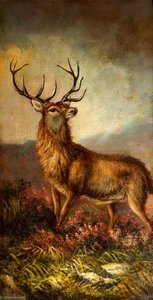
Stag
Giclée / Art Print
Reproduction Size
-


Total Price
$ 81
Artistic Significance
The Stag painting is a testament to Alfred Worthington's ability to convey the beauty and grandeur of nature. The use of vibrant and rich colors brings the scene to life, making it a captivating piece for art enthusiasts. As seen in other works by the artist, such as Two Stags, Worthington's attention to detail and mastery of color are evident in every brushstroke.Artist's Style and Influences
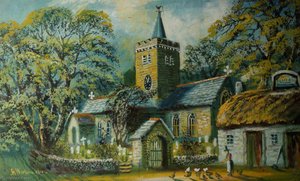
Alfred Worthington's style is characterized by his ability to capture the essence of rural life and wildlife. His use of oil on canvas allows for a depth and richness that draws the viewer into the scene. The Stag painting, along with other works such as Llanbadarn Church, demonstrates Worthington's skill in conveying the beauty of the natural world.- The painting is a prime example of wildlife art, showcasing the artist's ability to capture the majesty of animals in their natural habitat.
- The use of oil on canvas allows for a level of detail and depth that is unparalleled in other mediums.
- The Amgueddfa Ceredigion Museum provides a unique opportunity to view the painting in person, surrounded by other works of art and historical artifacts.
The Stag painting is a must-see for anyone interested in wildlife art, and Alfred Worthington's skill as an artist is undeniable. With its stunning colors and captivating scene, this painting is sure to leave a lasting impression on all who view it.
Questions & Answers
Where do the visitors of "Stag" by Alfred Worthington come from?
Statistics about "Stag" by Alfred Worthington are on the artwork's Stats page: monthly visits of the artwork, visits of the artist's works, and country and language breakdowns of recent visitors.
What level of contrast does "Stag" by Alfred Worthington show?
"Stag" by Alfred Worthington shows a bold contrast between its light and dark areas.
When was "Stag" made?
"Stag" dates from 1925. The date places the work within Alfred Worthington's career and its era.
Artist Biography
The Quiet Majesty of Alfred Worthington
Alfred Worthington, born in 1834, was a British landscape painter whose serene depictions of rural England and wildlife captivated audiences during the Victorian era. Though relatively unknown today compared to his contemporaries like Constable or Turner, Worthington’s meticulous observation and skillful brushwork cemented his place as a significant contributor to the artistic landscape of his time. His legacy resides in canvases that convey not just visual beauty but also a deep appreciation for the natural world—a sentiment profoundly felt by artists and viewers alike.
Worthington’s formative years were spent in Lincolnshire, where he received an education focused on classical studies alongside artistic pursuits. Recognizing his talent, he embarked on a formal apprenticeship with George Frederic Watts, a prominent sculptor and painter known for his Symbolist style—a movement that prioritized emotional expression over realistic representation. This influential mentorship instilled in Worthington a dedication to capturing the essence of subjects through symbolic imagery and nuanced tonal gradations, techniques that would characterize his entire oeuvre.
A Vision Rooted in the Natural World
Worthington’s artistic vision centered on portraying landscapes with remarkable accuracy and sensitivity. He meticulously studied geological formations, plant life, and animal behavior—skills honed during extensive expeditions to Wales and Cornwall. Unlike many of his peers who sought grand vistas or dramatic storms, Worthington favored quieter scenes: rolling hills dotted with sheep, tranquil estuaries teeming with birds, and intimate portraits of animals in their habitats. His canvases are imbued with a palpable stillness, inviting contemplation and fostering an awareness of the sublime beauty inherent in everyday existence.
The artist possessed a unique ability to blend the scientific precision of a naturalist with the poetic soul of a romanticist. Through his work, one can observe:
- Meticulous Detail: An unwavering focus on the textures of flora and the subtle anatomy of wildlife.
- Atmospheric Depth: The use of light and shadow to create a sense of breathing, living space within the English countryside.
- Symbolic Tranquility: A mastery of composition that directs the viewer toward moments of profound peace and pastoral harmony.
Legacy and Historical Significance
As the 19th century progressed, Worthington’s work served as a gentle counterpoint to the increasingly industrial landscape of Britain. While the world around him underwent rapid transformation, his paintings remained anchored in the timeless rhythms of nature. His ability to capture the spirit of place—seen in notable works such as 'Aberystwyth Castle'—ensured that his contribution to British landscape art was marked by a sense of enduring permanence.
Today, the works of Alfred Worthington continue to resonate with those who seek solace in the pastoral. His paintings are more than mere records of scenery; they are emotional journeys into a lost era of quietude. By elevating the humble elements of the countryside to the status of high art, Worthington left behind a profound testament to the beauty found in the small, the still, and the overlooked.

Alfred Worthington
1834 - 1927
Quick Facts
- Full Name: Alfred Worthington
- Nationality: British
- Date Of Birth: 1834
- Date Of Death: 1927
- Place Of Birth: England
- Notable Artworks:
- Aberystwyth Castle and Castle Point
- Stag
- Artistic Movement Or Style: Rural Landscape Painting
Related Articles
The Soul of Impressionism: Why Oil on Canvas Captures Eternal Light and Timeless Emotion
Discover the enchanting alchemy of Impressionism. Explore how the mastery of oil on canvas, through glazing and impasto, captures eternal light and emotion. Perfect for lovers of Monet and Van Gogh seeking the profound depth of hand-painted fine art.
Sir Alfred Munnings' Masterpieces: 25 Paintings That Define Equine Art | OriginalUniqueArt
Explore 25 iconic Sir Alfred Munnings paintings! Discover the beauty of British Impressionism, equine art & rural England. Find museum-quality reproductions and elevate your home decor with OriginalUniqueArt. Explore the full collection online.

The Enduring Legacy of Oil on Canvas: Technique, History & Aesthetic Impact
Explore the rich history & techniques of oil painting – from Renaissance masters to Impressionism. Discover pigments, layering methods, and why this timeless medium endures. Expert insights for artists & art enthusiasts.

The Enduring Legacy of Oil on Canvas: Technique, History & Contemporary Practice
Explore the rich history & enduring techniques of oil painting on canvas. Discover the science behind its longevity, conservation practices, and contemporary relevance. Expert insights for art enthusiasts.

Oil on Canvas: A Historical & Technical Exploration of a Timeless Artistic Medium
Explore the rich history & enduring techniques of oil painting on canvas. Discover the science behind its longevity, conservation practices, and contemporary relevance. Expert insights for art enthusiasts.