1of 62
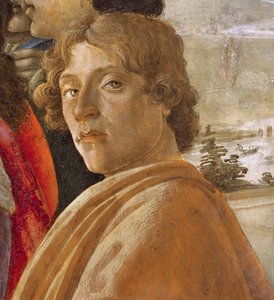
Сандро Боттічеллі 1445–1510
Італієць Born in Флоренція Ранній Ренесанс Wikipedia in 31/32 languages
Early Renaissance, one artist at a time
Сандро Боттічеллі (1445–1510) is the most famous Early Renaissance художник, whose singular vision gave us Народження Венери та Поклоніння волхвів (деталь). Next stand Мазаччо, П'Єро Делла Франческа, Фра Анджеліко та Андреа Мантенья. These 62 художники, from Уголіно Ді Неріо (born 1280) to Алунно Ді Доменіко (بارТоломео Ді Джованні) (born 1475), came from 5 countries.
Our selection. Artists whose works our catalogue attaches to Early Renaissance, in the order of our fame ranking. Artists born after 1955 with no Wikidata identifier stay out until verified. The Wikipedia figure counts our 32 languages with an article on the artist.
In brief
One artist at a time
1of 62
Італієць Born in Флоренція Ранній Ренесанс Wikipedia in 31/32 languages
2of 62
Італійський Born in Сан-Джованні-Вальдарно Ранній Ренесанс (Кватроченто) Wikipedia in 31/32 languages

3of 62
Італієць Born in Сансеполькро Ранній Ренесанс Wikipedia in 30/32 languages

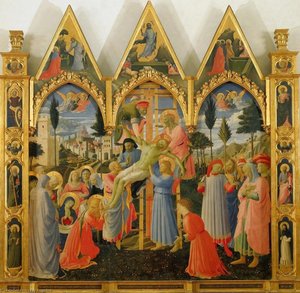
5of 62
Італієць Born in Картуру Ранній Ренесанс Wikipedia in 30/32 languages

6of 62
Італійський Born in Пратовеккьо Ранній Ренесанс Wikipedia in 31/32 languages
7of 62
Італійський Born in Флоренція Ранній Ренесанс Wikipedia in 31/32 languages

Ghirlandaio’s career blossomed during a period of immense artistic innovation in Florence, and he quickly established himself as a master of fresco painting – a technique demanding both technical skill and artistic vision. The Adoration of the Magi in the Uffizi Gallery further exemplifies his exceptional talent, showcasing a vibrant and detailed depiction brimming with symbolism and artistic flair. The pinnacle of Ghirlandaio's career arrived in 1481 when he was summoned to Rome by Pope Sixtus IV.
8of 62
Італійський Born in Флоренція Ранній Ренесанс Wikipedia in 30/32 languages
9of 62
Born in Мессіна

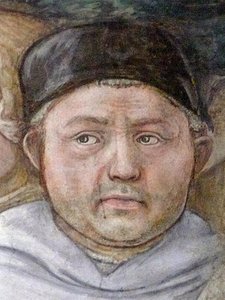
“Мадонна з немовлям” (бл. 1460), написана незабаром після цієї зустрічі, є прикладом цього зрушення, демонструючи більш гармонійну колірну схему та більшу елегантність, ніж його попередні роботи. Найзнаменитіші картини Антонелло – включаючи “Святого Єроніма в кабінеті” (бл. 1475) і “Благовіщення” (бл. 1475) – є свідченням його художньої майстерності.
11of 62
Італієць Born in Флоренція Ренесанс Wikipedia in 23/32 languages

12of 62
Італієць Born in Флоренція Міжнародна готика, Раннє Відродження Wikipedia in 25/32 languages

«Благовіщення» в Терні (1450). Фрески капели Магів (1459–1461).
13of 62
Італієць Born in Панікале Раннє Відродження Wikipedia in 23/32 languages

15of 62
Італійський Born in Феррара Ранній Ренесанс; Школа Ферра́ри Wikipedia in 24/32 languages

16of 62
Італієць Born in Венеція Раннє Відродження Wikipedia in 21/32 languages

17of 62
Італієць Born in Феррара Італійське Відродження Wikipedia in 17/32 languages

18of 62
Італієць Born in Сієна Пізня готика, Сієнська школа Wikipedia in 17/32 languages

The Ecstasy of St Francis: Глибоке дослідження духовного екстазу, де він використовує багату палітру синіх, червоних та жовтих кольорів для зображення трансформаційної сили віри. The Arte della Lana Altarpiece: Одна з його найперших достовірних робіт, що демонструє технічну витонченість, яка згодом стане його підписом.
19of 62
Італійський Born in Флоренція Ранній Ренесанс Wikipedia in 28/32 languages
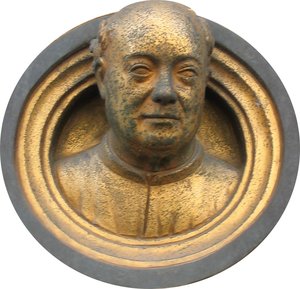
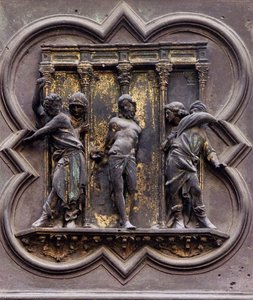
This commission was considered the most prestigious in the region, a testament to artistic merit and civic pride. Lorenzo Ghiberti, a young man brimming with ambition and talent, entered this arena alongside some of the era's most formidable minds, including Filippo Brunelleschi, a rival whose architectural genius would challenge Ghiberti’s own creative vision. Lorenzo di Bartolo – a name that would forever be intertwined with artistic innovation – was born near Florence, Italy, in 1378.
20of 62
Італієць Born in Венеція Пізня готика, Венеційська готика Wikipedia in 23/32 languages

He was a master of trompe l'oeil, using paint to mimic the physical world with startling accuracy. This combination of the highly decorative and the intensely realistic created a visual language that was uniquely his own, characterized by: A strong linear decorative sense. The works he left behind, many of which reside in collections such as the Pinacoteca di Brera and the National Gallery, reveal a painter of immense technical skill.
Signature works · The 100 signature works
21of 62
Італійський Born in Флоренція Четверте Століття італійського живопису (Кватроченто) Wikipedia in 24/32 languages

22of 62
Італійський Born in Сієна Пізня готична / Ранній ренесанс Wikipedia in 22/32 languages

This decision profoundly shaped his artistic identity, imbuing it with an introspective quality and directing him toward subjects of spiritual significance. The monastery’s scriptorium became his studio, where he diligently illuminated manuscripts—a practice that demanded precision, patience, and a mastery of color and texture—further refining his technical skills and deepening his understanding of visual symbolism. The International Gothic style itself—characterized by shimmering gold leaf, elongated figures draped in flowing garments, and an ethereal luminescence—provided Monaco with a framework for exploring themes of piety and transcendence.
23of 62
Італійський Born in Сан-Годенцо Ранній Ренесанс Wikipedia in 24/32 languages
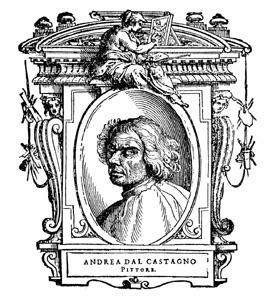
His frescoes in San Tarasio Chapel, Venice (1442), represent an early expression of this evolving style, while his work within St Mark’s Basilica (1442-1443), including the poignant “Death of the Virgin,” showcased a growing mastery of dramatic composition. Cosme Tura, Francesco del Cossa, and Ercole de’ Roberti all absorbed Castagno's innovations, carrying forward his legacy of naturalistic representation and psychological depth.
26of 62
Італієць Born in Флоренція Живопис епохи Відродження Wikipedia in 17/32 languages

27of 62
Італієць Born in Флоренція Флорентійська школа; стиль Фра Анджеліко Wikipedia in 13/32 languages

28of 62
Італієць (флорентієць) Born in Флоренція Ранній Ренесанс, Флорентійський Wikipedia in 15/32 languages

Pesellino’s artistic style is immediately recognizable, distinguished by its exceptional refinement and a deliberate avoidance of grand gestures. Vasari, in his Lives of the Most Excellent Painters, Painter, Sculptors, and Architects, famously noted Pesellino’s contribution to Lippi's altarpiece for Santa Croce. His style, characterized by its meticulous detail, subtle color harmonies, and intimate emotionality, anticipated the developments of later Florentine painters such as Verrocchio and the Pollaiuoli family.
29of 62
Італієць Born in Флоренція Раннє Відродження Wikipedia in 13/32 languages

30of 62
Італієць Born in Рим Ранній Відродження Wikipedia in 16/32 languages

31of 62
Іспанець Born in Кордова Іспано-фламандський стиль, Ранній Відродження Wikipedia in 14/32 languages

33of 62
Венеціанський Born in Мурано Венеційський Ренесанс Wikipedia in 17/32 languages

34of 62
Італійський Born in Монтероні-ді-Лече Ранній Ренесанс

Born in Monteroni di Lecce around 1374 and tragically passing away in Bologna in 1438, his life unfolded as a rich tapestry woven from commissions, artistic rivalries, and an unwavering fascination with both the enduring wisdom of classical antiquity and the rapidly evolving sensibilities of his time. Following his time in Lucca, Jacopo’s artistic journey led him eastward to Ferrara in 1403, where he was commissioned to sculpt the marble Virgin and Child for the city's cathedral.
38of 62
Італієць Born in Сієна Сієнська школа живопису Wikipedia in 13/32 languages

39of 62
Італієць Born in Сієна Ранній Ренесанс Wikipedia in 13/32 languages

41of 62
Італійський Born in Флоренція Флорентійська школа Wikipedia in 8/32 languages

43of 62
Італійський Born in San Gimignano Ранній Ренесанс

Sebastiano Mainardi (c.1460 – 1513), born in San Gimignano, Tuscany, stands as a pivotal figure within the Early Renaissance artistic landscape of Florence. Early Life & Training: Giorgio Vasari recounts that Mainardi was apprenticed to Domenico Ghirlandaio, arguably Florence’s most prominent painter during this period. Collaboration with Ghirlandaio: The Sassetti Chapel frescoes commissioned by Giovanni Battista Sassetti represent arguably Mainardi’s most celebrated achievement.
44of 62
Italian Born in Сієна Early Renaissance Wikipedia in 12/32 languages

Around 1468, Neroccio entered into a significant collaboration with Francesco di Giorgio Martini, an architect, painter, and engineer who would become a lifelong associate. While working alongside di Giorgio, Neroccio began to develop his own distinct style—one that subtly diverged from the prevailing trends. In 1483, he designed the Hellespontine Sybil for the mosaic pavement of Siena Cathedral—a testament to his skill as a designer and draftsman.
45of 62
Італієць Born in Сансеполькро Сієнська школа, Ренесанс Wikipedia in 11/32 languages

46of 62
Born in Дортмунд International Gothic

In the vibrant heart of Westphalia, during the turn of the 15th century, Konrad von Soest emerged as a transformative figure in Northern European painting. Whether depicting the tender grace of the Holy Family or the heavy grief of the Passion, von Soest’s hand is unmistakable, marked by an ability to marry the decorative splendor of the Gothic tradition with a deeply moving, humanistic touch.
47of 62
French Born in Uzès Early Renaissance; Flemish Style Wikipedia in 14/32 languages
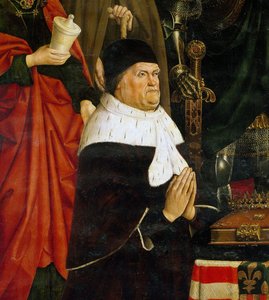
He achieved considerable renown for his monumental altarpiece commissioned in Aix-en-Provence for Catherine Spifami, depicting the Passion of Christ and incorporating scenes from Mary Magdalene's life—a testament to the prevailing devotional fervor of the time. He stands as a pivotal conduit for disseminating Flemish artistic innovations, propelling the Second School of Avignon toward a more expressive and realistic aesthetic.
48of 62
Італієць Born in Флоренція Раннє Відродження Wikipedia in 9/32 languages

50of 62
Italian Born in Сан-Джованні-Вальдарно Early Renaissance Wikipedia in 8/32 languages

While his brother Masaccio is celebrated as the pioneer of groundbreaking realism, Giovanni di Ser Giovanni —affectionately known to history as Lo Scheggia, or "the splinter"—carved out a legacy defined by a different, more delicate kind of mastery.
52of 62
Італійське Відродження Born in Флоренція Раннє Відродження Wikipedia in 6/32 languages
54of 62
Італієць Born in Сієна Раннє Відродження Wikipedia in 8/32 languages

55of 62
Italian Born in Perugia Umbrian Renaissance Wikipedia in 9/32 languages

In the heart of the Umbrian Renaissance, a period defined by spiritual luminosity and the dawn of humanistic perspective, the name Benedetto Bonfigli emerges as a vital architect of visual devotion.
56of 62
Born in Мурано Early Renaissance-late Gothic

Working primarily within the Republic of Venice, Vivarini occupied a unique historical space, bridging the transition between the ornate elegance of the late Gothic period and the burgeoning humanism of the early Renaissance.
57of 62
Italian Born in Florence Early Renaissance

Nanni di Banco’s most celebrated achievement is undoubtedly the Quattro Santi Coronati (Four Crowned Martyrs), commissioned between 1412 and 1415 for the Orsanmichele church in Florence.
58of 62
Italian Early Renaissance

Reflecting on his body of work, several key elements define his artistic identity: Stylistic Versatility: The ability to merge the structural rigor of Florentine sculpture with the lyrical beauty of the International Gothic. Though his life ended in 1451, leaving behind a fragmented biographical record, the echoes of "il Rosso" remain etched in the very fabric of Italian art history. Cultural Diffusion: Acting as a bridge between the artistic epicenters of Florence and the burgeoning markets of Venice and Northern Italy.
59of 62
Italian Born in Siena Renaissance art Wikipedia in 6/32 languages

His early works, such as the celebrated “ Adoration of the Shepherds ” with Saint Augustine and Saint Galgano (circa 1430-1435), demonstrate a masterful command of composition and a burgeoning interest in depicting human emotion. D’ Ambrogio’s artistic development was undoubtedly shaped by the prevailing trends of the early Renaissance, particularly those emanating from Florence.
60of 62
Італієць Born in Флоренція Мистецтво Ренесансу Wikipedia in 5/32 languages

61of 62
Italian Late Gothic Wikipedia in 8/32 languages

While definitively named only recently thanks to meticulous research by Maria Falcone, this artist—now recognized as Sano di Pietro —left behind a remarkable cycle of eight panels depicting scenes from the life of Saint Anthony Abbot, works that continue to captivate viewers with their haunting beauty and psychological depth. Despite his anonymity for centuries, the Master of the Osservanza's work has exerted a significant influence on subsequent generations of Italian painters.
62of 62
Italian Proto-Renaissance Wikipedia in 4/32 languages

A key feature of his work is the variation in the presentation of the infant Jesus within Mary’s arms – a subtle but significant departure from the static poses often found in earlier depictions. Artists like Giotto, Masaccio, and Donatello were challenging established conventions and experimenting with new techniques – paving the way for the High Renaissance.
Signature works
A timeline
Figures
| Італія | 53 |
|---|---|
| Italy | 4 |
| Іспанія | 1 |
| Німеччина | 1 |
| France | 1 |
| 13th століття | 1 |
|---|---|
| 14th століття | 16 |
| 15th століття | 43 |
| Національна галерея | 12 |
|---|---|
| Метрополітен-музей | 12 |
| Галерея Уффіці | 5 |
| Національна галерея мистецтв | 5 |
| Gemäldegalerie | 5 |
| Державні музеї Берліна | 4 |
| Gallerie dell'Accademia di Venezia | 4 |
| Fine Arts Museums of San Francisco | 4 |
Every name
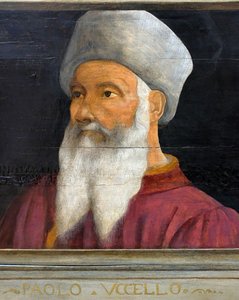
Сандро БоттічелліІталієць · 1445–1510МазаччоІталійський · 1401–1428П'Єро Делла ФранческаІталієць · 1415–1492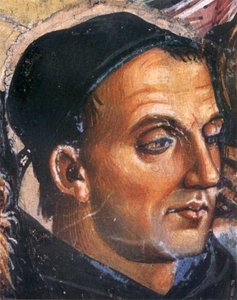 Фра АнджелікоІталієць · 1395–1455Андреа МантеньяІталієць · 1431–1506Паоло УчеллоІталійський · 1397–1475Доменіко ҐірляндайоІталійський · 1448–1494Філіппо ЛіппіІталійський · 1406–1469Антонелло Да Мессіна1430–1479
 ДонателлоІталієць · 1386–1466Антоніо ПоллайолоІталієць · 1429–1498Беноццо ҐоццоліІталієць · 1420–1497Мазоліно Да ПанікалеІталієць · 1383–1447
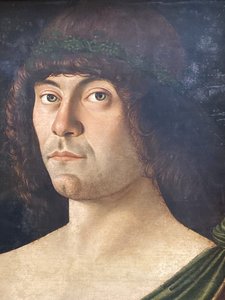 Якопо БеллініІталієць · 1400–1470Козімо ТураІталійський · 1430–1495Доменіко ВенеціаноІталієць · 1410–1461Франческо дель КоссаІталієць · 1436–1477СассеттаІталієць · 1392–1450Лоренцо ДжибертіІталійський · 1378–1455Карло КрівелліІталієць · 1435–1495Козімо РосселліІталійський · 1439–1507Лоренцо МонакоІталійський · 1370–1425Андреа дель КастаньйоІталійський · 1420–1457
 Філіппо БрунеллессіІталійський · 1377–1446
 Ерколе Де Роберті1450–1496П'Єро Дель ПольяйолоІталієць · 1443–1496Доменіко Ді МікеліноІталієць · 1417–1491Франческо ПезелліноІталієць (флорентієць) · 1422–1457Франческо БоттічініІталієць · 1446–1498Антоніаццо РоманоІталієць · 1430–1508Бартоломе БермехоІспанець · 1440–1500
 Бенедетто Да Майано1446–1497Антоніо ВіварініВенеціанський · народився 1416Якопо Делла Кв'ЕрчіаІталійський · 1374–1438
 Бікчі Ді Нері1418–1492
 Бернардо РосселлиноІталійський · 1409–1464
 Лоренцо Венеціано1336–1379Уголіно Ді НеріоІталієць · 1280–1330Тадео Ді БартолоІталієць · 1362–1422
 Алунно Ді Доменіко (بارТоломео Ді Джованні)Італієць · 1475–1503Біччі Ді ЛоренцоІталійський · 1350–1427
 Альвізе Віваріні (Луїджі Віваріні)Італієць · 1446–1502Себастьяно МайнардиІталійський · 1460–1513Нероччо де ЛандіItalian · 1447–1500Маттео Ді ДжованніІталієць · 1435–1495Конрад Фон Зоест1370–1422Nicolas FromentFrench · 1430–1484Якопо дель СеллайоІталієць · 1442–1493
 Фра КарнавалеItalian · 1420–1484Ло СкедджіяItalian · 1406–1486
 Сано Ді П'ЄтроІталієць · 1405–1481Занобі СтроцціІталійське Відродження · 1412–1468
 Лаццаро БастьяніІталійський · 1429–1512Андреа Ді Ванні Д'АндреаІталієць · 1332–1414Benedetto BonfigliItalian · 1420–1496Антоніо Віваріні1440–1480Nanni D Antonio Di BancoItalian · 1380–1421Nanni Di BartoloItalian · 1419–1451Pietro Di Giovanni D'AmbrogioItalian · 1410–1449Бартоломео Ді ФруозіноІталієць · 1366–1441Master Of The OsservanzaItalian · Master of the Nativity of CastelloItalian ·
Questions
First place goes to Сандро Боттічеллі (#1); Мазаччо (#2) and П'Єро Делла Франческа (#3) complete the podium.
Сандро Боттічеллі (#1), Мазаччо (#2), П'Єро Делла Франческа (#3), Фра Анджеліко (#4) та Андреа Мантенья (#5).
The earliest-born художник in this list is Уголіно Ді Неріо (#38), born in 1280.
Флоренція: 20 of the художники in this list were born there.
Most художники in this list were born in the 15th століття (43 of 62), between 1280 and 1475 overall.
The museums holding the most key works of this list are Національна галерея (12), Метрополітен-музей (12) та Галерея Уффіці (5).
Італія: 53 of the 62 художники in this list were born there, then Italy (4) та Іспанія (1).
The highest-ranked художники born in Італія are Сандро Боттічеллі (#1), Мазаччо (#2), П'Єро Делла Франческа (#3), Фра Анджеліко (#4) та Андреа Мантенья (#5).
“Ghirlandaio’s career blossomed during a period of immense artistic innovation in Florence, and he quickly established himself as a master of fresco painting – a technique demanding both technical skill and artistic vision.” — from our biography of Доменіко Ґірляндайо (#7).
The highest-ranked living художники in this list are Антоніо Віваріні (#33).
Our catalogue holds 5,105 works by these художники.
Read
Other movements
 Знамениті художники BaroqueНічна варта · Рембрандт
 Знамениті художники Contemporary RealistЗбирачки · Жан-Франсуа Мілле
 Знамениті художники ImpressionistЗорі Ніч (Нью Йорк, MoMA) · Вінсент Ван Гог
 Знамениті художники RomanticistСатурн, що пожирає свого сина · Франсіско-Хосе де Гоя
 Знамениті художники NeoclassicistСмерть Марата · Жак-Луї Давід
 Знамениті художники RealistПоходження світу · Гюстав Курбе
 Знамениті художники Dutch Golden AgeДівчина з перловою сережкою · Ян Вермер
 Знамениті художники RenaissanceМона Ліза (Джоконда) · Леонардо Да Вінчі
 Знамениті художники ExpressionistКомпозиция VII · Кандінський Василь Васильович
 Знамениті художники RococoВідплив до Кітер · Антуан Ватто
Other periods
 Знамениті художники Early MedievalSnowy River · Ван Вей
 Знамениті художники High MedievalМадонна в Маєста (Огнассантська Мадонна) · Джотто
 Знамениті художники Late MedievalБлаговіщення та двоє святих · Сімоне Мартіні
 Знамениті художники RenaissanceСтворення Адама · Мікеланджело Буонарроті
 Знамениті художники Early ModernПокликання святого Матвія · Мікеланджело да Караваджо
 Знамениті художники 19th CenturyВодяні лілії (або Латаття) · Клод Моне
 Знамениті художники ModernГерніка · Пабло Пікассо
 Знамениті художники ContemporaryWind Sculpture III (one in a series of nine) · Yinka Shonibare
Discover more