Rococo, one artist at a time
100 Famous Rococo Художники Who Shaped the Movement
Антуан Ватто (1684–1721) is the most famous Rococo художник, whose singular vision gave us Відплив до Кітер та Pierrot, formerly known as Gilles. Next stand Каналетто, Джованні Баттіста Тьєполо, Франсуа Буше та Жан-Оноре Фраґонар. These 100 художники, from Франсуа де Труа (born 1645) to Едуар Оноре Аве (born 1818), came from 18 countries.
Our selection. Artists whose works our catalogue attaches to Rococo, in the order of our fame ranking. Artists born after 1955 with no Wikidata identifier stay out until verified. The Wikipedia figure counts our 32 languages with an article on the artist.


In brief
Rococo in brief
- 100Художники
- 1645–1818Роки народження
- 18Країни народження
- 5Жінки
- 1Сучасні художники
- 11 037Роботи в нашому каталозі
- Міста з найбільшою кількістю новонароджених
- Париж (15), Венеція (9), Venice (4), Валансьєнн (2)
- Музеї, у яких зберігається найбільше ключових творів
- Державний музей-заповідник «Ермітаж» (14), Лувр (12), Національний музей Швеції (8), Музей Прадо (7)
- Жінки у цьому списку
- Розальба Кар'Єра, Adélaïde Labille-Guiard, Анна Валайе-Костер, Elisabeth-Louise Vigée-Lebrun, Anna Dorothea Therbusch
One artist at a time
100 Rococo Художники and their signature works


2of 100
Каналетто 1697–1768
Італієць Born in Венеція Ведути, топографічний стиль Wikipedia in 30/32 languages
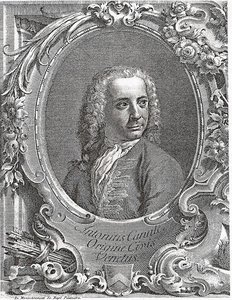
After returning to Venice, Canaletto began to settle into a signature topographical style. He also recorded the movement of the water and the crowds during public events, such as the Regatta on the Grand Canal. Across the Atlantic, the National Gallery of Art in Washington holds his 1742 work, View of the Church and the Doge's Palace from the Procuratie Vecchie.
Where to see His presence remains felt in the collections of major institutions across Europe and beyond.


3of 100
Джованні Баттіста Тьєполо 1696–1770
Італієць Born in Венеція Рококо та бароко Wikipedia in 30/32 languages

«Таємна вечеря», написана у 1745 році, зберігається в Луврі в Парижі. Його пізні роки ознаменувалися створенням «Непорочного зачаття», написаного між 1767 та 1769 роками. Здатність Джованні Баттісти Тьєполо передавати людську драму та історичні сюжети очевидна в його численних замовленнях.


6of 100
Жан-Батист Сімеон Шарден 1699–1779
Француз Born in Париж Натуралізм Wikipedia in 27/32 languages


7of 100
Томас Гейнсборо 1727–1788
Британська Born in Садбері Рококо, романтизм Wikipedia in 29/32 languages


8of 100
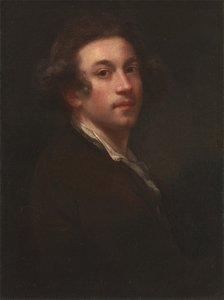
Джошуа Рейнольдс 1723–1792
Британська Born in Плімптон Великий стиль Wikipedia in 31/32 languages


9of 100
Жан Батіст Грьоз 1725–1805
Француз Born in Турню Рококо, Жанр живопис Wikipedia in 22/32 languages

He died in poverty within the Louvre itself in 1805, a poignant end for an artist who had once commanded such admiration.


10of 100
Бернардо Беллотто 1722–1780
Італієць Born in Венеція Ведута, міський пейзаж, гравір Wikipedia in 27/32 languages


11of 100
Франческо Гварді 1712–1793
Італійський Born in Венеція *Vedute*, *Pittura di tocco* Wikipedia in 27/32 languages

Francesco Lazzaro Guardi, народжений у родині, що глибоко вкорінена в мистецькій традиції, народився 5 жовтня 1712 року. Його життя відображало занепад величі Венеції – міста, колись пульсуючого центру торгівлі та культури, повільно поступаючись місцем політичній депресії та економічним трудностям.


12of 100
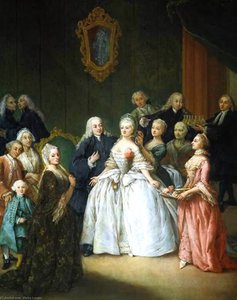
П'єтро Лонгі 1701–1785
Італійський Born in Венеція Венеціанське живописство, Рококо Wikipedia in 18/32 languages

Longhi’s technique was as distinctive as his subject matter. He even served as Director of the Academy of Drawing and Carving from 1763, furthering Venetian artistic tradition. He remains a vital figure in the history of Venetian art, celebrated for his unique blend of observation, wit, and technical skill – a true chronicler of 18th-century life. ## Notable Works The Tailor (Gallerie dell'Accademia, Venice).


13of 100
Джованні Доменіко Тіеполо 1727–1804
Італієць Born in Венеція Рококо Wikipedia in 18/32 languages


14of 100
Джованні Баттіста П'яцетта 1683–1754
Італієць Born in Венеція Рококо Wikipedia in 16/32 languages


16of 100
Клод Верне 1714–1789
Француз Born in Авіньйон Пейзаж, Морський пейзаж Wikipedia in 26/32 languages

Signature works · The 100 signature works


19of 100
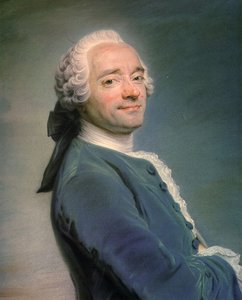
Моріс Кантен де Латур 1704–1788
Французський Born in Сен-Кантен Рококо Wikipedia in 23/32 languages


21of 100
Йоганн Цоффані 1733–1810
Німецький Born in Франкфурт-на-Майні Неокласицизм, Реалізм Wikipedia in 15/32 languages


22of 100
Луї-Мішель Ван Лоо 1707–1771
Француз Born in Тулон Рококо Wikipedia in 17/32 languages

Pupil of Jean-Baptiste van Loo #53


26of 100
Жан-Батьйо Дебрэт 1695–1736
Француз Born in Валансьєнн Рококо, Пастельна палітра Wikipedia in 13/32 languages
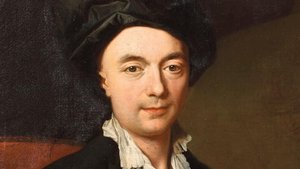
Наслідування Патера в історії французького рококового мистецтва непереконливе. Він є ключовою фігурою у передачі духу свого часу, втілюючи стилістичні інновації Ватто, водночас формуючи власний винятковий художній голос. Його майстерна техніка та емоційно насичені композиції продовжують надихати шанувальників мистецтва та дослідників, що є свідченням його стійкої спадщини як одного з найвидатніших художників Франції XVIII століття.


27of 100
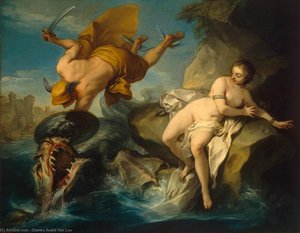
Шарль-Андре ван Лоо 1705–1765
Франція Born in Ніцца Рококо живопис Wikipedia in 16/32 languages
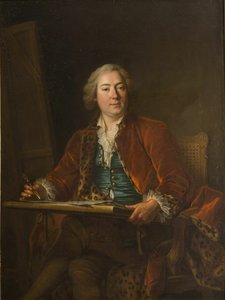
Pupil of Jean-Baptiste van Loo #53


28of 100
Франческо Цуккареллі 1702–1788
Італієць Born in Пітільяно Рококо, Бароко Wikipedia in 15/32 languages


29of 100
Якопо Амігоні 1682–1752
Італієць Born in Неаполь Пізнє бароко та рококо Wikipedia in 21/32 languages


31of 100
Франц Антоні Маульбертш 1724–1796
Німецько-австрійський Born in Лангенарген Рококо, Бароко Wikipedia in 16/32 languages


32of 100
Шарль-Антуан Койпель 1694–1752
Француз Born in Париж Бароко, Рококо Wikipedia in 11/32 languages


33of 100
Adélaïde Labille-Guiard 1749–1803
French Born in Paris Rococo to Neoclassicism Wikipedia in 20/32 languages

Adélaïde Labille-Guiard (1749–1803) stands as a remarkable figure in the history of French art, not merely for her exquisite portraits but also for her courageous challenge to the restrictive conventions that governed women’s roles within the artistic world. She defied societal expectations, navigated institutional barriers, and ultimately paved the way for future generations of female painters.


34of 100
Левицький Дмитро Григорович 1735–1822
Українсько-російська Born in Київ Класичний портрет Wikipedia in 16/32 languages


36of 100
Анна Валайе-Костер 1744–1818
Французька Born in Париж Рококо, Живопис натюрмортів Wikipedia in 14/32 languages


37of 100
Лагреній (старший) 1756–1827
Француз Born in Париж Рококо, Неокласицизм

His brushwork was smooth and refined, creating a luminous quality in his paintings that captivated viewers. His portraits were particularly admired for their psychological insight and subtle expressions. His meticulous documentation of ancient sites, particularly Voyage pittoresque et historique de l'Istrie et de la Dalmatie, contributed significantly to the burgeoning field of archaeological illustration.


38of 100
Джованні Баттиста Піттоні 1687–1767
Born in Венеція Late Baroque, Rococo Wikipedia in 19/32 languages

Classical Mythology: His depictions of tales such as The Continence of Scipio and Bacchus and Ariadne highlight his skill in rendering the grandeur and drama of ancient legends with a distinctly Venetian flair.
Pupil of Antonio Balestra #69


39of 100
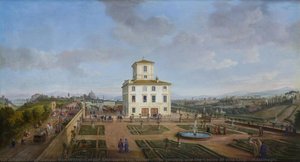
Каспар ван Віттель 1653–1736
Нідерландський Born in Амерсфорт Живопис ведута Wikipedia in 14/32 languages




45of 100
Elisabeth-Louise Vigée-Lebrun

The French Revolution brought upheaval to Vigée Le Brun’s world. In 1792, fearing for her safety, she fled Paris with her daughter, embarking on an exile that would last over a decade. Vigée Le Brun returned to France after the fall of Napoleon in 1804.


46of 100
Коррадо Джаквінто 1703–1766
Італійський Born in Мольфетта Рококо Wikipedia in 11/32 languages


48of 100
Крістіан Вільгельм Ернст Дітріх 1712–1774
Німець Born in Веймар Імітація голландських та італійських майстрів Wikipedia in 11/32 languages


49of 100
Charles Amédée Philippe Van Loo 1719–1795
French Born in Rivoli Rococo, Portraiture Wikipedia in 13/32 languages

Vanloo's artistic style was deeply rooted in the traditions of the Baroque and Roman art academies, but he also drew inspiration from the work of contemporary artists such as Nicolas Lancret and Jean-Honoré Fragonard. His compositions are often dynamic and asymmetrical, creating a sense of movement and energy.
Pupil of Jean-Baptiste van Loo #53


50of 100
Густав Лундберг 1695–1786
Швед Born in Стокгольм Пастеліст рококо Wikipedia in 14/32 languages


51of 100
Луї-Жан-Франсуа Лагрене 1725–1805
English Born in Париж Romanticism, Animal Painting Wikipedia in 15/32 languages

«Пейзаж із Салмакідою та Гермафродитом», вишуканий приклад його майстерності в олійному живописі, що зараз зберігається в Мурахіузі (Гаага, Нідерланди);.


52of 100
Якоб Де Віт 1695–1754
Нідерландська Born in Амстердам Живопис рококо Wikipedia in 10/32 languages


53of 100
Jean-Baptiste van Loo 1684–1745
French Born in Aix-en-Provence Baroque, Rococo Wikipedia in 15/32 languages

His father, Louis-Abraham van Loo, himself the son of Jacob van Loo, instilled in him not only technical skill but also an appreciation for the power and prestige associated with portraiture.


54of 100
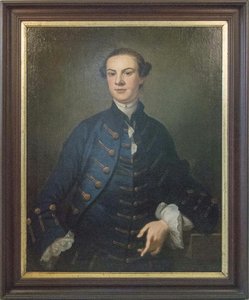
John Wollaston 1742–1775
English Rococo Painting

His work bears an unmistakable resemblance to the portraits of Thomas Hudson and Allan Ramsay, capturing not just the likeness of his subjects but the very essence of their social standing. His journey across the Atlantic in 1749 marked a transformative chapter for both the artist and the colonies. While later giants like Benjamin West and Gilbert Stuart would command the spotlight of American portraiture, Wollaston’s true contribution lies in his role as a pioneer, introducing the delicate elegance and shimmering sophistication of the Rococo style to North America.


56of 100
Anna Dorothea Therbusch 1721–1782
German Born in Berlin Rococo Wikipedia in 13/32 languages

Anna Dorothea Therbusch (1721-1782) stands as a remarkable figure in the annals of Rococo art history —a woman artist who defied societal expectations and achieved considerable renown during the Enlightenment. Born into a family steeped in artistic tradition, her father, Georg Lisiewski, was himself a celebrated Berlin portrait painter, establishing a lineage dedicated to visual representation. Therbusch's artistic journey took an extraordinary turn when she relocated to Paris in 1765, seeking opportunities for advancement within the vibrant artistic landscape of the French capital.


57of 100
Йоганн Георг Плацер 1704–1761
Австрієць Born in Апп'яно-сулла-Страда-дель-Віно Рококо Wikipedia in 8/32 languages


59of 100
Michele Marieschi 1710–1743
Italian Born in Venice Vedute Venice Wikipedia in 9/32 languages

In the golden age of the Venetian Rococo, few artists captured the ephemeral magic of the Serenissima with as much vitality as Michele Giovanni Marieschi. Scholars often point to the influence of masters such as Gaspare Diziani and the legendary Canaletto, whose works provided a blueprint for capturing the grandeur of urban environments.


60of 100
Antonio Corradini 1668–1752
Italian Born in Este Rococo

Corradini’s artistic significance lies not only in his technical virtuosity but also in his role as a transitional figure between the Baroque and Rococo movements. He built upon the dramatic energy of the former while embracing the lightness, elegance, and playful sensuality of the latter. After leaving Vienna, Corradini spent his final years in Rome and Naples, continuing to refine his art until his death in 1752.


61of 100
Майзенська Порцелянова Мануфактура народився 1710
Німецька Born in Майсен Твердопаливний порцеляновий виріб

«Алегоричні постаті чеснот» — демонструє здатність фабрики втілювати складні концепції у скульптурній формі, виявляючи ретельну деталізацію та витончене художнє бачення. «Леопард, що лежить» — представляє майстерне поєднання реалізму та елегантності, відображаючи відданість Мейсена зображенню тварин із вражаючою точністю та грацією.


62of 100
Gerard van Spaendonck 1746–1822
Born in Tilburg Wikipedia in 12/32 languages

He contributed over fifty works to Les Vélins du Roi, a renowned collection of botanical watercolors commissioned by the French royal family. These pieces demonstrate his exceptional skill in capturing the nuances of floral forms. 1788: Appointed as an advisor to the Académie. 1795: Became a founding member of the Institut de France. 1804: Received the Légion d'honneur and was ennobled by Napoleon Bonaparte, acknowledging his contributions to French art and culture.


63of 100
Джозеф Хаймор 1692–1780
Британський Born in Лондон Рококо Wikipedia in 10/32 languages
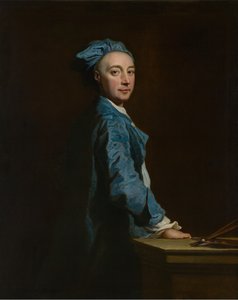
He passed away in 1780, aged eighty-seven, and was buried with dignity in Canterbury Cathedral—a final affirmation of his commitment to upholding moral values and celebrating the beauty of human experience.


68of 100
Донато Креті 1671–1749
італієць Born in Кремона Рококо, неокласицизм Wikipedia in 8/32 languages


69of 100
Antonio Balestra 1666–1740
Born in Verona Wikipedia in 11/32 languages

By 1690, Balestra moved to Venice, where he further honed his skills under the guidance of Antonio Bellucci for three years. Venetian Influence: His time in Venice instilled a sense of color and dramatic composition. He then traveled to Bologna and subsequently Rome, working in the workshop of the renowned Carlo Maratta.


71of 100
Georg Desmarées 1697–1776
Swedish-German Born in Stockholm City Rococo, Portraiture Wikipedia in 9/32 languages

His early works, heavily influenced by his uncle Meytens and the French masters, exhibited a meticulous attention to detail and a restrained elegance. However, the Venetian influence introduced a new dynamism – a play of light and shadow that imbued his portraits with greater emotional depth and visual intrigue. Other notable works include portraits of members of the Elector’s family, such as The Countess Holstein (Lenbachhaus, Munich) and The Princess Portia (Staatsgalerie, Stuttgart).


72of 100
Жан-Батист Пільмен 1728–1808
Француз Born in Ліон Рококо та неокласицизм Wikipedia in 8/32 languages


73of 100
Корнеліс Трост 1696–1750
Нідерландська Born in Амстердам Жанрові сцени рококо Wikipedia in 8/32 languages


74of 100
Jacques De Lajoue 1686–1761
French Born in Paris Neoclassical Painting Wikipedia in 8/32 languages

In pieces such as " Fantaisie architecturale," the viewer is invited to wander through spaces where neoclassical elegance meets the untamed beauty of nature. While his name may not resonate with the same immediate thunder as contemporaries like Boucher or Watteau, Lajoue occupied a unique niche in the French canon, serving as an artist who could bridge the gap between the rigid grandeur of classical structure and the delicate, emotive spirit of the Rococo.


75of 100
Річард Косвей 1742–1821
Британський Born in Тівертон Портрети мініатюр Регентської епохи Wikipedia in 10/32 languages


77of 100
Per Krafft the Elder 1724–1793
Swedish Born in Arboga Rococo Wikipedia in 7/32 languages

Beyond his individual achievements, Per the Elder Krafft’s historical significance is cemented by the artistic legacy he left within his own family. Ultimately, the work of Per the Elder Krafft remains a vital touchstone for understanding the cultural heartbeat of eighteenth-century Sweden. His children, Per Krafft the Younger and the miniaturist Wilhelmina Krafft, both studied at the Royal Swedish Academy of Fine Arts, carrying forward the technical excellence and emotive depth instilled by their father.


78of 100
Johann Georg Pinzel 1715–1761
Ukrainian, Czech Born in Buchach Baroque, Rococo

His close collaboration with architect Bernard Meretyn proved pivotal. This synergy is particularly evident in projects like the Buchach Town Hall (1750s) and the Trinitarian Church (1756-1757), where architecture and sculpture coalesce into a unified expression of Baroque grandeur. Despite his prolific output, Pinsel’s life ended relatively early, between September 16, 1761, and October 24, 1762, likely in Buchach.


79of 100
Alessandro Longhi 1733–1813
Born in Venice Wikipedia in 10/32 languages

Unlike some contemporaries who focused on grand historical or mythological scenes, Longhi concentrated on portraying individuals within their social context. His portraits often feature elaborate robes and emblems of office, reflecting his subjects’ positions and power – a characteristic noted in comparison to artists like Sebastiano Bombelli. This is evident in the “tumultuous and unusual” quality of his etchings, as described by Olimpia Theodoli, showcasing a first-hand knowledge of Rembrandt's techniques.


80of 100
Giuseppe Bonito 1707–1789
Italian Born in Castellammare di Stabia Rococo Wikipedia in 11/32 languages

His journey was shaped by the prestigious studio of Francesco Solimena, the titan of Neapolitan painting, whose influence provided Bonito with a rigorous foundation in composition and light. While he possessed the technical mastery required for grand religious commissions—such as his ambitious altarpieces for the Caserta Royal Palace—he found his true voice in the genre scene. The historical significance of Giuseppe Bonito lies in his role as a chronicler of the Neapolitan spirit.


82of 100
Луї Де Сільвестр 1675–1760
Француз Born in Се, Франція Бароко, Рококо Wikipedia in 7/32 languages


83of 100
Luis Paret Y Alcázar 1746–1799
Spanish Born in Madrid Rococo Wikipedia in 8/32 languages

In the vibrant, sun-drenched tapestry of 18th-century Spain, few artists captured the delicate interplay of light and social elegance as masterfully as Luis Paret y Alcázar. Under the tutelage of Antonio González Velázquez, he absorbed the rigorous techniques of the Spanish tradition, yet his spirit yearned for something more cosmopolitan. His influence traveled across oceans, notably shaping the trajectory of Puerto Rican art through his pupil, José Campeche.


85of 100
Giuseppe Nogari 1699–1766
Italian Born in Venice Rococo Wikipedia in 8/32 languages

His talent attracted the attention of powerful international patrons, most notably the German nobility residing in Venice, such as Sigismund Streit and Johann Matthias von der Schulenburg.


Signature works · The 100 signature works


87of 100
Натаніель Хон Старший 1718–1784
Ірландець Born in Дублін Барбізонські пейзажі та рококо в портреті Wikipedia in 4/32 languages

«Шановна місіс Керзон» (1778): Ця мініатюра демонструє винятковий талант Натаніеля Хона Старшого у передачі тонкощів міміки та постави — характерної ознаки портретного жанру рококо. Пастельна палітра створює атмосферу вишуканої грації, що відображає соціальні норми тієї епохи.


88of 100
Jean Raoux 1677–1734
French Born in Montpellier Symbolist Art Wikipedia in 7/32 languages

While not achieving the widespread renown of contemporaries like Watteau or Boucher, Raoux carved a unique niche for himself with his subtly evocative portraits and scenes imbued with a delicate, almost melancholic charm. Raoux’s works were widely disseminated through engravings by prominent artists such as Poilly, Moyreau, and Dupuis, ensuring that his style reached a broader audience.


90of 100
Francesco Zugno 1708–1787
Italian Born in Venice Rococo Wikipedia in 6/32 languages

Within the luminous and often overwhelming splendor of eighteenth-century Venice, the name Francesco Zugno emerges as a vital, if somewhat enigmatic, thread in the tapestry of the Rococo era. His early years were shaped by the prestigious traditions of his ancestors, including the fifteenth-century painter Giambattista Zugno, and he received formal training at the Academy of Painting and Sculpture of Venice.


91of 100
Joseph Boze 1745–1826
French Born in Martigues Portraiture Wikipedia in 7/32 languages

Notably, he survived the Reign of Terror thanks to his unwavering loyalty and diplomatic connections, demonstrating an astute awareness of political realities. The Palace of Versailles became his canvas for many years, where he created stunning depictions of royal families and dignitaries. Despite the upheavals of his time, Joseph Boze persevered, continuing to produce portraits until his death in Paris in 1826.


92of 100
Louis Joseph Watteau 1731–1798
French Born in Valenciennes Fêtes galantes Wikipedia in 6/32 languages

Watteau’s formative years were marked by a privileged upbringing within the aristocratic circles of Lille, Belgium. His father, Jean Watteau, was a silk merchant and instilled in François a keen appreciation for craftsmanship and visual aesthetics. Watteau’s aesthetic ideals—characterized by elegance, grace, and a preoccupation with sensual pleasure—became synonymous with the aristocratic culture of the Enlightenment.


93of 100
Jacobus Buys 1724–1801
Dutch Born in Amsterdam Rococo Wikipedia in 5/32 languages

His studies under Pronk and de Wit undoubtedly shaped his understanding of color theory and composition, while Troost likely instilled in him a deeper appreciation for portraiture techniques. Buys’s ability to seamlessly blend these influences—the Dutch tradition of realism with the French Rococo's emphasis on elegance and ornamentation—is what sets him apart. The influence of earlier Dutch masters is subtly present in Buys's work, particularly in his meticulous attention to detail and the use of light and shadow reminiscent of the Golden Age painters.


94of 100
Єрмайло Теус 1716–1774
Швейцарський Born in Кур Рококо Wikipedia in 5/32 languages

Jeremiah Theus, born April 5, 1716, in Chur, Switzerland—the eldest child of Simeon and Anna Walser Theüs—stands as a pivotal figure in the artistic landscape of colonial America. His family’s Huguenot faith propelled them to emigrate to South Carolina in 1735, joining a wave of Protestant refugees seeking refuge from persecution.


95of 100
Vigilius Eriksen 1722–1782
Danish Born in Copenhagen Rococo Wikipedia in 7/32 languages

These small-scale works, which included depictions of Frederick V and Catherine the Great, showcased a different facet of his virtuosity, requiring an even more intense focus on minute detail and color gradation.


96of 100
Georg David Matthieu 1737–1778
German Born in Berlin Rococo Wikipedia in 6/32 languages

Matthieu utilizes specific elements to communicate status: The inclusion of books and maps to suggest intellectual pursuit and territorial dominion. His friendship with Jakob Philipp Hackert likely brings broader European influences into his practice, particularly through shared study trips to Italy.


97of 100
Robert Tournières 1667–1752
Born in Ifs Wikipedia in 6/32 languages

He skillfully blended elements of Dutch intimacy – particularly evident in his genre scenes – with the emerging lightness and elegance that would come to define the Rococo style. His palette was noted for its delicate coloring, and he demonstrated a keen talent for capturing both pose and drapery. Tournières was deeply influenced by Dutch masters such as Godfried Schalken and Gerard Dou, dedicating considerable study to their techniques.


98of 100
Jose Del Castillo 1737–1793
Spanish Born in Madrid Neoclassical Wikipedia in 7/32 languages

Religious Works: Occasional but powerful devotional pieces, such as his depiction of Saint Dominic and Saint Francis, which demonstrated his ability to handle spiritual gravity.


99of 100
Агостіно Бруньяс 1730–1796
Італієць Born in Рим Vérité ethnographique Wikipedia in 2/32 languages


100of 100
Domenico Duprà 1689–1770
Italian Born in Turin Rococo Wikipedia in 6/32 languages

To reflect upon the breadth of his contributions, one might consider the following pillars of his career: Stylistic Synthesis: The seamless blending of Roman classical training with the light, decorative elegance of French Rococo portraiture. Courtly Service: A distinguished career serving the House of Braganza in Portugal, the Stuart family in Rome, and the House of Savoy in Italy.


Signature works
Signature Rococo works
A timeline
Rococo through its signature works
- 1678
- 1724
- 1729
- 1730
- 1735
- 1736
- 1740
- 1744
- 1745
- 1753
- 1760
- 1765
- 1775
- 1777
Figures
The figures
| Франція | 30 |
|---|---|
| Італія | 16 |
| Italy | 9 |
| Німеччина | 7 |
| France | 7 |
| Сполучене Королівство | 6 |
| Швеція | 3 |
| Нідерланди | 3 |
| 17th століття | 36 |
|---|---|
| 18th століття | 62 |
| 19th століття | 1 |
| Державний музей-заповідник «Ермітаж» | 14 |
|---|---|
| Лувр | 12 |
| Національний музей Швеції | 8 |
| Музей Прадо | 7 |
| Національна галерея мистецтв | 7 |
| Метрополітен-музей | 6 |
| Рейксмюзеум | 6 |
| Statens Museum For Kunst | 6 |
Every name
List of 100 famous Rococo художники, every name
- 1
 Антуан ВаттоФранцуз · 1684–1721
- 2КаналеттоІталієць · 1697–1768
- 3Джованні Баттіста ТьєполоІталієць · 1696–1770
- 4
 Франсуа БушеФранцуз · 1703–1770
- 5
 Жан-Оноре ФраґонарФранцуз · 1732–1806
- 6Жан-Батист Сімеон ШарденФранцуз · 1699–1779
- 7Томас ГейнсбороБританська · 1727–1788
- 8Джошуа РейнольдсБританська · 1723–1792
- 9Жан Батіст ГрьозФранцуз · 1725–1805
- 10Бернардо БеллоттоІталієць · 1722–1780
- 11Франческо ГвардіІталійський · 1712–1793
- 12П'єтро ЛонгіІталійський · 1701–1785
- 13Джованні Доменіко ТіеполоІталієць · 1727–1804
- 14Джованні Баттіста П'яцеттаІталієць · 1683–1754
- 15
 Ніколя Ланкре1689–1743
- 16Клод ВернеФранцуз · 1714–1789
- 17
 Розальба Кар'ЄраІталійка · 1675–1757
- 18
 Жан-Марк НатьєФранцуз · 1685–1766
- 19Моріс Кантен де ЛатурФранцузський · 1704–1788
- 20
 Олександр Рослін1718–1793
- 21Йоганн ЦоффаніНімецький · 1733–1810
- 22Луї-Мішель Ван ЛооФранцуз · 1707–1771
- 23
 Жан-Етьєн ЛіотарШвейцарець · 1702–1789
- 24
 Франсуа Лемойн1688–1737
- 25
 Франсуа де Труа1645–1730
- 26Жан-Батьйо ДебрэтФранцуз · 1695–1736
- 27Шарль-Андре ван ЛооФранція · 1705–1765
- 28Франческо ЦуккарелліІталієць · 1702–1788
- 29Якопо АмігоніІталієць · 1682–1752
- 30
 Шарль-Жозеф НатуарФранцузький · 1700–1777
- 31Франц Антоні МаульбертшНімецько-австрійський · 1724–1796
- 32Шарль-Антуан КойпельФранцуз · 1694–1752
- 33Adélaïde Labille-GuiardFrench · 1749–1803
- 34Левицький Дмитро ГригоровичУкраїнсько-російська · 1735–1822
- 35
 Жан-Батист Пігалле1725–1805
- 36Анна Валайе-КостерФранцузька · 1744–1818
- 37Лагреній (старший)Француз · 1756–1827
- 38Джованні Баттиста Піттоні1687–1767
- 39Каспар ван ВіттельНідерландський · 1653–1736
- 40
 Федір Степанович Рокотов1730–1808
- 41
 Франсуа Юбер Друа1727–1775
- 42
 Боровиковський Володимир Лукич1757–1825
- 43
 Антуан ПеснеФранцуз · 1683–1757
- 44
 Аллан Рамзі1713–1784
- 45Elisabeth-Louise Vigée-Lebrun
- 46Коррадо ДжаквінтоІталійський · 1703–1766
- 47
 Йоганн Генріх ТішбайнНімець · 1722–1789
- 48Крістіан Вільгельм Ернст ДітріхНімець · 1712–1774
- 49Charles Amédée Philippe Van LooFrench · 1719–1795
- 50Густав ЛундбергШвед · 1695–1786
- 51Луї-Жан-Франсуа ЛагренеEnglish · 1725–1805
- 52Якоб Де ВітНідерландська · 1695–1754
- 53Jean-Baptiste van LooFrench · 1684–1745
- 54John WollastonEnglish · 1742–1775
- 55
 Карл Густав ПілоШведский · 1711–1793
- 56Anna Dorothea TherbuschGerman · 1721–1782
- 57Йоганн Георг ПлацерАвстрієць · 1704–1761
- 58
 Натаніель ГоунГолландець · 1718–1784
- 59Michele MarieschiItalian · 1710–1743
- 60Antonio CorradiniItalian · 1668–1752
- 61Майзенська Порцелянова МануфактураНімецька · народився 1710
- 62Gerard van Spaendonck1746–1822
- 63Джозеф ХайморБританський · 1692–1780
- 64
 Жан-Жак Каф'ЄріФранцуз · 1678–1755
- 65
 Жан-Батіст ПерроноФранцузький · 1715–1783
- 66
 Френсіс ХейманБританський · 1708–1776
- 67
 Луї ТокеФранцуз · 1696–1772
- 68Донато Кретііталієць · 1671–1749
- 69Antonio Balestra1666–1740
- 70
 Гаспаре ТраверсіІталієць · 1722–1770
- 71Georg DesmaréesSwedish-German · 1697–1776
- 72Жан-Батист ПільменФранцуз · 1728–1808
- 73Корнеліс ТростНідерландська · 1696–1750
- 74Jacques De LajoueFrench · 1686–1761
- 75Річард КосвейБританський · 1742–1821
- 76
 Філіп МерсьєФранцуз · 1689–1760
- 77Per Krafft the ElderSwedish · 1724–1793
- 78Johann Georg PinzelUkrainian, Czech · 1715–1761
- 79Alessandro Longhi1733–1813
- 80Giuseppe BonitoItalian · 1707–1789
- 81
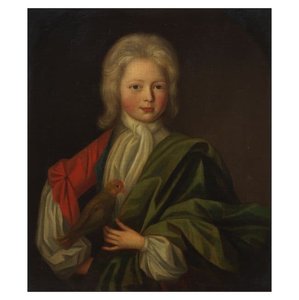 Крістоф ЮеФранцуз · 1700–1759
- 82Луї Де СільвестрФранцуз · 1675–1760
- 83Luis Paret Y AlcázarSpanish · 1746–1799
- 84
 Йоганн Саломон ВальНімець, данський · 1689–1765
- 85Giuseppe NogariItalian · 1699–1766
- 86
 Жан РанФранцуз · 1674–1735
- 87Натаніель Хон СтаршийІрландець · 1718–1784
- 88Jean RaouxFrench · 1677–1734
- 89
 Едуар Оноре АвеФранцуз · 1818–1890
- 90Francesco ZugnoItalian · 1708–1787
- 91Joseph BozeFrench · 1745–1826
- 92Louis Joseph WatteauFrench · 1731–1798
- 93Jacobus BuysDutch · 1724–1801
- 94Єрмайло ТеусШвейцарський · 1716–1774
- 95Vigilius EriksenDanish · 1722–1782
- 96Georg David MatthieuGerman · 1737–1778
- 97Robert Tournières1667–1752
- 98Jose Del CastilloSpanish · 1737–1793
- 99Агостіно БруньясІталієць · 1730–1796
- 100Domenico DupràItalian · 1689–1770
Questions
Your questions
Which Rococo художник is the most famous?
First place goes to Антуан Ватто (#1); Каналетто (#2) and Джованні Баттіста Тьєполо (#3) complete the podium.
Who are the 5 most famous Rococo художники?
Антуан Ватто (#1), Каналетто (#2), Джованні Баттіста Тьєполо (#3), Франсуа Буше (#4) та Жан-Оноре Фраґонар (#5).
Who was the first Rococo художник?
The earliest-born художник in this list is Франсуа де Труа (#25), born in 1645.
Who are the most famous Rococo художники from Франція?
The highest-ranked художники born in Франція are Антуан Ватто (#1), Франсуа Буше (#4), Жан-Оноре Фраґонар (#5), Жан-Батист Сімеон Шарден (#6) та Жан Батіст Грьоз (#9).
Which city was home to the most Rococo художники?
Париж: 15 of the художники in this list were born there.
Which techniques define Rococo art?
“Beyond his oil paintings, he was an important printmaker who utilized the etching technique to spread his visual records.” — from our biography of Каналетто (#2).
Who are the most famous female Rococo художники?
This list includes 5 women: Розальба Кар'Єра (#17), Adélaïde Labille-Guiard (#33), Анна Валайе-Костер (#36), Elisabeth-Louise Vigée-Lebrun (#45) та Anna Dorothea Therbusch (#56).
Where are the great works of Rococo art today?
The museums holding the most key works of this list are Державний музей-заповідник «Ермітаж» (14), Лувр (12) та Національний музей Швеції (8).
Who are famous Rococo художники today?
The highest-ranked living художники in this list are Майзенська Порцелянова Мануфактура (#61).
Where were most Rococo художники born?
Франція: 30 of the 100 художники in this list were born there, then Італія (16) та Italy (9).
Who are the most famous Rococo художники from Італія?
The highest-ranked художники born in Італія are Каналетто (#2), Джованні Баттіста Тьєполо (#3), Бернардо Беллотто (#10), Франческо Гварді (#11) та П'єтро Лонгі (#12).
Where can I see more works by these художники?
Our catalogue holds 11,037 works by these художники.
Read
Stories on OriginalUniqueArt.com
Other movements
Famous artists of other movements
 Знамениті художники BaroqueНічна варта · Рембрандт
 Знамениті художники Contemporary RealistЗбирачки · Жан-Франсуа Мілле
 Знамениті художники ImpressionistЗорі Ніч (Нью Йорк, MoMA) · Вінсент Ван Гог
 Знамениті художники RomanticistСатурн, що пожирає свого сина · Франсіско-Хосе де Гоя
 Знамениті художники NeoclassicistСмерть Марата · Жак-Луї Давід
 Знамениті художники RealistПоходження світу · Гюстав Курбе
 Знамениті художники RenaissanceМона Ліза (Джоконда) · Леонардо Да Вінчі
 Знамениті художники Dutch Golden AgeДівчина з перловою сережкою · Ян Вермер
 Знамениті художники ExpressionistКомпозиция VII · Кандінський Василь Васильович
 Знамениті художники Pop ArtКампаньєлівські банки супу · Енді Воргол
Other periods
Famous artists across the periods
 Знамениті художники Early MedievalSnowy River · Ван Вей
 Знамениті художники High MedievalМадонна у Маєсті (Огнассанті Мадонна) · Джотто
 Знамениті художники Late MedievalБлаговіщення та двоє святих · Сімоне Мартіні
 Знамениті художники RenaissanceСтворення Адама · Мікеланджело Буонарроті
 Знамениті художники Early ModernПокликання святого Матвія · Мікеланджело да Караваджо
 Знамениті художники 19th CenturyВодяні лілії (або Латаття) · Клод Моне
 Знамениті художники ModernГерніка · Пабло Пікассо
 Знамениті художники ContemporaryWind Sculpture III (one in a series of nine) · Yinka Shonibare
Discover more