



A Tapestry Woven Through Time: Exploring the Warsaw National Museum
To step across the threshold of the Warsaw National Museum is not merely to enter a building filled with artifacts; it is to traverse a living corridor through Polish history itself. The very stones seem imbued with the echoes of centuries—of royal splendor, periods of profound struggle, and enduring cultural resilience. This institution stands as a monumental testament to the spirit of Poland, housing collections that span from the earliest epochs of human artistic expression right up to the vibrant narratives of modern masters. It is a place where history does not feel relegated to dusty display cases, but rather breathes through the brushstrokes, the sculpted marble, and the meticulously preserved textiles.
Echoes of Empire and Enlightenment: The Heart of the Collection
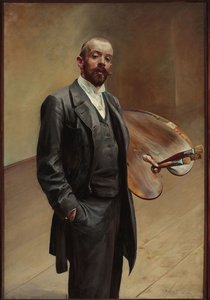
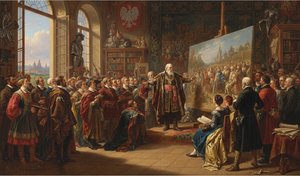
The museum’s holdings are nothing short of encyclopedic, offering a breathtaking survey of global and national artistic achievement. One finds oneself captivated by galleries showcasing Polish masters whose genius illuminated European art during its golden ages. These halls whisper tales of Romantic fervor and Neoclassical grace, where portraiture captures the very soul in a sitter's gaze, and grand historical paintings narrate epic moments of national destiny. Beyond the celebrated canvases, the museum’s decorative arts sections invite contemplation on craftsmanship—the delicate filigree of silverwork, the rich patina of antique furniture, and the exquisite detail in illuminated manuscripts. These objects are not mere relics; they are tangible dialogues between artists, patrons, and the evolving tastes of civilization.
Architecture as Art: A Setting for Contemplation
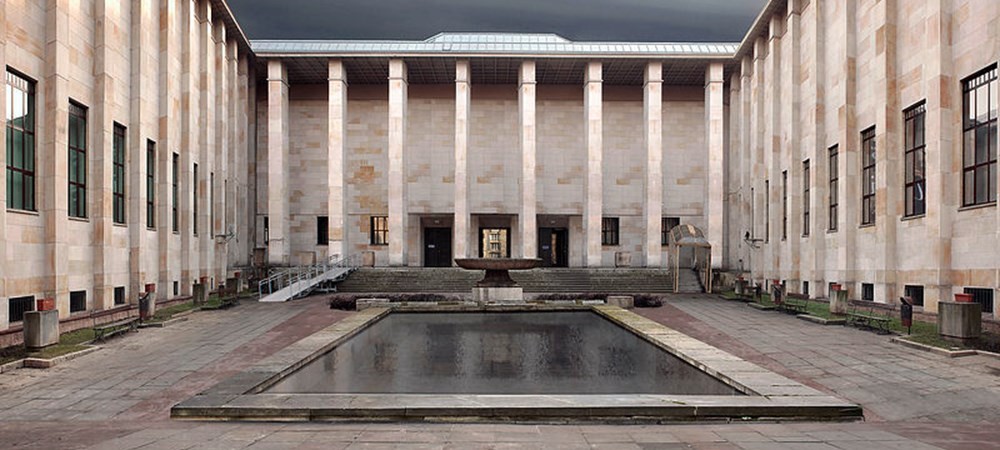
The physical structure of the Warsaw National Museum contributes profoundly to the visitor experience. The architecture itself is a layered narrative, reflecting periods of rebuilding and cultural resurgence that mirror Poland's own tumultuous journey. Walking through its halls, one senses the weight of history balanced by an undeniable commitment to beauty. The interplay of grand public spaces with more intimate, specialized galleries creates a dynamic flow for the art lover. For the interior designer or collector, this setting offers unparalleled inspiration—a dialogue between monumental civic architecture and the delicate placement of masterpieces.
A Living Chronicle: Exhibitions and Unique Offerings
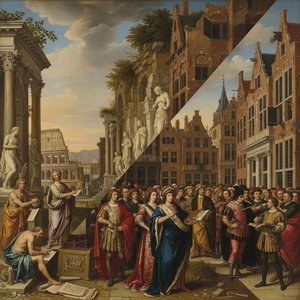
What truly distinguishes the Warsaw National Museum is its commitment to being a continually evolving narrative space. While the permanent collections provide an anchor in time, the museum consistently curates temporary exhibitions that act as vital bridges between eras. These shows often focus on niche areas—a specific artistic movement, a forgotten artisan guild, or a pivotal moment in Polish social history—allowing visitors to engage with art through a highly focused lens. It is this dedication to scholarly depth paired with breathtaking presentation that makes the museum so unique; it invites not just viewing, but deep, empathetic understanding.


![The Battle Of Grunwald [tannenberg] — Jan Matejko](/media/artworks/images-thumb/76/63/7663bffc0e03f3032abe818c6c091ed6.jpg)