




A Sanctuary of Vision: The Soul of The Barnes Foundation
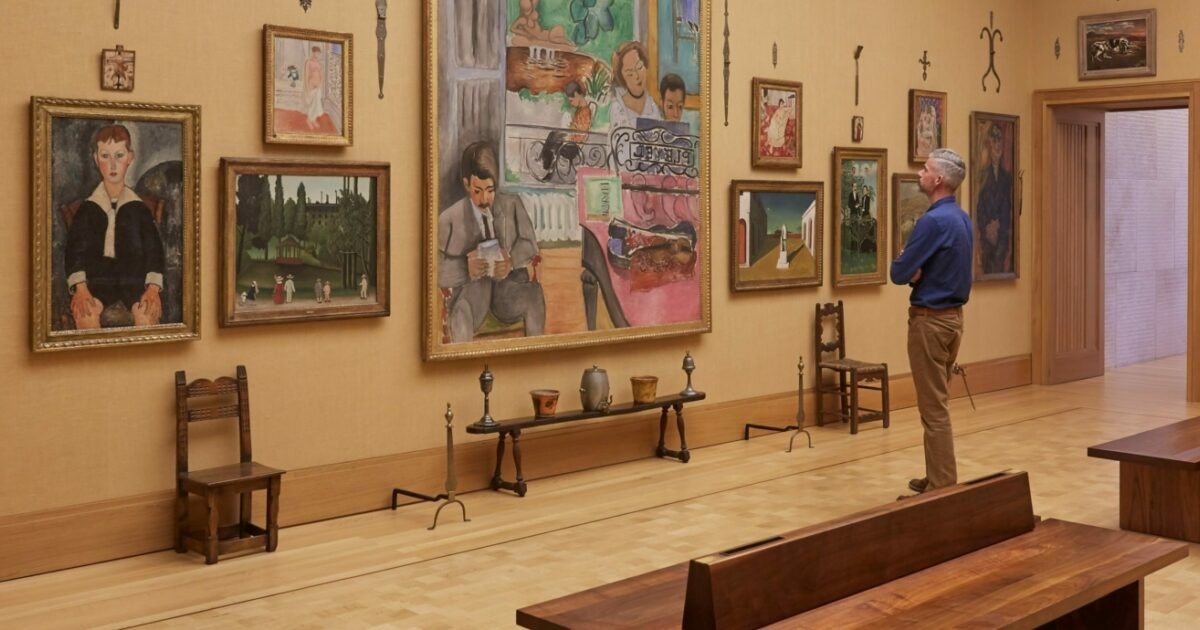
To step into The Barnes Foundation is to enter a space where the boundaries between art, life, and education dissolve into a singular, transformative experience. Located in the heart of Philadelphia, United States of America , this extraordinary institution stands as a profound testament to the radical conviction of its founder, Albert C. and Laura Barnes. Unlike traditional museums that often serve as mere repositories for silent relics, the Barnes was conceived as a living laboratory for the eyes. Rooted in the philosophical principles of John Dewey, the Foundation champions experiential learning, inviting every visitor to move beyond passive observation and engage in a deep, rhythmic dialogue with the canvas. It is a place where the act of looking becomes an intellectual journey, fostering a unique intimacy between the viewer and the masterpiece.
The collection itself is nothing short of a breathtaking odyssey through the evolution of modern vision. As one wanders through the galleries, the eye is met with a deliberate, masterful ensemble of Impressionist, Post-Impressionist, and Early Modern works that seem to pulse with shared energy. The Foundation holds one of the world's most significant concentrations of art by masters such as Renoir, Cézanne, Matisse, and Picasso . One cannot help but be moved by the monumental presence of Paul Cézanne’s Mont Sainte-Victoire , where the landscape is distilled into geometric primitives that vibrate with atmospheric depth. Nearby, the delicate, luminous textures of Pierre-Auguste Renoir’s portraits capture a fleeting sense of Parisian grace, while the rhythmic, colorful vitality of Matisse’s compositions challenges and delights the senses. This curated arrangement—a hallmark of Barnes's unique method—encourages collectors and enthusiasts alike to perceive the hidden threads of color, line, and form that connect disparate eras and styles.
Architectural Harmony and Natural Counterpoint
The architecture of the Barnes Building, designed by the renowned Paul Philippe Cret , serves as a silent but powerful protagonist in this artistic narrative. Eschewing the intimidating grandeur often found in neoclassical institutions, the design prioritizes an atmosphere of light-filled harmony and spatial flow. The building is an architectural extension of the art it houses; the integration of Cubist bas-relief sculptures by Jacques Lipchitz adds a layer of avant-garde texture that mirrors the geometric complexities found within the paintings. This sense of structural rhythm is further complemented by the presence of the adjacent Arboretum.
Established by Laura Leggett Barnes, this verdant sanctuary provides a vital horticultural counterpoint to the intensity of the galleries, reminding us that the perception of art is deeply intertwined with our connection to the natural world. For the interior designer or the devoted art lover, The Barnes Foundation offers more than just a gallery visit; it offers a masterclass in aesthetic cohesion. Whether through recent exhibitions exploring the nuances of color perception or the permanent display of works that redefine spatial relationships, the Foundation remains a beacon of intellectual curiosity. It is an institution where history is not merely studied but felt, making it a destination of unparalleled importance for anyone seeking to understand the transformative power of the visual arts.




