Introduction
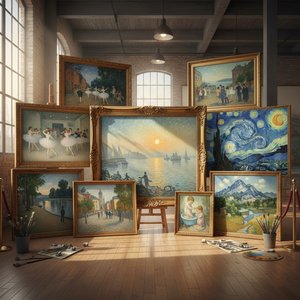
Imagine stepping into a world bathed in dappled sunlight, where colors dance and shimmer with an ethereal glow. This is the essence of Impressionism – a revolutionary art movement that dared to capture not just *what* was seen, but *how* it was perceived. The ten masterpieces we’re about to explore aren't merely paintings; they are windows into a pivotal moment in history, a time when artists rejected academic tradition and embraced the fleeting beauty of modern life.
Born in 19th-century France, Impressionism arose as a rebellion against the rigid constraints of the Salon system. Artists like Monet, Renoir, Degas, and others found themselves increasingly frustrated with the idealized depictions favored by the establishment. Instead, they ventured outdoors – *en plein air* – to paint directly from nature, focusing on the transient effects of light and atmosphere. This was a period of rapid industrialization and urbanization, and these artists sought to reflect the changing world around them: bustling cityscapes, leisurely picnics, and intimate portraits of everyday people.
The initial reception wasn’t kind. Critics scoffed at their loose brushstrokes and unconventional compositions, labeling their work as “unfinished” or “sketchy.” Yet, these very qualities – the visible brushwork, the vibrant colors, the emphasis on subjective experience – are what make Impressionism so captivating even today. These paintings weren't about photographic realism; they were about capturing a feeling, an impression of a moment in time.
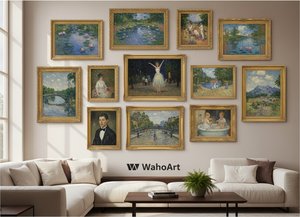
These ten artworks represent the pinnacle of this movement, each offering a unique glimpse into the artists’ vision and techniques. They continue to resonate with audiences because they speak to something universal: our shared human desire to find beauty in the world around us, to connect with nature, and to experience life fully. Prepare to be transported as we delve into the stories behind these iconic paintings – and discover why Impressionism remains one of the most beloved art movements of all time.
Water Lilies - Claude Monet
 Water Lilies - Claude Monet
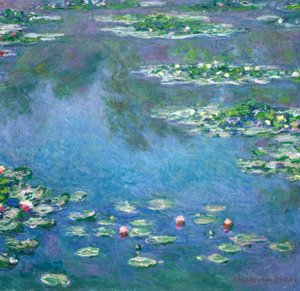
Close your eyes and imagine a place where time seems to slow, where sunlight filters through leaves, dappling the water with gold. A gentle breeze whispers across the surface, carrying the scent of blossoms and earth. This is the world Claude Monet invites us into with his 1906 Water Lilies .
More than a mere depiction of a pond, this painting is an immersion in sensation – a testament to Monet’s lifelong pursuit of capturing fleeting light and atmosphere. Painted at Giverny, his beloved sanctuary, the work embodies the core principles of Impressionism : loose brushstrokes, vibrant color, and a focus on subjective experience. The canvas isn't about precise representation; it’s about evoking the *feeling* of being present in this tranquil garden.
The densely populated surface shimmers with greens, blues, and delicate pinks, reflecting the sky and surrounding foliage. Monet’s masterful use of color creates a sense of depth and movement, drawing the eye to wander across the composition. The visible brushwork adds texture and vitality, making the painting feel alive.
Why does this work endure? Because it offers a sanctuary within itself – a reminder of nature's beauty and the power of contemplation. In our fast-paced world, Water Lilies invites us to pause, breathe, and reconnect with the simple joys of life. Bringing an Impressionist masterpiece like this into your home isn’t just about aesthetics; it’s about cultivating a sense of calm and serenity – a glimpse of paradise in everyday life.
The Great Bathers (The Nymphs) - Pierre-Auguste Renoir
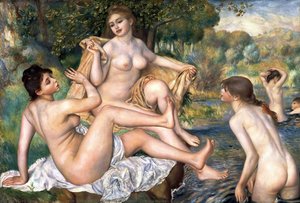 The Great Bathers (The Nymphs) - Pierre-Auguste Renoir
Imagine a sun-drenched afternoon, the gentle murmur of water, and the soft glow of light on skin. This is the world Pierre-Auguste Renoir captures in his 1919 masterpiece, The Great Bathers (The Nymphs) – a celebration of feminine beauty and the restorative power of nature.
This painting represents a pivotal moment in Impressionism , showcasing Renoir’s evolution beyond capturing fleeting impressions to embracing a more sculptural form. While retaining the vibrant color and broken brushstrokes characteristic of the movement, The Great Bathers possesses a weight and monumentality that hints at classical influences.
Five nude figures are immersed in a tranquil river landscape, radiating serenity and natural grace. The artist’s masterful use of light creates a shimmering surface, drawing the eye to wander across the composition. Delicate pinks, blues, and greens blend seamlessly, evoking a sense of warmth and intimacy.
Why does this work endure? Because it offers a timeless vision of beauty – a reminder of our connection to nature and the simple joys of life. At , we believe that art should be accessible, transforming homes into personal sanctuaries. Bringing an Impressionist painting like The Great Bathers into your space isn’t just about aesthetics; it's about cultivating a sense of calm and harmony – inviting the spirit of Renoir’s idyllic world into your everyday life.
Gare Saint Lazare, Pari - Claude Monet
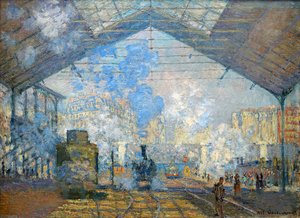 Gare Saint Lazare, Pari - Claude Monet
Close your eyes and imagine the hiss of steam, the distant rumble of trains, and a vast hall filled with fleeting shadows. This is the atmosphere Claude Monet masterfully captures in his 1877 painting, Gare Saint Lazare – a poetic window onto the soul of modern Paris.
More than just a depiction of a railway station, this work embodies the spirit of Impressionism , prioritizing the fleeting effects of light and atmosphere over precise detail. Monet’s signature loose brushwork creates a dynamic surface, allowing colors to blend optically in the viewer's eye. He doesn’t simply *show* us the station; he translates its energy onto canvas.
The muted palette – cool blues, grays, and whites punctuated by warm ochres – evokes the hazy atmosphere of the station, while simultaneously highlighting the artificial illumination within. The blurred figures and ethereal steam suggest constant motion and change, capturing a moment in time that is both vibrant and melancholic.
Why does this work endure? Because it reminds us of the beauty found within the everyday – even in the midst of industrial progress. At , we believe art should transform spaces, inviting contemplation and connection. Bringing a reproduction of Gare Saint Lazare into your home isn’t just about aesthetics; it's about capturing a piece of Parisian elegance and experiencing the timeless allure of an Impressionist masterpiece .
The Child's Bath - Mary Cassatt
 The Child's Bath - Mary Cassatt
Imagine a quiet moment – the gentle warmth of water, the soft touch of hands, and the unspoken bond between mother and child. This is the intimacy Mary Cassatt captures in her 1893 masterpiece, The Child’s Bath – a tender glimpse into the private world of domestic life.
This artwork stands out within the Impressionist movement for its sensitive exploration of maternal care and the quiet strength inherent in everyday experiences. Cassatt masterfully employs loose brushwork, a harmonious color palette, and a focus on capturing fleeting light to create a sense of softness and immediacy.
Notice how short, broken strokes define the fabric, skin, and water, lending a vibrancy that feels both modern and timeless. The muted tones – soft pinks, blues, and creams – evoke feelings of vulnerability, trust, and unconditional love. Cassatt’s unconventional framing adds to the sense of intimacy, as if we are witnessing a private moment unfold before our eyes.
At , we believe art should enrich your life, inviting contemplation and connection. Bringing The Child's Bath into your home isn’t just about aesthetics; it’s about cultivating a sense of calm, warmth, and appreciation for the beauty found within the simplest moments – a timeless reminder of the enduring power of family bonds.
Madame X - John Singer Sargent
 Madame X - John Singer Sargent
Imagine stepping into a grand ballroom, the soft glow of candlelight illuminating a woman of striking presence and subtle melancholy. This is the world evoked by Madame X – a captivating portrait that embodies the refined aesthetic of the late 19th century.
Though authorship is currently unknown, this work exemplifies the era’s fascination with portraying wealth, status, and inner life through sophisticated portraiture. It demonstrates a masterful command of technique deeply rooted in Impressionistic principles – loose brushstrokes capturing the play of light and shadow across her form.
The artist prioritizes tonal values over vibrant color, creating an atmosphere of subdued elegance. Notice how subtle gradations of dark and light lend a sense of mystery and sophistication. Her introspective gaze hints at complexities beneath the surface of aristocratic life, inviting contemplation and connection.
At , we believe art should elevate your space and inspire reflection. Bringing Madame X into your home isn’t just about aesthetics; it's about cultivating a sense of timeless grace and adding a touch of quiet prestige to your surroundings – a reminder of an era defined by both lavish beauty and unspoken emotions.
Bathers (Summer Scene) - Jean Frédéric Bazille
 Bathers (Summer Scene) - Jean Frédéric Bazille
Imagine a sun-drenched afternoon, the gentle murmur of water, and the carefree laughter of friends – this is the vibrant energy captured in Jean Frédéric Bazille’s 1869 masterpiece, Bathers (Summer Scene) .
This work isn't merely a depiction of recreation; it represents a bold artistic statement that challenged conventions and helped define the spirit of Impressionism . The frank portrayal of male nudes in a contemporary setting was remarkably progressive for its time, reflecting the movement’s growing interest in depicting modern life.
Bazille masterfully employs broken brushstrokes and a harmonious color palette – dominated by verdant greens and cool blues – to evoke the natural world with remarkable realism. The painting exudes an atmosphere of camaraderie and uninhibited freedom, inviting viewers to share in this private moment of leisure.
At , we believe art should inspire joy and connection. Bringing Bathers (Summer Scene) into your home isn’t just about aesthetics; it's about cultivating a sense of vitality, warmth, and appreciation for the simple pleasures in life – a timeless reminder of the beauty found within shared experiences.
Grainstack in the Morning, Snow Effect - Claude Monet
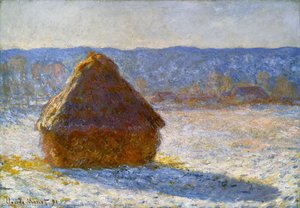 Grainstack in the Morning, Snow Effect - Claude Monet
Imagine a world hushed by snow, where the cool light of morning transforms an ordinary hay stack into something extraordinary. This is the serene beauty captured in Claude Monet’s 1890 masterpiece, Grainstack in the Morning, Snow Effect .
Part of his celebrated “Haystacks” series, this work exemplifies Impressionism 's enduring fascination with capturing fleeting light and atmosphere. Monet didn't simply paint a hay stack; he explored how perception is fundamentally shaped by illumination, repeatedly depicting the same motif under varying conditions.
Loose, visible brushstrokes build up texture and suggest the crispness of the snow, while warm tones contrast with cool blues to evoke a sense of tranquility. The painting invites contemplation – a reminder of beauty found within everyday life and the enduring power of nature’s subtle shifts.
At , we believe art should enrich your surroundings. Bringing Grainstack in the Morning, Snow Effect into your home isn't just about aesthetics; it's about cultivating a sense of calm and inviting the quiet elegance of an Impressionist masterpiece into your daily life.
The Luncheon on the Grass - Édouard Manet
 The Luncheon on the Grass - Édouard Manet
Imagine a sun-dappled glade, the murmur of conversation, and a moment of quiet intimacy shared amongst friends – this is the captivating world evoked by Édouard Manet’s 1863 masterpiece, The Luncheon on the Grass .
This work irrevocably altered the course of art history, serving as a pivotal bridge between Realism and Impressionism . Its radical departure from academic convention – particularly the frank depiction of nudity in a contemporary setting – sparked immediate controversy and enduring fascination. It wasn’t just about what was depicted; it was about *how* it was depicted.
Manet’s loose brushwork, flattened perspective, and bold contrasts anticipated key features of modern art. The painting challenges traditional notions of artistic representation, inviting viewers to confront their own perceptions and societal norms. It evokes a complex range of emotions – curiosity, unease, intimacy, and perhaps even a touch of rebellion.
At , we believe art should inspire conversation and connection. Bringing The Luncheon on the Grass into your home isn’t just about aesthetics; it's about owning a piece of history – a faithful reproduction that preserves the emotion, texture, and revolutionary spirit of this iconic Impressionist masterpiece .
A Bar at the Folies-Bergere - Édouard Manet
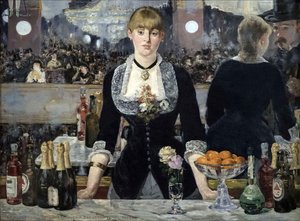 A Bar at the Folies-Bergere - Édouard Manet
Imagine stepping into a bustling Parisian cabaret, the clinking of glasses, the murmur of conversation, and the captivating gaze of a barmaid who seems to hold a thousand untold stories – this is the immersive world evoked by Édouard Manet’s 1882 masterpiece, A Bar at the Folies-Bergère .
More than just a depiction of nightlife, this painting is a complex meditation on urban life and social interaction. Manet's signature Impressionistic style – loose brushwork, fleeting moments captured in light, and an unconventional perspective – deliberately departs from academic tradition.
The composition masterfully draws you into the scene, inviting contemplation on themes of isolation amidst anonymity. The barmaid’s detached expression and ambiguous reflection create a visual puzzle that continues to fascinate viewers today. Details like the oranges symbolize luxury while hinting at deeper social complexities.
At , we believe art should resonate with your soul. Bringing A Bar at the Folies-Bergère into your home isn’t just about aesthetics; it's about owning a piece of history – a faithful reproduction that captures the vibrant energy and subtle complexities of this iconic Impressionist masterpiece, inviting you to step back in time and contemplate the beauty of Parisian modernity.
Paris street, Rainy Day - Gustave Caillebotte
 Paris street, Rainy Day - Gustave Caillebotte
Imagine a quiet moment suspended in time – the gentle patter of rain on cobblestones, the shared intimacy of two figures navigating a bustling Parisian street. This is the enduring aura captured in Gustave Caillebotte’s 1877 masterpiece, Paris Street; Rainy Day .
Often celebrated as an iconic work within the Impressionism movement, this painting possesses a unique character that transcends categorization. Caillebotte masterfully blends Impressionistic techniques – capturing fleeting light and atmosphere – with a strong foundation in realism, resulting in a strikingly detailed portrayal of modern urban life.
His background in photography profoundly influenced his artistic approach, lending the composition a cinematic quality. Notice the deliberate use of asymmetrical balance and atmospheric perspective, drawing you into the scene while simultaneously emphasizing the individual’s place within the bustling city. The wet cobblestones reflect light, adding texture and enhancing the overall mood.
At , we believe art should resonate with your soul. Bringing Paris Street; Rainy Day into your home isn't just about aesthetics; it’s about owning a piece of history – a faithful reproduction that captures the quiet beauty and subtle complexities of this iconic Impressionist masterpiece, inviting you to contemplate the enduring spirit of Parisian life.
Conclusion
As the light fades on our journey through these ten masterpieces, we are reminded that great art transcends time and circumstance. These paintings – born from a revolutionary spirit and a desire to capture fleeting moments of beauty – continue to resonate with us today not as relics of history, but as living presences.
Each brushstroke carries a timeless conversation between artist and admirer, inviting us to step into another world, feel another’s emotion, and contemplate the enduring mysteries of human existence. From Monet’s shimmering water lilies to Manet’s daring depictions of modern life, these works have shaped our understanding of art, beauty, and the very fabric of perception.
They are not merely canvases adorned with paint; they are windows into souls long past, echoes of laughter and longing, whispers of a world transformed. And in bringing these masterpieces into your own home – whether through a vibrant print or a lovingly recreated oil painting – you invite that conversation to continue, enriching your surroundings and inspiring moments of quiet contemplation.
We invite you to explore our full collection of Impressionist works, and discover the timeless beauty that awaits. May these paintings continue to move your heart, shape your interiors, and ignite your own creative spirit for generations to come.