



A Legacy Etched in Stone and Canvas: St John’s College, Oxford
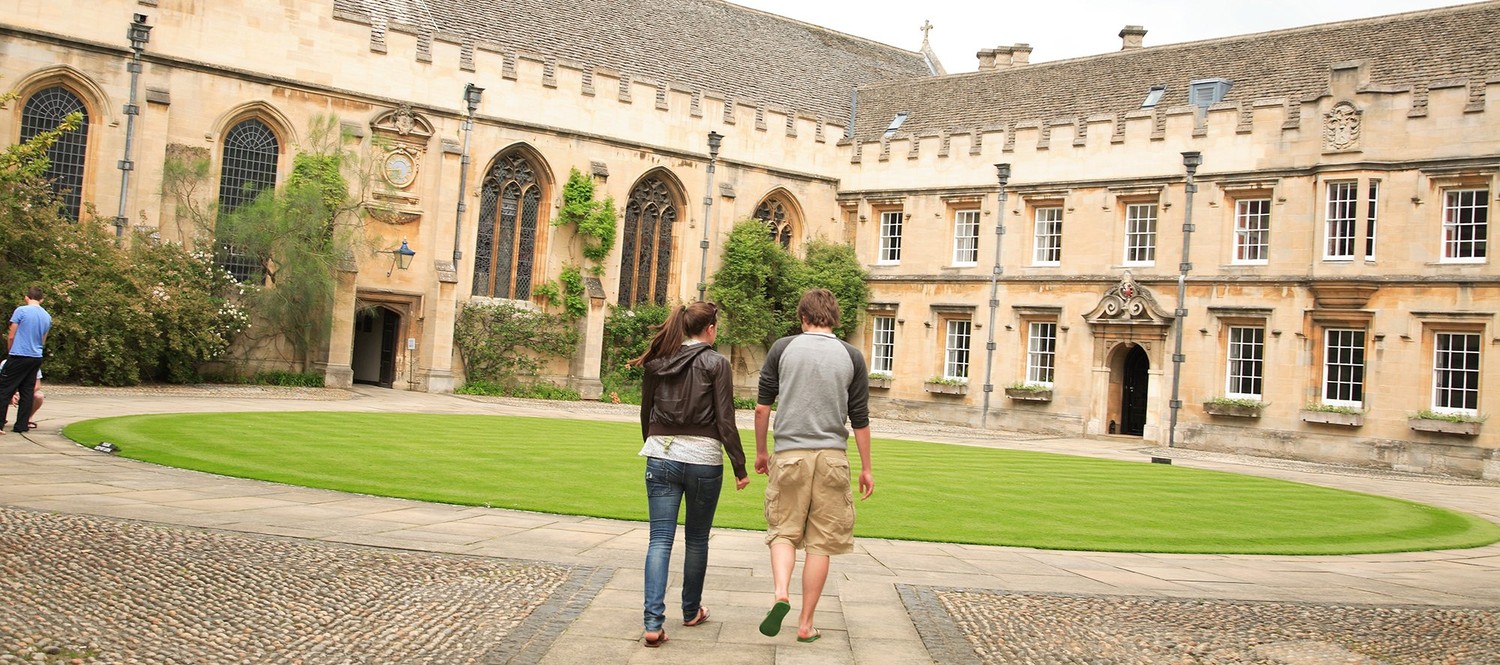
St John's College, Oxford, stands as a testament to centuries of scholarly pursuit interwoven with breathtaking artistic patronage—a place where the very stones whisper tales of faith, intellect, and enduring beauty. Founded in 1555 by Sir Thomas White amidst the turbulent currents of Reformation England, the college emerged from the ruins of St Bernard’s Monastery, inheriting not merely its physical form but also a spirit of contemplative reflection that continues to shape its vibrant present. To wander through its seven quadrangles is to embark on a journey through time itself, each courtyard offering a singular glimpse into Oxford's intellectual heritage and artistic inspiration. The college’s commitment to fostering creativity extends far beyond its architectural grandeur; it’s nurtured by an extraordinary collection of artworks spanning eras from the Renaissance to Impressionism—a treasure trove that illuminates the evolving aesthetic sensibilities of generations past.
A Symphony in Stone: Architectural Heart
The College's architectural heart resides within its oldest structures, those salvaged from the monastic past—particularly St Mary’s Chapel and The Hall. St Mary’s Chapel, designed by Sir William Nicholson in 1877, exemplifies Gothic Revival architecture, bathed in sunlight streaming through stained-glass windows depicting biblical narratives. Its soaring vaulted ceilings and intricate tracery create a sanctuary of serene devotion, reflecting the monastic ideals of contemplation and serving as an enduring symbol of Oxford's spiritual tradition. The Hall, originally erected in 1437 and subsequently embellished by White, stands as a magnificent example of medieval craftsmanship—its towering stone walls adorned with elaborate carvings that evoke a sense of solemn majesty. This space has witnessed countless convivial gatherings and intellectual debates, fostering connections between minds across centuries.
Echoes Across Time: The Art Collections
The College’s artistic legacy is embodied in its diverse collection, which encompasses paintings by luminaries like Sir Michael Scholar, John Downton, and John Heliker—artists whose works resonate with Oxford's distinctive cultural identity. Sir Michael Scholar’s depictions of St Mary’s Chapel capture the chapel’s ethereal atmosphere, conveying a profound appreciation for light and color. John Downton’s portraits reveal an intimate understanding of human emotion and form, drawing viewers into worlds populated by nuanced characters. However, it is John Heliker (1909-2000)’s paintings—particularly his portrayals of St John's College and its surrounding religious sites—that hold a special place in the College’s artistic memory. His canvases aren’t merely representations; they are interpretations imbued with his personal connection to Oxford’s historic landscape, capturing the essence of a bygone era. The collection includes pieces from various movements – Renaissance portraits alongside Impressionistic landscapes – demonstrating an appreciation for artistic diversity and innovation throughout history.
Expanding Horizons: Nearby Museums & Artistic Influences
Beyond its own captivating art holdings, St John's College benefits from proximity to Oxford’s other prestigious museums—Merton College and St Alban Hall—each offering further glimpses into the city’s rich artistic heritage. Merton College houses a remarkable collection of Tudor portraits, showcasing the patronage of influential figures like Henry VIII and Thomas Cranmer. St Alban Hall boasts an impressive assemblage of Baroque sculptures and decorative arts, reflecting Oxford's engagement with European artistic trends during the seventeenth century. These institutions contribute to Oxford’s reputation as a center for scholarship and creativity—a place where tradition meets innovation, fostering intellectual curiosity and inspiring artistic expression.
A Pilgrimage to Enduring Beauty
A visit to St John’s College is more than just an aesthetic experience; it's an immersion into Oxford’s enduring legacy—a pilgrimage to a place where the pursuit of knowledge continues to illuminate the path forward. The college invites contemplation, offering a unique space for reflection and appreciation of both artistic mastery and intellectual history. It stands as a living testament to the power of beauty, scholarship, and the enduring human spirit.





