A Tapestry of Time: The Soul of the Rhineland
To step into the Rheinisches Landesmuseum Bonn is to embark on a profound journey through the very essence of human existence, where the boundaries between ancient archaeology and fine art dissolve into a single, sweeping narrative. As one of Germany’s oldest and most venerable institutions, this museum does not merely display objects; it breathes life into the layers of history that have shaped the Rhineland. The air within its walls feels heavy with the weight of millennia, inviting the curious visitor to wander through a curated landscape where the primitive echoes of the Stone Age meet the sophisticated elegance of the European Renaissance. It is a sanctuary for those who find beauty in the continuity of life, offering a rare opportunity to witness the evolution of human ingenuity from the first tools of our ancestors to the masterful brushstrokes of the Old Masters.
The museum’s architectural presence is a striking dialogue between eras, embodying a resilient spirit that has survived the tumult of the twentieth century. Following the devastation of World War II, the structure was meticulously rebuilt, resulting in a magnificent blend of neo-classical grandeur and modern, functional design. This architectural harmony serves as the perfect stage for its diverse collections, where light and space are used to create an immersive environment. For the art lover or interior designer, the museum’s aesthetic—a seamless integration of historical weight and contemporary clarity—provides endless inspiration, reflecting a sophisticated balance between tradition and innovation that is as much a work of art as the treasures housed within.
From Primordial Shadows to Golden Ages
The true heartbeat of the Rheinisches Landesmuseum lies in its unparalleled ability to juxtapose the monumental with the intimate. In the prehistoric galleries, one encounters the haunting presence of Neanderthal 1 , a pivotal specimen that offers a visceral connection to our distant evolutionary cousins. This primal exploration is balanced by the exquisite splendor of Roman antiquity, where polychrome copies of the Igel Column and reconstructed frescoes from Neumagen-Dhron transport the viewer to the vibrant, sun-drenched urban centers of the Roman Empire. These artifacts, ranging from intricate Celtic jewelry to imposing marble busts, serve as a testament to the enduring craftsmanship and cultural complexity of the region's ancient inhabitants.
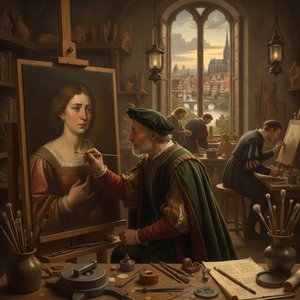
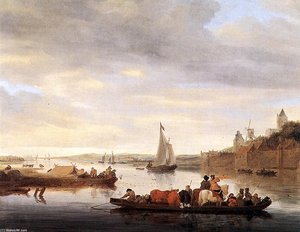
Yet, the museum’s allure extends far beyond the archaeological into the realm of pure aesthetic delight. The legendary Wesendonck Collection provides a luminous highlight, bringing a wealth of Dutch and Flemish masterpieces into the heart of Bonn. Here, the viewer can lose themselves in the delicate textures of seventeenth-century still lifes, the atmospheric depth of landscapes by Van Goyen, and the charming genre scenes of Bruegel and Teniers. This collection transforms the museum into a gallery of light and color, where the socio-cultural history of the "Golden Age" is rendered visible through every meticulously painted petal and shadow. It is this unique coexistence—the placement of a masterwork painting alongside an ancient tool—that defines the museum’s character, reminding us that art and life have always been inextricably linked.
An Immersive Legacy for the Modern Era
What truly distinguishes the Rheinisches Landesmuseum Bonn is its commitment to making history a living, breathing experience. Through innovative multimedia presentations like “In the Realm of Shadows,” the museum transcends the traditional boundaries of a static exhibit, using captivating visuals and interactive simulations to illuminate the mysteries of the past. This dedication to engagement ensures that the museum remains a vital cultural landmark, not just for scholars and historians, but for families and collectors alike who seek a deeper connection to our shared heritage. Whether exploring the thematic depths of "From the Gods to God" or marveling at the intricate maps of Rigobert Bonne, every corner of the museum offers a new discovery, making it an essential destination for anyone moved by the enduring magic of human creativity.