Menu
FREE ART CONSULTATION

Pennsylvania Academy of Fine Arts

Quick Facts

  • Location: Philadelphia, United States of America
  • Movements: realism
  • Mediums: oil on canvas
  • Works on APS: 2
  • More…
  • Alternate names:
    • Pennsylvania Academy of the Fine Arts
    • PAFA
    • Americas First Museum and Art School
    • Pennsylvania Academy of Fine Arts
  • Featured artists:
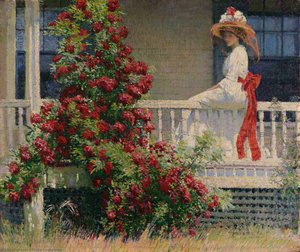
    • phillip leslie hale
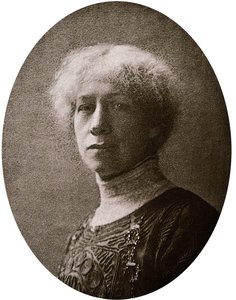
    • Anna Elizabeth Klumpke
  • Art types: wallart

Art Quiz

There is only one correct answer for each question.

Question 1:
What is the Pennsylvania Academy of Fine Arts renowned for?
Question 2:
Who founded the Pennsylvania Academy of Fine Arts?
Question 3:
The Furness-Hewitt Building is characterized by its:
Question 4:
Thomas Eakins is celebrated for his contributions to American art primarily due to his focus on:
Question 5:
What distinguishes PAFA from other museums?

A Legacy Etched in Stone and Canvas: Exploring the Pennsylvania Academy of the Fine Arts

Philadelphia’s cultural landscape is richly layered, a palimpsest of historical moments and artistic endeavors. At its heart stands the Pennsylvania Academy of Fine Arts (PAFA), not merely a museum but a living testament to the evolution of American art itself. Founded in 1805 by Charles Willson Peale, William Rush, and a cohort of visionary artists and leaders, PAFA holds the distinguished title of America’s oldest art museum *and* school – a dual identity that continues to shape its unique character today. To walk through its halls is to trace the trajectory of American artistic expression from its nascent stages through the dynamism of the 20th century, encountering masterpieces born from a commitment to both tradition and innovation. The very stones of PAFA whisper stories of artistic training, public exhibition, and the forging of a national aesthetic identity. ### The Furness-Hewitt Building: A Victorian Masterpiece The current home of PAFA, completed in 1871, is itself an artwork of considerable renown. Designed by Frank Furness, a Philadelphia architect celebrated for his bold and unconventional style, the Furness-Hewitt building is a breathtaking example of Victorian Gothic architecture. Its imposing façade, characterized by intricate brickwork, soaring arches, and dramatic lighting, reflects the institution’s ambition and its dedication to elevating American art. Stepping inside feels like entering another era; the grand galleries, with their high ceilings and ornate details, provide a fitting backdrop for the treasures they house. The building isn't simply a container for art; it actively participates in the aesthetic experience, enhancing the emotional resonance of the works on display. It stands as a powerful symbol of Philadelphia’s architectural heritage and a testament to the importance placed on artistic cultivation during the Gilded Age. ### A Chronicle of American Realism and Beyond PAFA's collection is particularly celebrated for its depth in 19th and 20th-century American paintings, sculptures, and works on paper. The museum boasts an exceptional array of masterpieces representing key movements like American realism and impressionism. Visitors can immerse themselves in the world captured by artists such as Gilbert Stuart, whose portraits offer intimate glimpses into the lives of prominent figures from early America. However, it is perhaps the legacy of Thomas Eakins that looms largest over PAFA’s holdings. A pivotal figure in American art, Eakins not only studied and exhibited at the Academy but also returned to teach there in 1876, profoundly influencing generations of artists with his commitment to anatomical accuracy, psychological realism, and unflinching depictions of everyday life. Beyond painting, the sculpture collection is equally impressive, showcasing a diverse range of styles and techniques. The museum’s dedication extends beyond established masters; it actively supports contemporary artists through its school programs and exhibitions, ensuring that PAFA remains a vibrant hub for artistic creation. ### Notable Exhibitions & Artistic Influences PAFA’s history is marked by groundbreaking exhibitions that have shaped the discourse on American art. The Academy hosted the Centennial Exposition of 1876, showcasing American art alongside European counterparts—a pivotal moment in establishing PAFA's reputation as a champion of artistic excellence. Furthermore, PAFA’s influence extends far beyond its walls; Thomas Eakins’ pedagogical approach established a precedent for rigorous artistic training and continues to inspire artists today. The Academy’s archives hold invaluable materials documenting the evolution of American art education and its cultural context—a testament to PAFA's enduring role in fostering creativity and scholarship. ### Discovering PAFA: A Destination for Connoisseurs and Enthusiasts For art lovers, collectors, and interior designers alike, the Pennsylvania Academy of the Fine Arts offers an unparalleled experience. It’s a place to connect with the soul of American art, to appreciate the skill and vision of its masters, and to discover emerging talents poised to shape the future. Whether you're seeking inspiration for your own creative endeavors or simply yearning to be moved by beauty, PAFA promises a journey through time and artistry that will leave an indelible impression. The museum’s commitment to accessibility and engagement ensures that everyone can find something to cherish within its walls – a testament to its enduring legacy as America’s first art museum and school.