The Dawn of Impressionism: Capturing Fleeting Moments
Impressionism, a revolutionary art movement born in 19th-century France, marked a radical departure from the academic traditions that had long dominated the art world. Artists like Claude Monet, Pierre-Auguste Renoir, and Edgar Degas sought to capture the *fleeting* effects of light and atmosphere, prioritizing the subjective visual experience over precise representation. This wasn’t merely about depicting what they saw, but rather how they perceived it – a momentary impression recorded with visible brushstrokes and vibrant color.
The movement arose in opposition to the rigid standards of the Académie des Beaux-Arts, which favored historical and mythological subjects rendered with meticulous detail. Impressionists ventured outdoors, painting *en plein air* (in open air) to directly observe the changing qualities of light. This focus on immediacy led to a distinctive style characterized by broken color, short brushstrokes, and an emphasis on capturing the ephemeral nature of reality.
For the discerning collector, understanding Impressionism’s origins is crucial. Early works often depicted scenes of modern life – bustling cityscapes, leisurely picnics, and intimate portraits – reflecting a shift towards contemporary subject matter. Recognizing these foundational elements allows for informed appreciation and investment in this pivotal movement.
Beyond Representation: The Post-Impressionist Revolt
While Impressionism liberated artists from academic constraints, it also faced criticism for its perceived lack of structure and emotional depth. Post-Impressionism emerged as a reaction to these limitations, encompassing a diverse group of artists – including Paul Cézanne, Vincent van Gogh, Paul Gauguin, and Georges Seurat – who built upon Impressionist techniques while forging their own unique paths.
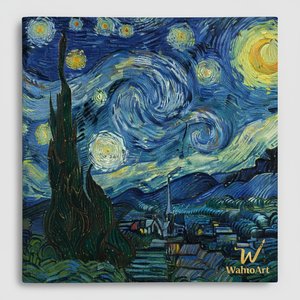
Unlike the Impressionists’ focus on capturing momentary sensations, Post-Impressionists explored more subjective and symbolic themes. Cézanne sought to restore a sense of order and solidity to painting, reducing objects to their geometric forms. Van Gogh used bold colors and expressive brushstrokes to convey his intense emotions. Gauguin turned towards primitive art and symbolism, seeking spiritual meaning in his work. Seurat developed Pointillism, a meticulous technique involving the application of tiny dots of color.
This period represents a crucial transition in art history, bridging the gap between Impressionism’s observational approach and the abstract movements of the 20th century. For collectors, recognizing the individual styles within Post-Impressionism is key to appreciating its breadth and significance.
Key Distinctions for the Collector: Style, Technique & Subject Matter
Distinguishing between Impressionism and Post-Impressionism can be subtle, but several key characteristics offer guidance:
- Brushwork: Impressionists favored loose, broken brushstrokes to capture light. Post-Impressionists employed a wider range of techniques – from Cézanne’s deliberate strokes to Van Gogh’s swirling impasto and Seurat’s precise dots.
- Color Palette: Both movements utilized vibrant colors, but Post-Impressionists often used color more expressively and symbolically, departing from naturalistic representation.
- Subject Matter: While Impressionists focused on everyday life and landscapes, Post-Impressionists explored a broader range of subjects, including portraits, still lifes, and symbolic scenes.
- Emphasis: Impressionism prioritized the *perception* of light and atmosphere; Post-Impressionism emphasized *emotion*, structure, and personal expression.
Understanding these distinctions allows collectors to identify works within each movement and appreciate their unique qualities.
Investing in a Legacy: Evaluating Impressionist and Post-Impressionist Works
Investing in Impressionist and Post-Impressionist art requires careful consideration. Provenance (the history of ownership) is paramount, as it establishes authenticity and adds to the artwork’s value. Condition is also crucial; restoration work should be documented and assessed by a qualified conservator.
Factors influencing value include:
- Artist Reputation: Works by established masters like Monet, Van Gogh, and Cézanne command the highest prices.
- Rarity: Scarce or previously unknown works are often highly sought after.
- Subject Matter: Iconic scenes or particularly compelling compositions can increase value.
- Size & Condition: Larger, well-preserved paintings generally fetch higher prices.
Consulting with an experienced art advisor is invaluable when navigating the complexities of the art market. A knowledgeable advisor can provide expert guidance on authentication, valuation, and acquisition strategies.
's Curated Collection: Bringing Masters to Your Home
At , we are dedicated to making these masterpieces accessible to collectors of all levels. Our collection features meticulously hand-painted reproductions of iconic Impressionist and Post-Impressionist works, created by skilled artists using traditional techniques.
We offer a range of customization options, allowing you to choose the size, frame, and style that best suits your aesthetic preferences. Whether you’re seeking a stunning centerpiece for your home or a thoughtful gift for a fellow art enthusiast, provides exceptional quality and unparalleled value. Explore our curated collection today and bring the beauty of Impressionism and Post-Impressionism into your world.