A Chronicle of Polish Art: Exploring the National Museum in Poznań
Nestled within the historic heart of Poznań, Poland—a city brimming with medieval charm and a vibrant contemporary spirit—lies the National Museum (Muzeum Narodowe w Poznaniu), a treasure trove offering an unparalleled journey through centuries of artistic expression. Established in 1857 initially as the “Museum of Polish and Slavic Antiquities,” it has evolved into one of Poland’s premier cultural institutions, meticulously curating a collection that seamlessly blends domestic masterpieces with significant international holdings. More than just a repository of artworks, the museum stands as a poignant reflection of Poland's tumultuous past and its enduring artistic legacy – a place where history breathes alongside brushstrokes and sculpted forms.
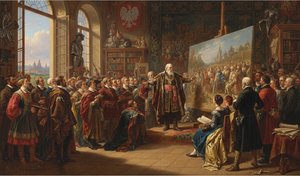
The museum’s core strength undoubtedly resides in its profound representation of Polish art. From the 16th century through to the present day, visitors are immersed in a panorama of national identity expressed through paint, sculpture, and design. The collection is dominated by the monumental works of Jan Matejko, whose epic historical paintings—particularly “Death” and “The Dust Storm”—capture pivotal moments in Polish history with dramatic intensity and meticulous detail. These canvases aren’t merely depictions; they are vibrant narratives imbued with patriotic fervor and a deep understanding of Polish character. Alongside Matejko's grandeur, the museum showcases the evocative Symbolism of Jacek Malczewski, whose “Melancholia” offers a profound meditation on human emotion and spiritual longing. The works of Olga Boznańska, Stanisław Wyspiański, Leon Wyczółkowski, and Władysław Czachórski further enrich this tapestry, each artist contributing a unique voice to the evolving landscape of Polish art.
Beyond its domestic prowess, the National Museum boasts an impressive collection of foreign paintings, largely stemming from the esteemed Raczyński family’s legacy. This assemblage includes breathtaking Italian Renaissance frescoes, dramatic Dutch seascapes brimming with light and shadow, and evocative Spanish scenes that capture the spirit of a bygone era. The museum's commitment to showcasing diverse artistic traditions is further exemplified by its dedicated gallery of applied arts, housing an array of intricately crafted furniture, ceramics, textiles, and decorative objects—testaments to Polish craftsmanship throughout the ages. A smaller but significant collection of numismatic artifacts adds another layer of historical context, offering glimpses into Poland’s economic and political past.
Architectural Echoes: The Building's Evolution
The museum’s current main building, a magnificent example of late 19th-century architecture, is a testament to the city’s evolving identity. Designed by Carl Hinckeldyen and completed in 1904, it was originally known as the Kaiser-Friedrich-Museum—a name reflecting Poland's complex relationship with its former imperial overlords. The building itself underwent significant transformation throughout the 20th century, enduring the devastation of World War II and subsequent looting of its collections. Post-war efforts were dedicated to painstakingly recovering stolen artworks and expanding the museum’s facilities, culminating in the addition of a striking north wing designed by Marian Trzaska and later adapted by Witold Gyurkovich. This expansion not only increased exhibition space but also provided a contemporary counterpoint to the building's historic grandeur.
Branching Out: Exploring Beyond the Main Building
The National Museum’s influence extends far beyond its central edifice, encompassing a network of interconnected branch museums that each offer unique and enriching experiences. The Rogalin Palace, a stunning Baroque palace housing an extraordinary collection of art and furniture, stands as perhaps the most iconic extension of the museum's reach. Its opulent interiors and meticulously preserved collections provide a glimpse into aristocratic life in 18th-century Poland. Similarly, Gołuchów Castle and Śmiełów Palace offer distinct architectural styles and historical narratives, while the Museum of Applied Arts delves into the intricacies of Polish design and craftsmanship. These branches collectively contribute to a broader understanding of Polish culture and heritage, transforming the museum into a truly regional institution.
A Legacy of Memory and Artistic Significance
The National Museum in Poznań is more than just a collection of artworks; it’s a living testament to Poland's history and artistic spirit. Its evolution—from a repository of antiquities to a comprehensive museum encompassing diverse collections and architectural styles—mirrors the nation’s own journey through periods of upheaval, resilience, and cultural flourishing. The museum’s commitment to preserving and showcasing Polish art alongside international masterpieces makes it a vital center for cultural exchange and education. Visiting the National Museum is an immersive experience, offering visitors a profound connection to Poland's past, present, and future—a place where art speaks volumes about a nation’s identity and enduring legacy.