

Museo Arqueológico Nacional: A Journey Through Spain’s Soul
The Museo Arqueológico Nacional (MAN), nestled in Madrid’s historic Retiro district alongside the National Library of Spain, stands as a testament to Spain's enduring fascination with its past. Founded in 1867 by Queen Isabella II—originally conceived as a repository for numismatic treasures—the museum has blossomed into an expansive chronicle of Iberian history, spanning from prehistoric Iberia to the cusp of modernity.
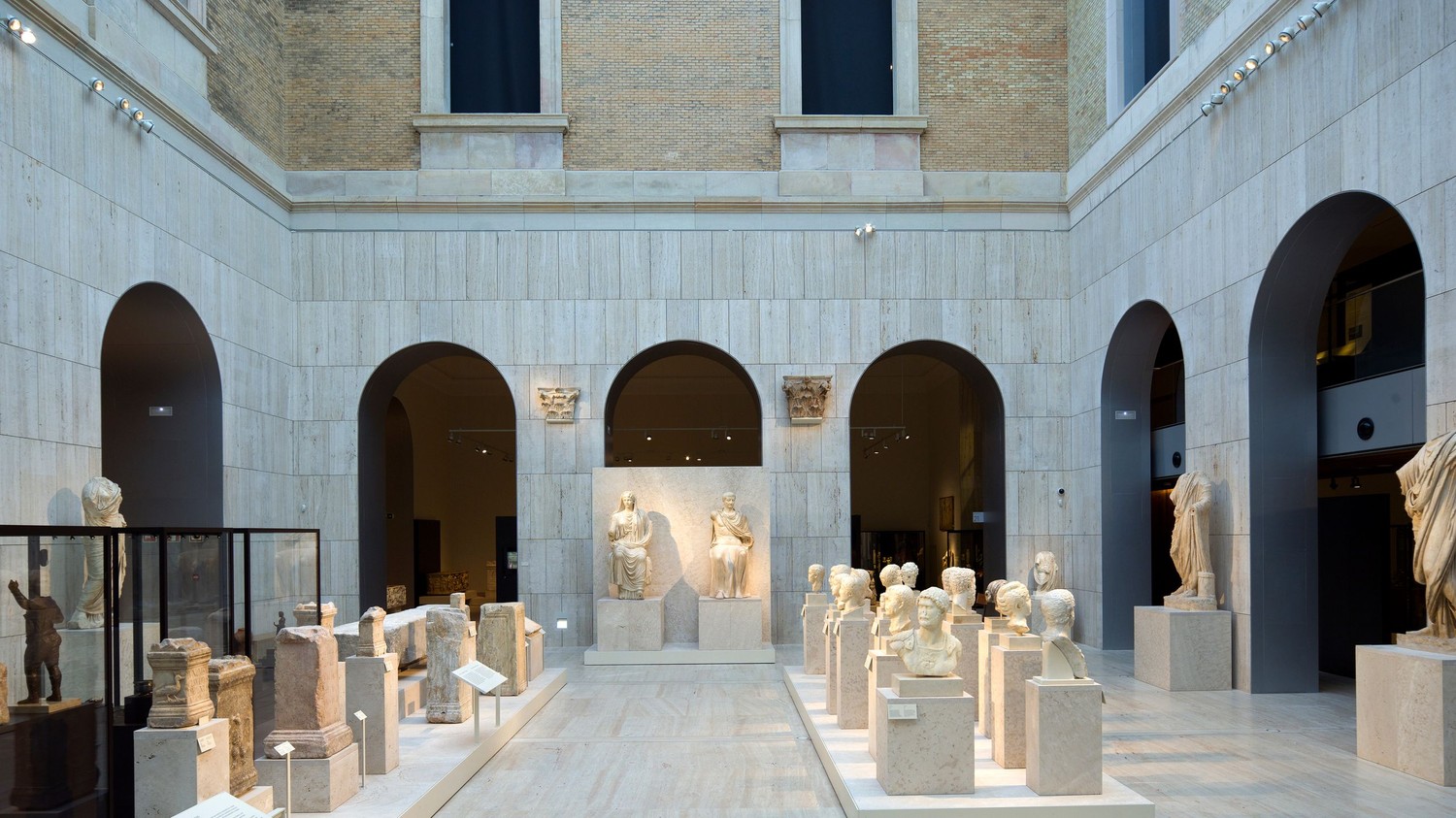
More than simply housing artifacts; MAN offers visitors a profound encounter with the cultural evolution of Spain. Its architectural grandeur – a neoclassical complex designed by Francisco Jareño between 1866 and 1892 – reflects the nation’s ambition for artistic preservation alongside intellectual legacy. Renovated in 2008, it continues to attract scholars and enthusiasts alike.
Echoes of Ancient Iberia: Ladies of Stone and Lost Civilizations
The museum's core strength resides not merely in quantity but in meticulous curation that breathes life into fragments of the past. The expedition begins with a captivating exploration of prehistoric Spain, dominated by an astonishingly detailed replica of the Altamira Cave paintings. This faithful recreation—achieved through painstaking photogrammetry—allows us to appreciate the raw power and evocative beauty of these iconic Paleolithic images without disturbing their original context in the remote northern caves.
Alongside this immersive experience are displays dedicated to the Iberian civilization, where one encounters the enigmatic allure of sculptures like the Lady of Elche. Carved from limestone, this hauntingly beautiful figure—whose origins and purpose debated by scholars for generations—serves as a poignant reminder of Iberia’s spiritual beliefs and artistic traditions.
The Roman Imprint: Law, Empire, and Daily Life
As one progresses through the museum's chronological narrative, the powerful influence of Rome in Hispania becomes strikingly apparent. Among its treasures is the Lex Ursonensis—a remarkable set of bronze tablets discovered at Osuna—providing invaluable evidence of Roman law and administrative practices within the region.
Beyond this pivotal discovery, the museum’s collection of Roman artifacts – pottery shards, intricate mosaics, delicate jewelry, and architectural fragments – paints a vivid picture of daily life in Roman Hispania. It reveals a society deeply intertwined with Greek culture yet possessing its own distinct character—a fascinating blend of influences that shaped the region's identity for centuries to come.
A Tapestry of Cultures: From Talaiotic Towers to Tartessian Treasures
The Museo Arqueológico Nacional doesn’t confine itself to tracing the legacies of dominant empires; it celebrates the diverse cultures that flourished in Spain during periods of transition and upheaval. Exhibits dedicated to the Talaiotic culture—characterized by its distinctive tower settlements across Catalonia and Valencia—showcase a unique architectural style and social organization.
Alongside these displays are artifacts from Celtic communities, reflecting their influence on Iberian society, and treasures unearthed from the enigmatic realm of Tartessos—a civilization renowned for its wealth, trade networks, and sophisticated metalworking skills. These exhibits underscore Spain’s historical role as a crossroads of cultures—where influences converged and blended to create something entirely new and uniquely Spanish.
A Legacy of Discovery: What Makes MAN Unique
What truly distinguishes the Museo Arqueológico Nacional is its comprehensive scope—a holistic journey through over 5000 years of Spanish history. It’s not simply a collection of objects; it's a carefully constructed narrative that illuminates the evolution of Spanish identity, shaped by prehistoric migrations, Roman conquest, Visigothic rule, Moorish influence, and ultimately, the rise of Spain as a global power.
The museum’s commitment to scholarship is evident in its meticulously researched exhibits and informative displays—making it an invaluable resource for students, researchers, and anyone seeking to deepen their understanding of this captivating nation. MAN remains a vital institution, continually evolving through new discoveries and innovative exhibitions—ensuring that the stories of Spain's past continue to resonate with audiences today.