Samuel William Reynolds (1773-1835) was a British mezzotint engraver, landscape painter & gardener popular in Britain & France. Known for portraits, animal studies, and his work reproducing Sir Joshua Reynolds' art. Over 400 works at the National Por
Discover Ethel Léontine Gabain (1883-1950), a French-Scottish painter & lithographer celebrated for evocative portraits, melancholic figures, and masterful black & white printmaking. Founding member of the Senefelder Club.
George Patten (1801-1865) was a British portraitist known for his presentation portraits of notable figures, as well as mythological & scriptural works. Explore his art and legacy.
Manchester Town Hall stands as a monumental testament to Victorian ambition and civic pride—a building that embodies not only architectural grandeur but also the spirit of an era defined by industrial innovation and artistic flourishing. Located in Albert Square, at the heart of Manchester’s historic centre, it is more than just stone and mortar; it's a living chronicle of British history and a beacon of cultural heritage. Completed in 1877 under the visionary guidance of architect Alfred Waterhouse, this neo-Gothic masterpiece continues to inspire awe and admiration today.
Rising majestically from Albert Square, the Town Hall’s imposing presence dominates the cityscape, inviting visitors into a world where intricate carvings whisper tales of Manchester's past and stained glass windows bathe the interior in kaleidoscopic hues. Waterhouse deliberately eschewed the classical symmetry favoured by many of his contemporaries, opting instead for a dynamic asymmetry that mirrored the energetic pulse of Manchester’s burgeoning industrial age—a bold decision that resulted in a building unlike any other of its time. The façade is a captivating tapestry of sculpted figures – prominent scientists, artists, and civic leaders brought to life by Joseph Boehm – each contributing to the building’s narrative as a monument to human achievement. Ascending towards the heavens, the 280-foot tower culminates in Great Abel, a colossal bell whose resonant tones have echoed across Albert Square for over a century, serving as a constant reminder of Manchester’s maritime heritage and enduring spirit.
Architectural Significance:
Alfred Waterhouse's design represents a pivotal moment in Victorian architecture—a deliberate rejection of neoclassical conventions in favour of the expressive grandeur of Gothic Revival. He drew inspiration from cathedrals across Europe, incorporating elements such as pointed arches, ribbed vaults, and soaring towers to create an atmosphere of solemn beauty and spiritual contemplation.
The Great Hall Murals:
Within the Great Hall resides one of Britain’s most ambitious artistic undertakings: Ford Madox Brown’s Manchester Murals – a series of canvases that chronicle the city’s history from its Roman origins through the transformative years of the Industrial Revolution. These monumental paintings depict key moments in Manchester's past—the arrival of Charlemagne, the Norman Conquest, the Elizabethan Renaissance, and the Victorian Era—capturing not only historical events but also the spirit of each period with remarkable sensitivity and detail.
Sculpture Hall Treasures & Legacy
Adjacent to the Great Hall is the Sculpture Hall, housing statues commemorating influential figures who shaped Manchester’s intellectual landscape—John Dalton, James Joule, and Sir John Barbirolli. These sculptures embody the Victorian ideal of heroic virtue—representing thinkers and scientists who championed reason and progress. The hall's ornate woodwork and stained glass windows contribute to its opulent aesthetic, reflecting the wealth and sophistication of Manchester during its golden age.
Notable Sculptors:
Joseph Boehm’s sculptures are particularly noteworthy for their meticulous detail and expressive portrayal of human dignity—a testament to Victorian artistic skill and humanist values.
Historical Context & Evolution
Completed in 1877, Manchester Town Hall quickly became a symbol of Manchester's industrial success and civic aspiration. Its construction coincided with a period of unprecedented economic growth fuelled by cotton production and technological innovation—a time when the city sought to establish itself as a centre for learning and culture. Subsequent renovations throughout the twentieth century have adapted the building to changing social needs, preserving its architectural integrity while ensuring its continued relevance to contemporary audiences.
Recent Renovations & Future Vision
Currently undergoing an extensive revitalization project dubbed “Our Town Hall,” the building is being meticulously restored to safeguard its future for generations to come. This ambitious undertaking aims not only to repair and upgrade infrastructure but also to enhance accessibility and ensure that Manchester Town Hall continues to serve as a vibrant centre for civic engagement—a fitting tribute to its storied past and enduring significance. The reopening in summer 2026 promises an unforgettable journey into the heart of British history and architectural artistry, reaffirming Manchester Town Hall’s position as one of the nation’s most cherished landmarks.
Exploring Artistic Inspiration
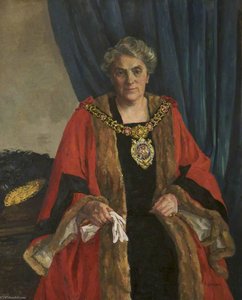
Consider Henry Turner Munns' 1895 portrait of Sir Anthony Marshall – a stunning Victorian oil painting housed in Manchester Town Hall. Explore its rich detail & historical context. Also, admire Joseph Boehm’s sculptures celebrating scientific pioneers like Dalton and Joule. These artworks exemplify the Victorian fascination with intellectual achievement and artistic beauty—elements that continue to resonate within the Town Hall's enduring legacy.
By the OriginalUniqueArt.com Editorial Team
Art Quiz
There is only one correct answer for each question.
Question 1:
What architectural style is Manchester Town Hall predominantly known for?
Question 2:
Who designed the magnificent Great Hall murals in Manchester Town Hall?
Question 3:
What is the significance of Abel, the bell housed in Manchester Town Hall's tower?
Question 4:
The Town Hall Extension was built primarily to:
Question 5:
What material constitutes the façade of Manchester Town Hall?
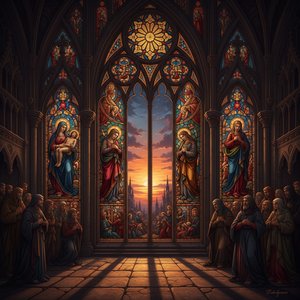
Explore the exquisite beauty & spiritual depth of Late Gothic art (c. 1300-1500). Discover key artists, symbolism, and its lasting influence on the Renaissance. Expert insights at OriginalUniqueArt.
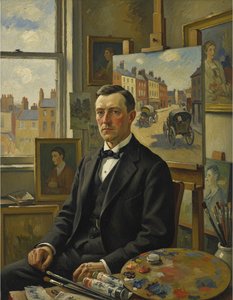
Explore the life & work of Robert Bevan, a pioneer of British Post-Impressionism and founding member of the Camden Town Group. Discover his vibrant landscapes and lasting impact on early 20th-century art.
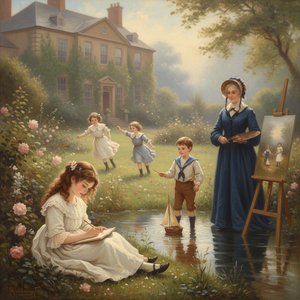
Explore the life & art of James Sant (1820-1916), renowned Victorian portraitist to Queen Victoria. Discover his captivating depictions of childhood, landscapes, and aristocratic society. Learn about his legacy & find fine art reproductions.