

A Journey Through Time: The Byzantine and Christian Museum
Nestled in the heart of Athens, Greece, the Byzantine and Christian Museum stands as a testament to centuries of artistic brilliance and spiritual devotion. Established in 1914 on the first floor of the Academy of Athens—a location that itself embodies Greek intellectual history—the museum’s story began modestly but blossomed into one of unparalleled significance for anyone captivated by the visual arts and religious iconography.
- Architectural Legacy: The museum's permanent home is Villa Ilissia, a stunning neo-classical villa designed in 1848 by Stamatios Kleanthis for Duchess Marie Bonaparte. Renovated extensively in 2004 to accommodate its expanding collection, Villa Ilissia provides an exquisite setting—a tranquil oasis of greenery and elegance—that enhances the visitor’s experience immensely.
- A Treasure Trove of Byzantine Art: With over 25,000 exhibits spanning from the early Christian era through the Late Middle Ages, the museum's collection is truly extraordinary. It represents a comprehensive panorama of artistic styles and techniques developed during this pivotal period in European history.
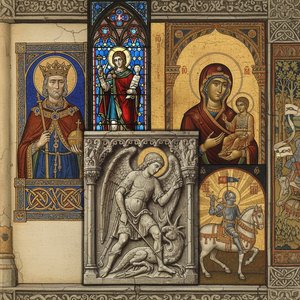
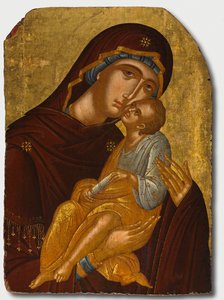
The Museum’s Specializations & Collection Highlights are centered around Byzantine art, specifically icons—a breathtaking array representing diverse artistic traditions and stylistic evolution across time. These icons aren't merely decorative objects; they are conduits of faith, meticulously crafted to convey theological narratives and spiritual symbolism. Alongside them reside remarkable frescoes depicting biblical scenes with vibrant colors and intricate detail, offering invaluable insights into the beliefs and artistic sensibilities of Byzantine artists.
- Sculptures: Admire sculptures in wood, ivory, and other materials—testaments to the skill and artistry of Byzantine sculptors who skillfully captured human form and religious themes.
- Manuscripts & Scriptures: Explore illuminated manuscripts and ancient scriptures that illuminate the intellectual landscape of Byzantium, showcasing elaborate calligraphy and vibrant illustrations.
What distinguishes the Byzantine and Christian Museum from other institutions is its singular focus on preserving and presenting this distinctive artistic heritage. It’s more than just a collection; it's an immersive encounter with a civilization that profoundly shaped Western culture—a civilization characterized by unwavering faith, opulent patronage, and unparalleled artistic achievement. Located within Villa Ilissia, the museum invites visitors to contemplate the enduring power of art to communicate spiritual truths and commemorate historical moments.
Furthermore, consider exploring related museums like Athens Archaeological Museum and Altes Museum for comparative perspectives on ancient Greek and European art history.