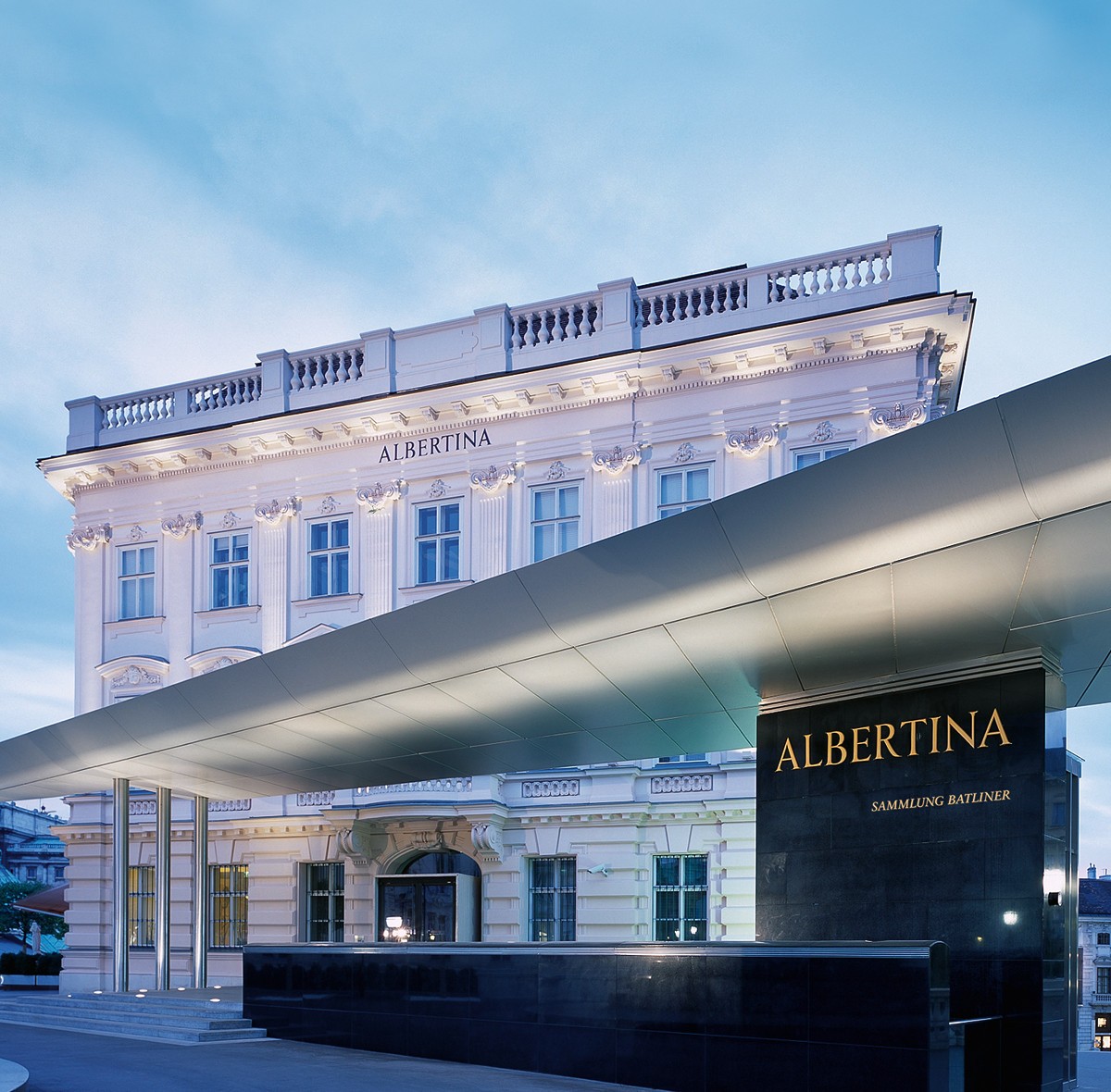
The most famous artists with works in Albertina are Rembrandt, Michelangelo, Claude Monet and Albrecht Dürer.
Our catalogue lists 219 works of Albertina by 79 artists; the 25 best known are ranked below, each with the works the museum holds.
The masters of the originals
The 10 masters whose originals hang in Albertina
For each master: where and when they were born, their movement, how many originals the museum keeps in our catalogue, a note from their life, and the originals to see.
-
Baroque
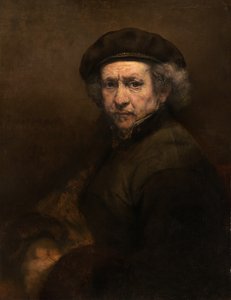
1. Rembrandt 1606–1669
1606–1669 Born in Leiden, Netherlands Baroque 4 originals at Albertina
Born on 15 July 1606 in Leiden, in the Dutch Republic, Rembrandt van Rijn entered a world of modest means. By the time he died on 4 October 1669, he had left behind a vast legacy that includes about 300 paintings, 300 etchings, and several hundred drawings. By 1625, the young artist had moved beyond his apprenticeship and opened a studio in Leiden. A significant shift occurred in 1631 when he moved to Amsterdam.
Originals at Albertina
-

High Renaissance
2. Michelangelo 1475–1564
1475–1564 Born in Caprese Michelangelo, Italy High Renaissance 4 originals at Albertina
Born in 1475, Michelangelo di Lodovico Buonarroti Simoni spent his early years near Settignano, where his father owned a quarry. There, among the ancient Greek and Roman fragments, he studied how light falls across muscle and bone. By the time he reached Rome in 1496, he was already carving figures that possessed a heavy, palpable presence.
Originals at Albertina
-
Impressionism
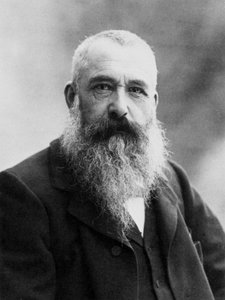
3. Claude Monet 1840–1926
1840–1926 Born in Paris, France Impressionism 3 originals at Albertina
Born in Paris, France, on 14 November 1840, Claude Monet entered a world of diverging expectations. Tragedy arrived in January 1857, when Monet was sixteen years old. In 1883, Monet moved to a house and property in Giverny, a village northwest of Paris. In 1892, he married Alice Hoschedé, a union that provided a sense of stability as he continued his obsessive study of light and atmosphere.
Originals at Albertina
-
Northern Renaissance
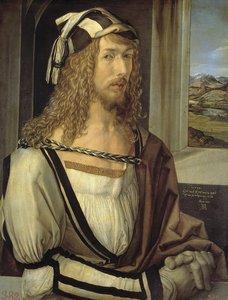
4. Albrecht Dürer 1471–1528
1471–1528 Born in Nuremberg, Germany Northern Renaissance 19 originals at Albertina
While his father might have envisioned a life spent working with precious metals, the boy possessed a different kind of hunger. Even as a child, his talent was evident, appearing in early works such as a silverpoint self-portrait from about 1484. In the bustling streets of Nuremberg, the boy Albrecht was shaped by the steady, disciplined rhythm of his father's workshop.
Originals at Albertina
-

High Renaissance
5. Raphael 1483–1520
1483–1520 Born in Urbino, Italy High Renaissance 5 originals at Albertina
Upon his arrival in Florence in 1504, the young painter entered a city defined by the presence of giants. Between 1504 and 1507, he produced a series of Madonnas that demonstrated a growing mastery of composition and emotional clarity. Following the death of Donato Bramante in 1514, he was appointed architect in charge of St. Peter's, a position that reflected the immense trust placed in his ability to organize and execute complex, large-scale projects.
Originals at Albertina
-

Expressionism
6. Edvard Munch 1863–1944
1863–1944 Born in Ådalsbruk, Norway Expressionism 2 originals at Albertina
Edvard Munch was a Norwegian painter whose life was deeply tied to the landscapes and the heavy atmosphere of his homeland. Edvard Munch was born in 1863 amidst the stark landscapes of Norway. In 1868, his mother died from tuberculosis, a loss that left a heavy mark on the young boy.
Originals at Albertina
-

Art Nouveau
7. Gustav Klimt 1862–1918
1862–1918 Born in Baumgarten, Austria Art Nouveau 58 originals at Albertina
In the small town of Baumgarten, near Vienna, Gustav Klimt was born into a world where the shimmer of metal was a constant presence. In 1876, he entered the Vienna Kunstgewerbeschule, seeking to turn his innate ability into a formal discipline. In 1897, he was chosen as the first president of this defiant group, helping to steer a new direction for the city's artistic soul.
Originals at Albertina
-

Northern Renaissance
8. Pieter Brueghel the Elder 1525–1569
1525–1569 Born in Breda, Netherlands Northern Renaissance 4 originals at Albertina
He was born in or near Breda, likely within the Duchy of Brabant, sometime between 1525 and 1530. By the time he completed his apprenticeship around 1550, the young man had gained the skill necessary to claim his own place among the professionals. Between 1551 and 1552, he was admitted as a free master into the Guild of Saint Luke in Antwerp.
Originals at Albertina
-
Impressionism
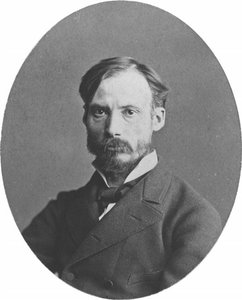
9. Pierre-Auguste Renoir 1841–1919
1841–1919 Born in Limoges, France Impressionism 2 originals at Albertina
Born on February 25, 1841, in Limoges, France, Pierre-Auguste Renoir entered a world of practical craftsmanship. In 1845, the family moved to Paris, seeking the opportunities offered by the capital. When the family moved to Paris in 1845, the necessity of supporting his kin dictated the direction of his youth. By the third exhibition in 1877, his commitment to this new way of seeing was evident as he presented twenty-one paintings to the public.
Originals at Albertina
-

Expressionism
10. Egon Schiele 1890–1918
1890–1918 Born in Tulln an der Donau, Austria Expressionism 10 originals at Albertina
Born on 12 June 1890, he enters a world defined by the rigid structures of the Austro-Hungarian Empire. The life of Egon Schiele is a series of intense, often uncomfortable confrontations with the human condition. By 1909, he is actively challenging the established order, co-founding the Neues Wiener Kunstgruppe and the Neukunstgruppe. Portrait of Leopold Czihaczek, 1907 Portrait of the Art Critic, Arthur Roessler, 1910 Composition with Three Male Nudes, 1910
Originals at Albertina


The masters, continued
No. 11 to No. 25: more masters of Albertina
-

Baroque landscape painter of luminous sunlight and idealized scenes of classical antiquity, often featuring Roman ruins and tranquil harbors.
-
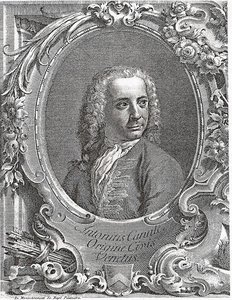
Venetian vedutista of precise architectural views and luminous cityscapes of canals and squares, capturing light on stone and water.
-

Venetian Rococo master of luminous frescoes, known for airy, swirling compositions in pale blue and rose that dissolve heavy ceilings into sky.
-

French Rococo painter of luminous, pastel mythological scenes and idyllic landscapes, known for his voluptuous and amorous subjects.
-

French Rococo painter of playful, sensual scenes rendered with luminous, rapid brushwork and a sense of exuberant, fleeting movement.
-

French Neo-Impressionist known for luminous seascapes and rhythmic Pointillist dots that blend color through the viewer's eye.
- Venice, the Pink Cloud (1909)
- Antibes (1911)
- Venice, the Pink Cloud, 1909 (1909)
-

Swiss Romanticist of the subconscious, known for haunting, dreamlike scenes and dramatic tension in works like The Nightmare.
-

- Head of Smiling Girl (1765)
- A Father Curses hos Ungrateful Son, 1777 (1777)
- Boy with a Broken Egg (1756)
-
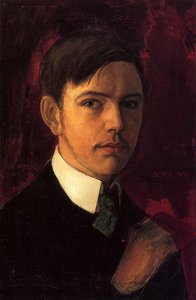
German Expressionist of Der Blaue Reiter known for rhythmic forms and luminous colors, capturing the essence of light in Tunisian landscapes.
-

20. Alexej von Jawlensky
Expressionism
1864–1941 · born in Torzhok, Russia · 2 originals at Albertina
Russian Expressionist known for rhythmic, simplified color fields and the mystical, abstracted essence of the human face.
- Young Girl with a flowered hat (1910)
- Still Life with Bottle (1915)
-

Italian Renaissance painter blending Mannerism and Baroque in emotive religious scenes and Madonnas with soft, opalescent renderings.
-

Dutch Golden Age maritime painter of realistic stormy seas and intense naval battles, known for studying waves from open boats.
-

23. Aelbert Cuyp
Dutch Golden Age
1620–1691 · born in Dordrecht, Netherlands · 2 originals at Albertina
Dutch Golden Age painter of serene riverside scenes bathed in a warm, golden light that captures the tranquil essence of the Netherlands.
- View of Arnhem from the South (1646)
- Reclining Dog (1645)
-

Dutch Golden Age painter of intricate landscapes, botanical studies, and rare fauna, including famous depictions of the extinct dodo bird.
-

Austrian landscape and architectural painter known for realistic watercolors of the Alps and the soft, atmospheric light of Impressionism.
- View of the Alservorstadt, 1872 (1872)
- The Josef square in Vienna (1831)
- View of Ischl (1830)
Famous artists in Albertina, No. 26 to 32
 Adriaen van Ostade1610–1685 · 2 originals at Albertina
 Otto Mueller1874–1930 · 2 originals at Albertina
 Peter Fendi1796–1842 · 3 originals at Albertina
 Alfred Kubin1877–1959 · 2 originals at Albertina
 Josef Kriehuber1800–1876 · 2 originals at Albertina
 Jakob Alt1789–1872 · 2 originals at Albertina
 Cornelis Vroom1591–1661 · 2 originals at Albertina
The house in figures
The masters of Albertina, in figures
The masters with the most originals at Albertina
Masters with two originals or more, by century of birth
Masters with two originals or more, by country of birth
Masters with two originals or more, by movement
Two houses
Albertina or the Kunsthistorisches Museum: whose originals are where
Albertina
- Masters in our catalogue
- 79
- Originals
- 219
- The masters to know
- Rembrandt, Michelangelo, Claude Monet, Albrecht Dürer
- Most originals by
- Gustav Klimt (58), Albrecht Dürer (19), Egon Schiele (10)
The Kunsthistorisches Museum
- Masters in our catalogue
- 772
- Originals
- 2,205
- The masters to know
- Rembrandt, Albrecht Dürer, Caravaggio, Raphael
- Most originals by
- Pieter Brueghel the Elder (71), Ferdinand van Kessel the Elder (50), Titian (36)
Asked of us
Questions on the masters of Albertina
Open a question to read the answer.
Who is the best-known artist of Albertina?
Rembrandt (1606–1669): our catalogue holds 4 works by Rembrandt at Albertina, among them Cottages under a Stormy Sky, The Prophet Jonah before the Walls of Nineveh and An Elephant, 1637. Michelangelo and Claude Monet follow.
What did Rembrandt paint that hangs in Albertina?
4 works by Rembrandt at Albertina are in our catalogue: Cottages under a Stormy Sky (1635), The Prophet Jonah before the Walls of Nineveh (1655), An Elephant, 1637 (1637) and A Young Woman Having Her Hair Braided (1635) among them.
Which Michelangelo works are in Albertina?
4 works by Michelangelo at Albertina are in our catalogue: Lamentation (recto) (1530), Two Nude Studies of a Man Storming Forward and Another Turning to the Right (verso) (1504), Seated Young Male Nude and Two Arm Studies (recto) (1510) and Three Standing Men in Wide Cloaks Turned to the Left (recto) (1496) among them.
Which Claude Monet works are in Albertina?
3 works by Claude Monet at Albertina are in our catalogue: Water Lilies (1919), The House among the Roses (1917) and View over Vetheuil (1881) among them.
Which famous artists are displayed in Albertina?
The ten best-known artists with works in Albertina are Rembrandt (4), Michelangelo (4), Claude Monet (3), Albrecht Dürer (19), Raphael (5), Edvard Munch (2), Gustav Klimt (58), Pieter Brueghel the Elder (4), Pierre-Auguste Renoir (2) and Egon Schiele (10).
Which artist has the most works in Albertina?
Gustav Klimt (1862–1918), with 58 works in our catalogue of Albertina, ahead of Albrecht Dürer (19), Egon Schiele (10) and Rudolf von Alt (9).
Are there Pablo Picasso works in Albertina?
No: Albertina holds no work by Pablo Picasso in our catalogue.
Does Albertina have any Vincent van Gogh paintings?
No: Albertina holds no work by Vincent van Gogh in our catalogue.
Should I visit Albertina or the Kunsthistorisches Museum for the painters?
For Rembrandt, Michelangelo and Claude Monet, Albertina; for Rembrandt, Albrecht Dürer and Caravaggio, the Kunsthistorisches Museum. Our catalogue lists 79 artists at Albertina and 772 at the Kunsthistorisches Museum.
Where do the artists of Albertina come from?
By country of birth, the artists with two works or more at Albertina are mostly from France (7), Netherlands (5), Italy (5), Austria (5) and Germany (4).
From which period are the artists of Albertina?
Most of the artists with two works or more at Albertina were born in the 19th century (11 artists); the earliest in this ranking is Albrecht Dürer (1471–1528), the latest Egon Schiele (1890–1918).
How many artists does the collection of Albertina cover?
79 artists have at least one work of Albertina in our catalogue; 32 have two or more. They were born between 1471 and 1890, in 8 countries.
The house
Albertina, Vienna, in a few lines
The History and Origins of Albertina
The history of the Albertina begins with the architectural evolution of a site in Vienna's Innere Stadt. In 1744, Emanuel Teles Count Silva-Tarouca refurbished the building, which then became known as Palais Taroucca. The structure later served as a residence for Albert Casimir, Duke of Teschen. It was under his lineage that the foundation for the current institution was laid. The collection was established in 1776 by Duke Albert of Saxony-Teschen. This assembly of works was organized in collaboration with Giacomo Durazzo. The acquisition of these early pieces helped define the institution's focus on graphic arts. In 1921, the building was officially renamed the Albertina.
The Architecture of the Historic Palace
The foundations of the Albertina are built upon the Augustinian Bastion, a former section of the fortifications of Vienna. This strategic placement within the city's defensive walls has shaped the physical presence of the site for centuries. The building's structural evolution reflects a deliberate blend of Baroque grandeur and Neoclassical restraint. These layers of design reflect the changing needs of the palace as it transitioned from a private residence to a public institution. The palace underwent significant modifications over several centuries. In 1744, Emanuel Teles Count Silva-Tarouca refurbished the building, establishing its character as a grand residence. Later, Louis Montoyer extended the structure, adding to its architectural complexity. This history of expansion created a dialogue between different stylistic periods, where the stately interiors meet the formal logic of Neoclassical design. A modern intervention defines the building's silhouette today. In 2008, the completion of Hans Hollein’s transformative roof design introduced a sharp contrast to the historic masonry. This addition features a striking titanium-clad modernity that sits atop the traditional structure.
The famous originals of AlbertinaAlbertina: the full page, 227 originalsThe museums of Vienna
How the masters of the originals are ranked
The masters with two originals or more of Albertina in our catalogue are ranked by fame: the Wikipedia language editions that describe them, the visits to their OriginalUniqueArt.com page and our studio's ranking. Originals are counted in our catalogue — one entry per work, without details, studies or copies — not in the museum's inventory. Every date, birthplace and movement is the catalogue's; the notes are drawn from the master's biography.
Go on