A Living Chronicle of Roman Artistry
To step into the Accademia di San Luca is to enter a sanctuary where the pulse of Roman art history beats with enduring strength. More than a mere repository for static relics, this institution serves as a living chronicle, etched in layers of pigment and carved from fine marble. Its origins, rooted in the late sixteenth and early seventeenth centuries, trace back to the Compagnia di San Luca , a guild established to foster technical mastery and intellectual rigor among painters and sculptors. Dedicated to Saint Luke, the patron saint of artists, the Academy was founded upon the profound conviction that art possesses a divine capacity to elevate the human spirit. This sacred devotion to the craft has shaped its identity for centuries, transforming it from a professional guild into one of the most significant pillars of Italian artistic heritage.
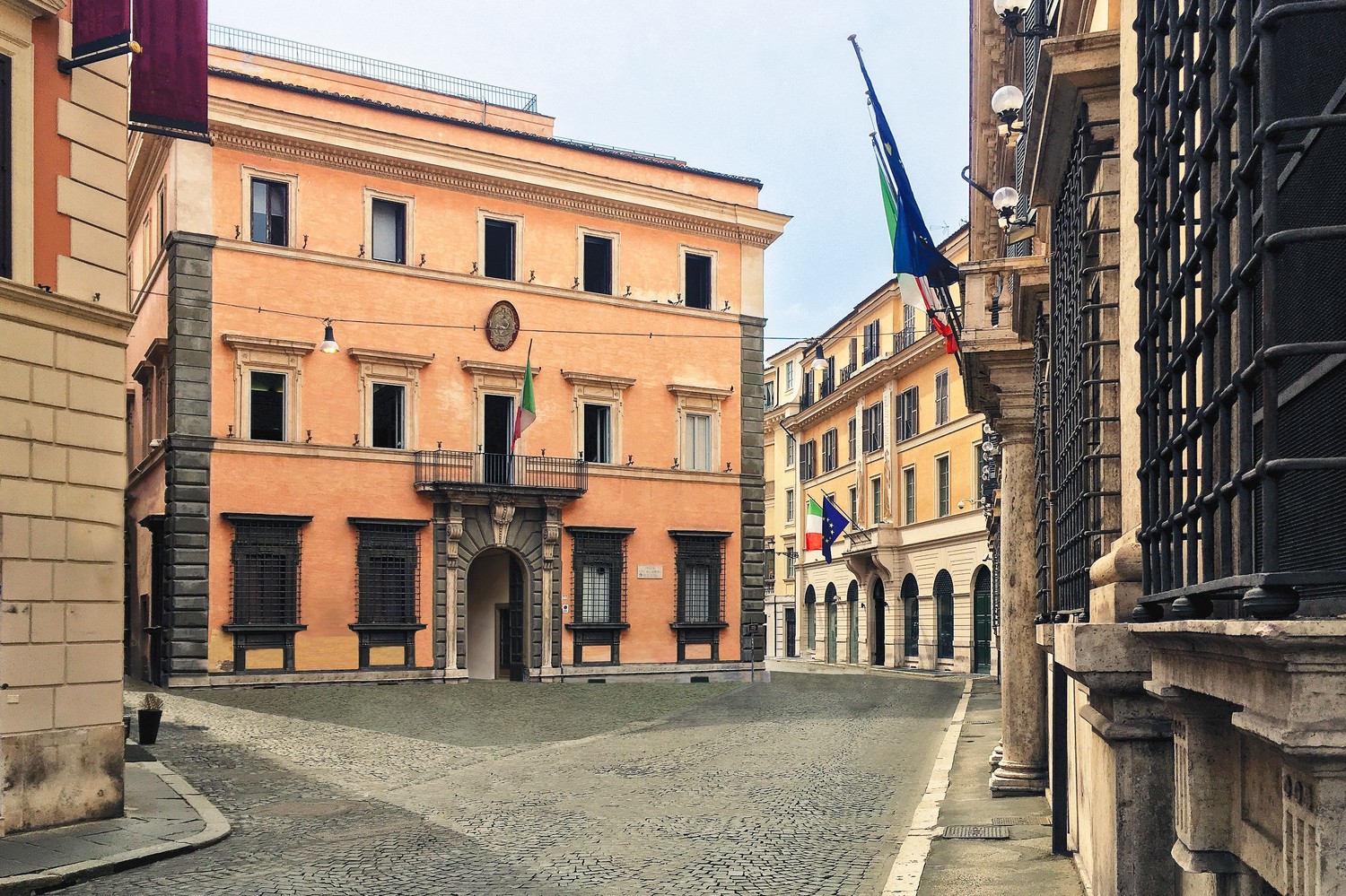
The Academy’s current residence, the magnificent Palazzo Carpegna, offers an architectural embrace that mirrors the grandeur of the Renaissance ideals of harmony and proportion. As visitors wander through its stately halls, they are enveloped by a space designed not merely to house collections but to actively stimulate the creative intellect. The palazzo’s façade, a masterful display of classical ornamentation, stands as a silent sentinel of Rome's commitment to refinement. While the Academy’s historical roots lie near the Roman Forum—evidenced by the nearby church of Santi Luca e Martina, designed by the legendary Pietro da Cortona—the relocation to Palazzo Carpegna in 1934 provided the necessary expanse for its expanding scholarly and artistic pursuits, creating an environment where history and modernity exist in a seamless, elegant dialogue.
Masterpieces and the Mirror of Identity
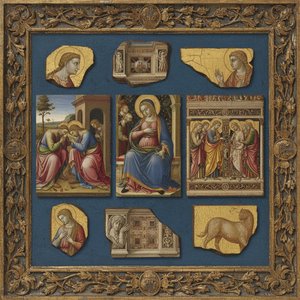
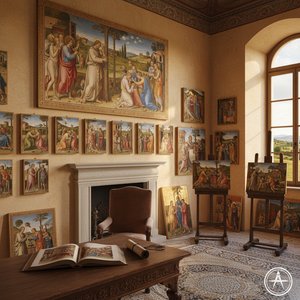
The collection held within these walls is nothing short of extraordinary, offering a breathtaking breadth that spans the evolution of Roman Baroque and beyond. Collectors and art enthusiasts will find themselves captivated by works from the hands of undisputed masters such as Bernini and Pietro da and Cortona, whose ability to manipulate light, shadow, and form continues to inspire awe. Yet, perhaps the most intimate treasure of the Accademia is its remarkable assemblage of self-portraits donated by generations of its members. These portraits transcend simple physical likeness; they are profound meditations on identity and the artist's struggle with their craft. Each face serves as a window into the soul of the creator, documenting the evolution of artistic practice through a visual record of those who honed their skills within this very institution.
Beyond its permanent holdings, the Accademia di San Luca remains a vibrant center for contemporary artistic discourse. Through notable exhibitions that showcase both canonical masterpieces and emerging talents, the Academy fosters a continuous dialogue between the past and the present. This commitment to nurturing innovation is bolstered by an immense scholarly resource: a library housing over 50,000 volumes on painting, sculpture, and architecture. For the interior designer or the dedicated scholar, this intersection of historical depth and contemporary relevance makes the Academy a unique destination. It is a place where one does not simply observe art but experiences its profound resonance, discovering an inspiration that transcends time itself.