
A Journey Through Dutch Art & History: The Aartsbisschoppelijke Musea of Utrecht
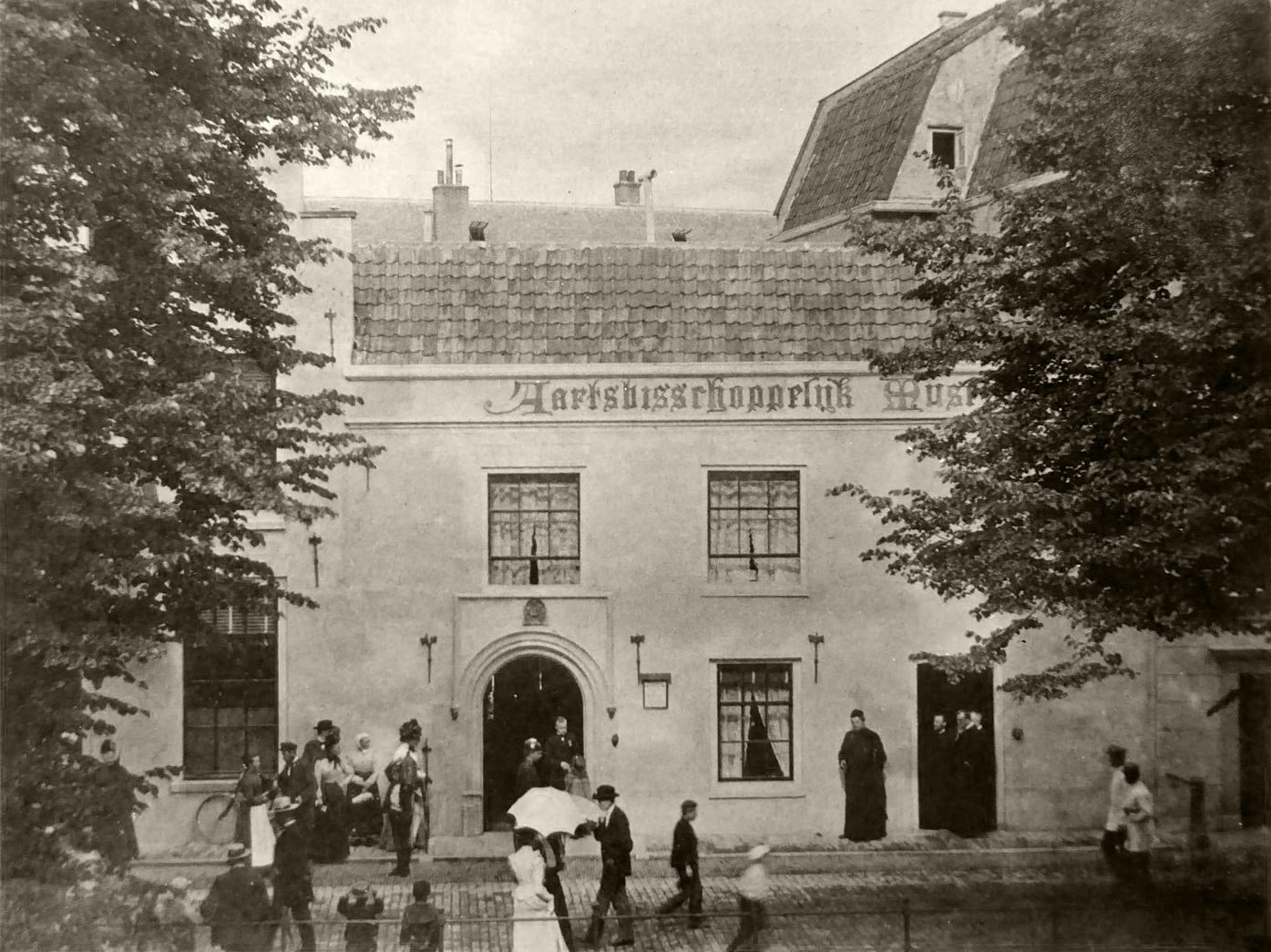
Nestled within the historic heart of Utrecht, the Aartsbisschoppelijke Musea offer a profoundly rewarding experience for those seeking an intimate connection with the soul of Dutch art and its interwoven history. More than simply a repository of paintings, this museum is a portal into the religious, cultural, and civic life that shaped the Netherlands from the 16th century onwards. Its unique focus – a deep dive into Dutch artistic expression specifically within the context of ecclesiastical institutions and pivotal historical events – sets it apart from larger, more general art museums, providing visitors with a nuanced understanding rarely found elsewhere.
The museum’s origins are inextricably linked to the Catholic Archdiocese of Utrecht, a legacy that permeates every corner of its collection. Founded in 1872 as the Aartsbisschoppelijk Museum, it began as a private collection assembled by Archbishop Andreas Schaepman and his predecessor, Bishop Gerard van Heukelum. Their passion for preserving and showcasing religious art – from intricately carved ivory to monumental altarpieces – formed the bedrock of what would become a truly exceptional institution. The museum’s initial home was Huis Loenersloot, a magnificent 17th-century building on the Nieuwegracht, which still echoes with the stories of its past residents and the treasures they amassed.
Masters of Light & Faith: Key Collection Highlights
The Aartsbisschoppelijke Musea’s collection is characterized by an extraordinary concentration of works from some of the Netherlands' most celebrated artists. Rembrandt van Rijn, a name synonymous with Dutch Golden Age painting, holds a particularly prominent place within its walls. The museum proudly displays two remarkable pieces by the master: ‘Lapidation De St Etienne, utrecht,’ a dramatic depiction of martyrdom, and ‘Baptême De L Ennuque, utrecht,’ an intimate portrait capturing the tenderness of familial bonds. These works exemplify Rembrandt’s masterful use of light and shadow, his ability to imbue ordinary subjects with profound emotional depth, and his pioneering approach to portraiture.
Beyond Rembrandt, visitors will encounter a wealth of other masterpieces. Pieter Jansz Saenredam's stunning interiors of the Mariakerk in Utrecht are a highlight, offering breathtakingly detailed depictions of the church’s architectural grandeur – a testament to the artist’s meticulous observation and artistic skill. The collection also boasts significant works by Herman Hendricksz van Vollenhoven, whose Baroque style is characterized by dramatic compositions and rich color palettes, and Joseph-Denis Odevaere's ‘The Union of Utrecht,’ a pivotal historical painting commemorating the treaty that laid the foundation for the Dutch Republic. Furthermore, the museum’s holdings include captivating cityscapes by Willem Roelofs, offering glimpses into everyday life in 17th-century Utrecht.
A Window on Utrecht: Architecture and Historical Context
While specific architectural details of the museum building itself may not be extensively documented, its location within Utrecht – a city steeped in history and renowned for its canals and medieval architecture – provides an immediate sense of context. The surrounding area offers a beautiful backdrop for exploring Dutch culture, inviting visitors to wander along the picturesque waterways and discover hidden gems beyond the museum walls.
The Aartsbisschoppelijke Musea’s historical significance extends far beyond its artistic holdings. As a direct descendant of the Catholic Archdiocese of Utrecht, the museum offers invaluable insights into the religious, political, and social landscape of the Netherlands for centuries. The collection serves as a tangible link to the city's rich past, reflecting the influence of key figures such as Archbishop Andreas Schaepman and the pivotal events that shaped Dutch identity – including the signing of the Union of Utrecht in 1579.
Beyond the Paintings: Unique Exhibitions & Future Directions
The museum regularly hosts temporary exhibitions that delve deeper into specific themes within its collection, offering fresh perspectives on Dutch art and history. These events often explore connections between religious iconography, historical events, and artistic techniques, providing visitors with a more comprehensive understanding of the museum’s holdings. Furthermore, the Aartsbisschoppelijke Musea actively seeks to engage new audiences through innovative programming, including lectures, workshops, and family-friendly activities.
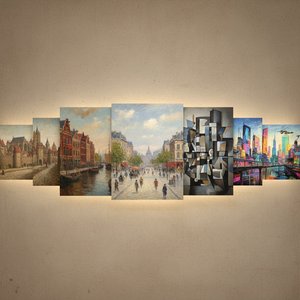
For art enthusiasts, history buffs, and anyone seeking an authentic cultural experience, the Aartsbisschoppelijke Musea of Utrecht promises a journey of discovery – a chance to immerse oneself in the beauty, complexity, and enduring legacy of Dutch art and its profound connection to the nation’s past. Hand-painted reproductions of these masterpieces are available for purchase, allowing visitors to bring a piece of this remarkable collection into their own homes.