The Ancient Roots of Replication: Copying as Learning and Preservation
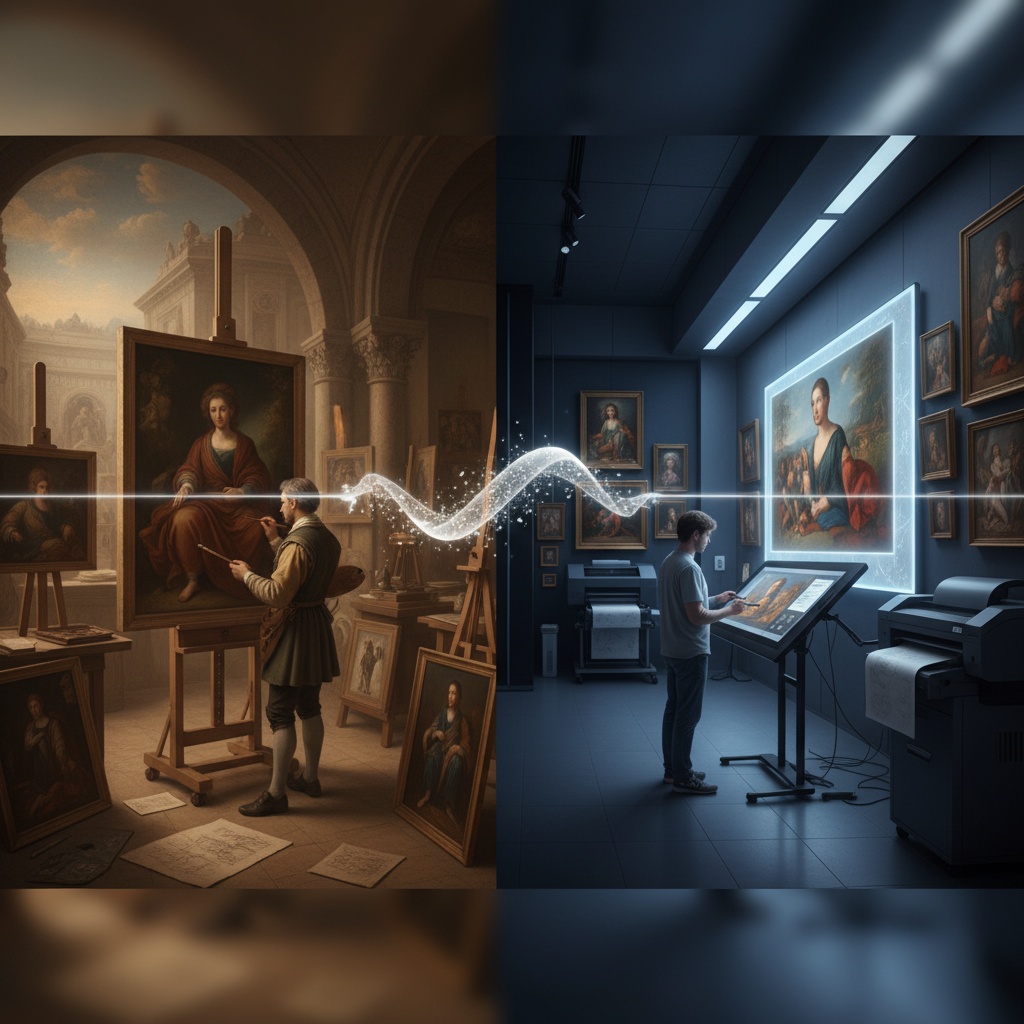
Long before the advent of photography, mechanical reproduction, or even readily available pigments, the impulse to replicate art was deeply ingrained in human culture. This wasn’t merely about possessing a likeness; it was fundamentally tied to learning, reverence, and the preservation of artistic knowledge. In ancient civilizations – Rome, Greece, Egypt – skilled artisans didn't simply *copy* masterpieces; they engaged in a rigorous process of emulation. Plaster casts were ubiquitous, allowing for widespread dissemination of sculptural forms, not as substitutes for originals but as tools for study. Apprentices meticulously recreated paintings, not to deceive, but to internalize the master’s techniques—the layering of color, the subtle gradations of light and shadow, the very *hand* of the artist. Consider the Roman copies of Greek statues; while we lament their distance from the original intent, they offer invaluable insight into lost works and demonstrate a profound respect for artistic achievement. These early forms of replication weren’t about creating a market; they were about sustaining a tradition, ensuring that beauty and skill endured through generations.
Mechanical Reproduction & Walter Benjamin’s ‘Aura’: A Paradigm Shift in Art History
The 1935 essay “The Work of Art in the Age of Mechanical Reproduction” by Walter Benjamin irrevocably altered our understanding of art's place in society. Benjamin argued that the ability to reproduce artworks on a mass scale—through photography, lithography, and other emerging technologies—fundamentally devalued their *aura*, that unique sense of authenticity tied to an object’s history, ritualistic value, and singular existence. He posited that this loss wasn't necessarily negative; rather, it democratized art, freeing it from the confines of religious or aristocratic patronage and placing it within reach of a wider audience. However, this democratization came at a cost—the erosion of the artwork’s inherent authority and its increasing integration into the realm of politics and consumer culture. The implications are still felt today; we live in an age saturated with images, where originality is often questioned and reproduction has become commonplace. Benjamin's work compels us to consider what truly constitutes art in a world where copies abound.
From Engraving to Photography: The Democratization of Artistic Imagery
The invention of the printing press in the 15th century marked a turning point, but it was the subsequent development of engraving and woodcut techniques that truly began to democratize artistic imagery. Artists like Albrecht Dürer masterfully employed these methods, creating intricate prints that circulated widely throughout Europe, allowing access to their work beyond the elite circles who could afford original paintings or sculptures. These weren’t simply reproductions; they were artworks in their own right, requiring a distinct skillset and aesthetic sensibility. The 19th century witnessed another revolution with the advent of photography. Suddenly, perfect likenesses could be captured with unprecedented speed and accuracy. This not only challenged traditional notions of artistic representation but also fueled the growth of art publishing and criticism. Photography allowed for the study of artworks in detail, fostering a deeper appreciation for technique and style. It also paved the way for new forms of visual culture, blurring the lines between art, documentation, and mass media.
The Rise of Handmade Reproductions: Bridging the Gap Between Originality and Accessibility
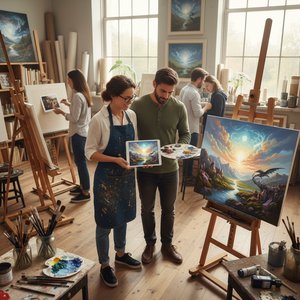
While mechanical reproduction undeniably altered the landscape of art, it simultaneously sparked a renewed appreciation for the unique qualities of handmade artistry. Throughout history, and continuing today, skilled artists have dedicated themselves to recreating masterpieces—not as mere copies, but as interpretations imbued with their own technical prowess and artistic sensibility. This practice isn’t about forgery; it's about honoring the legacy of great painters and making their work accessible to a broader audience who may not be able to acquire an original. The meticulous process – sketching, layering oils on canvas, carefully matching color palettes—requires years of training and a deep understanding of art history. These reproductions offer a tangible connection to the past, allowing collectors to experience the beauty and emotional resonance of iconic artworks in their own homes. The value lies not in deception but in skillful execution and a genuine passion for artistic tradition.
Technological Advancements in Modern Replication: Pictography, Digital Fidelity & Beyond
 Wikipedia: The Work of Art in the Age of Mechanical Reproduction
"The Work of Art in the Age of Mechanical Reproduction" (German: Das Kunstwerk im Zeitalter seiner technischen Reproduzierbarkeit) (1935), by Walter Benjamin, is an essay of cultural criticism which proposes and explains that mechanical reproduction ...
Today’s replication techniques represent the pinnacle of artistry and innovation. Methods like pictography combine advanced digital scanning with traditional painting techniques to achieve an astonishing level of fidelity. This process involves capturing every nuance of the original artwork—brushstrokes, textures, even subtle craquelure—and then meticulously recreating it on canvas by skilled artisans. Digital art reproduction has also evolved significantly, offering high-resolution prints that faithfully capture the colors and details of original paintings. Giclée printing, utilizing archival inks, ensures longevity and vibrancy for decades to come. These advancements aren’t about replacing originals; they're about providing collectors with options—from affordable prints to museum-quality reproductions that closely resemble the texture and depth of an oil painting. The goal is to bridge the gap between accessibility and authenticity, allowing art lovers to experience masterpieces in a way that suits their individual preferences and budgets.
Collecting Copies Today: Value, Authenticity, and the Enduring Appeal of Art’s Legacy
The question of value when collecting reproductions is complex. While a handmade oil painting reproduction will never possess the same monetary worth as an original Rembrandt or Van Gogh, it holds intrinsic artistic value—the skill of the artist, the quality of materials, and the emotional connection it evokes. Authenticity in this context lies not in claiming originality but in transparency about the process and the provenance of the reproduction. Collectors increasingly seek out reproductions created by skilled artisans with a proven track record and a deep understanding of art history. The enduring appeal of collecting copies stems from a desire to connect with artistic heritage, to surround oneself with beauty, and to support living artists who are dedicated to preserving traditional techniques. At OriginalUniqueArt, we believe that art should be accessible to everyone, and our commitment to quality, craftsmanship, and transparency ensures that every reproduction is a testament to the enduring legacy of artistic expression. Explore our collection today and discover how you can bring the masterpieces of history into your home.