



Understanding Loss vs. Matte Varnish: A Comparative Analysis for Fine Art Reproductions
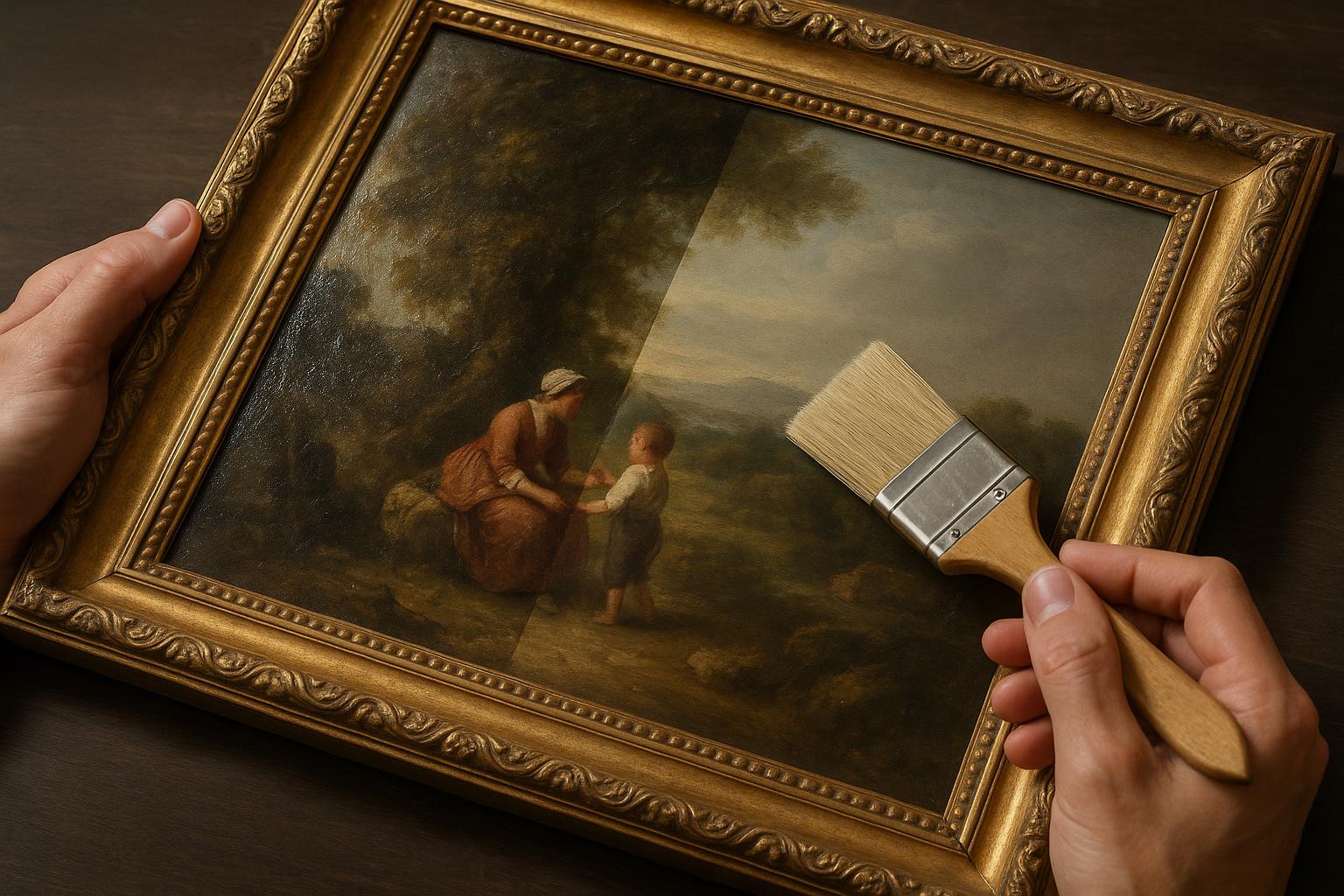
For the discerning collector, the final finish of an art reproduction is as crucial as the painting itself. The choice between a loss varnish and a matte varnish significantly impacts the visual experience, longevity, and overall value of your investment. This section will delineate the key differences, benefits, and drawbacks of each approach, specifically within the context of ’s commitment to exceptional quality.- Loss Varnish: Historically applied in the Old Masters' era, a loss varnish creates a subtle depth and luminosity. It enhances color saturation and provides a protective layer against environmental factors. The term "loss" refers to the fact that over time, this varnish can degrade, altering the artwork’s appearance—a characteristic some collectors find desirable for its historical authenticity.
- Matte Varnish: A more contemporary choice, matte varnish minimizes glare and provides a flat, even surface. This finish emphasizes texture and detail, creating a softer, less reflective aesthetic. It offers excellent protection against UV damage and is generally considered more stable than traditional loss varnishes.
The Impact of Finish on Color Depth, Texture, and Overall Aesthetic Appeal – Considerations for the Discerning Collector
Selecting the appropriate finish isn't merely an aesthetic preference; it’s a strategic decision that influences how your artwork interacts with light and complements your interior design.- Color Saturation: Loss varnish tends to deepen colors, creating a richer, more vibrant appearance. Matte varnish, conversely, can slightly subdue colors, resulting in a more muted palette.
- Texture Emphasis: If the artist’s brushstrokes are a key element of the artwork's appeal (as is often the case with Impressionist or Expressionist pieces), matte varnish will accentuate these textural nuances. Loss varnish can subtly soften them.
- Glare Reduction: Matte varnish excels at minimizing glare, making the artwork more comfortable to view in brightly lit environments. Loss varnish, while offering some protection, may still exhibit a degree of reflectivity.
’s Application Process & Quality Control: Ensuring Longevity and Preservation of Your Investment
At , we adhere to rigorous quality control standards throughout the finishing process. Our skilled artisans apply varnishes with precision and expertise, ensuring consistent results across all reproductions.- Material Selection: We utilize only archival-grade varnishes formulated for long-term preservation.
- Application Technique: Multiple thin coats are applied rather than a single thick layer to prevent cracking or yellowing over time.
- Environmental Control: Varnishing takes place in a climate-controlled environment to ensure optimal drying and adhesion.
Customization Options & Client Preferences: Tailoring the Finish to Complement Your Unique Style and Decor
We understand that every collector has unique preferences. offers a degree of customization regarding varnish finish.- Finish Selection: You can explicitly request either loss or matte varnish when placing your order.
- Gloss Level Adjustment (Matte): For matte varnishes, we offer slight variations in gloss level to fine-tune the aesthetic effect.
- Consultation Services: Our art advisors are available to discuss your specific needs and recommend the most suitable finish based on the artwork’s style and your personal taste.
Maintenance & Care Tips: Preserving the Beauty of Your Reproduction for Generations
Proper care is essential to maintain the beauty and integrity of your reproduction over time.- Avoid Direct Sunlight: Prolonged exposure to direct sunlight can cause fading and degradation, regardless of the varnish finish.
- Dust Regularly: Gently dust with a soft, dry cloth to remove surface dirt and debris.
- Professional Cleaning: For more thorough cleaning, consult a professional art conservator who specializes in oil paintings. Never use harsh chemicals or abrasive cleaners.