The Psychological Landscape of Art Acquisition: Collector Motivations & Risk Perception
The psychology of collecting is an area of study that seeks to understand the motivating factors explaining why people devote time, money, and energy making and maintaining collections. There exist a variety of theories for why collecting behavior oc...
The acquisition of art, particularly through commission, is rarely a purely rational act. It’s a deeply personal journey interwoven with aspirations, memories, and a complex interplay of emotional and intellectual desires. Understanding the psychology underpinning this process – the collector's motivations, their inherent risk perception, and the subtle anxieties that accompany significant investment – is paramount to fostering a successful collaboration between artist and patron. For centuries, art has served as more than mere decoration; it’s been a tangible expression of status, belief, and identity. This intrinsic value, however, isn’t always easily quantifiable. Collectors often seek not simply an object of beauty, but a connection – a resonance with the artwork that speaks to their individual narrative. The act of commissioning amplifies this desire for personalization, yet simultaneously introduces a layer of uncertainty: will the artist truly capture their vision? Will the final piece embody the intended meaning and emotional weight? This inherent tension fuels the need for robust processes designed to mitigate risk and build unwavering trust.
Historical Precedents: The Role of Patronage and Preview in Commissioned Artwork
In art, a commission is the act of requesting the creation of a piece, often on behalf of another. Artwork may be commissioned by private individuals, by the government, or businesses. Commissions often resemble endorsement or sponsorship. In classic...
The history of art is, in many ways, a chronicle of commissions. From the monumental architectural projects of ancient Rome – Emperor Vespasian’s Colosseum intended to solidify imperial power through visual grandeur – to the Renaissance masterpieces born from the patronage of wealthy families like the Medici, rulers and individuals alike have shaped artistic creation through direct engagement. However, even in these eras, the process wasn't without its safeguards. While detailed contracts outlining specifications were common, a more nuanced form of ‘preview’ existed through sketches, preliminary studies (disegni), and ongoing dialogue between patron and artist. Consider Leonardo da Vinci’s protracted work on commissions like the Virgin of the Rocks; numerous versions and revisions demonstrate a collaborative refinement process, driven by client feedback and evolving artistic vision. The frescoes commissioned for the Sistine Chapel, though ultimately dictated by papal authority, involved preliminary cartoons and likely ongoing assessment of Michelangelo's progress. These historical examples underscore that transparency and iterative review have always been integral to successful commissions – not merely as contractual obligations, but as essential components of a shared creative journey.
Defining the Stages of Uncertainty: From Initial Concept to Final Delivery
The commissioning process can be dissected into distinct stages, each presenting unique opportunities for uncertainty. The initial phase—conceptualization—often involves translating abstract ideas and emotional aspirations into concrete visual terms. This is arguably the most vulnerable stage, prone to miscommunication and divergent interpretations. Following conceptual agreement comes refinement – the development of sketches, color palettes, and compositional studies. Here, the risk lies in accurately representing the artist’s capabilities and ensuring alignment with the collector's aesthetic preferences. The execution phase itself introduces further anxieties: will the scale be appropriate? Will the materials convey the desired texture and luminosity? Finally, delivery and installation present logistical challenges and the potential for unforeseen issues. Recognizing these distinct stages allows for a proactive approach to risk management, establishing clear checkpoints and fostering open communication throughout.
Multi-Stage Preview Processes: Enhancing Transparency and Collaborative Refinement
 Immersive Atmospheres: Custom Art for Elevated Luxury Interiors
Elevate luxury interiors with bespoke art reproductions & custom paintings from skilled artists. Expert consultation, seamless project management, and museum-quality results. Discover how art transforms spaces.
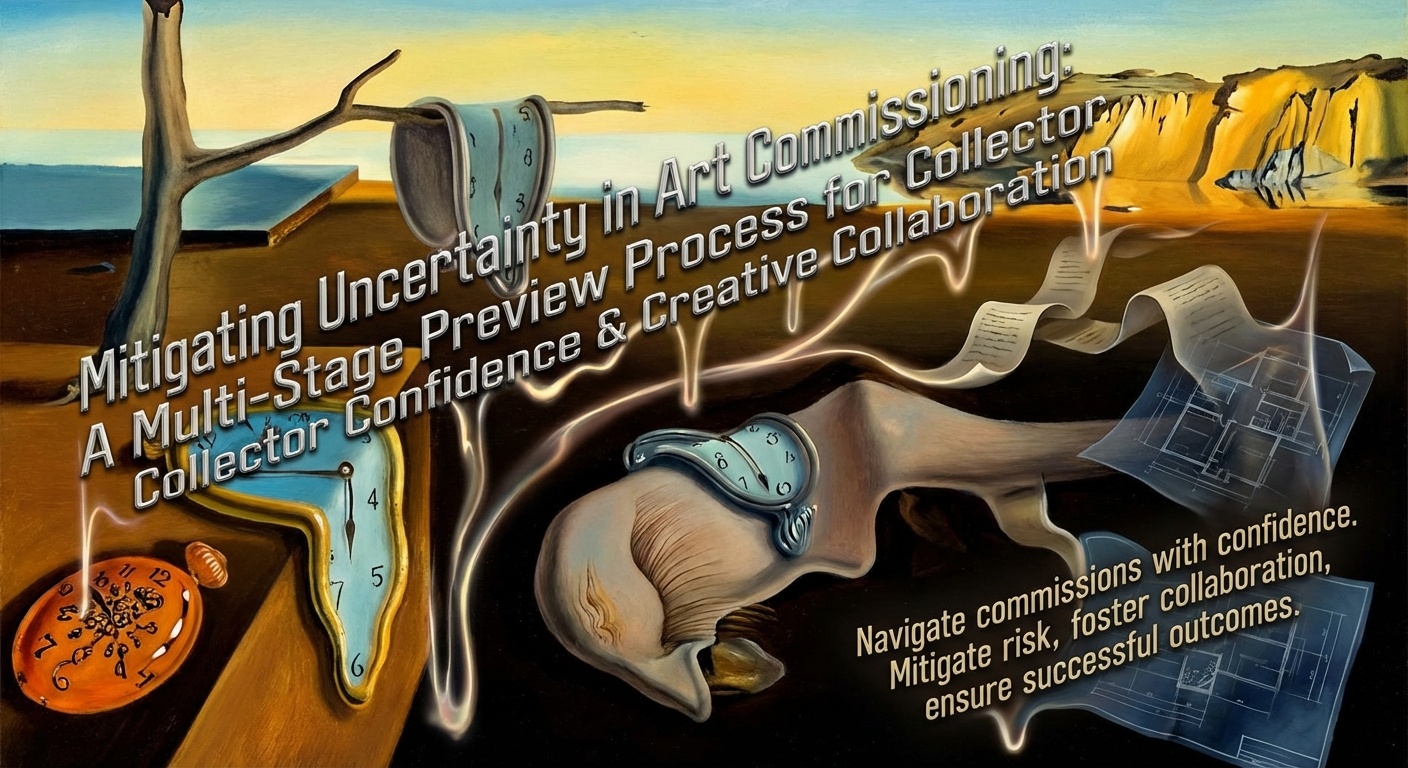
To address the inherent uncertainties of commissioning, a multi-stage preview process is essential. This isn’t simply about presenting finished work; it's about building confidence through incremental validation at each critical juncture. The initial stage should involve detailed mood boards, reference imagery, and preliminary sketches – not merely as illustrations of style, but as catalysts for dialogue. These early explorations allow the collector to articulate their preferences, identify potential concerns, and steer the artistic direction before significant resources are committed. Subsequent stages should incorporate increasingly refined studies, including color proofs, compositional mockups, and even small-scale painted sections (maquettes). Crucially, these previews shouldn’t be presented as definitive statements, but rather as opportunities for collaborative refinement – a chance to explore alternative approaches and address any emerging concerns. The goal is not to dictate the artist's hand, but to ensure that the artwork evolves in harmony with the collector’s vision.
Leveraging Digital Technologies for Remote Review & Accurate Representation
Modern digital technologies offer unprecedented opportunities for remote review and accurate representation throughout the commissioning process. High-resolution photography allows collectors to scrutinize details of sketches, color studies, and work-in-progress paintings with exceptional clarity. Virtual mockups – utilizing augmented reality or 3D rendering software – enable visualization of the artwork within its intended environment, providing a crucial sense of scale and spatial context. Online collaboration platforms facilitate seamless communication between artist and patron, allowing for real-time feedback and iterative refinement. Furthermore, digital color palettes and material simulations can accurately convey the nuances of texture and luminosity, minimizing potential discrepancies between preview images and the final piece. These technologies aren’t merely conveniences; they are powerful tools for bridging geographical distances, fostering transparency, and building trust.
Building Trust Through Communication: The Art Advisor as a Mitigating Factor
Ultimately, successful art commissions hinge on effective communication and a strong foundation of trust. However, navigating the complexities of artistic terminology, technical considerations, and contractual obligations can be daunting for many collectors. This is where the role of an experienced art advisor becomes invaluable. A skilled advisor acts as a neutral intermediary, facilitating clear dialogue between artist and patron, managing expectations, and ensuring that both parties are aligned throughout the process. They possess a deep understanding of artistic techniques, market trends, and legal considerations, providing informed guidance and mitigating potential risks. Moreover, an art advisor can offer objective feedback on preliminary studies, identify potential challenges, and advocate for the collector’s best interests. OriginalUniqueArt.com recognizes the importance of this collaborative dynamic, offering personalized consultations to help collectors navigate every stage of the commissioning process – from initial concept to final delivery, ensuring a seamless and rewarding experience. We believe that art should be an expression of joy, not anxiety, and our commitment is to empower collectors with the knowledge and support they need to realize their artistic vision.