
 Preview
 Send
Send Share
Share
 Details
 Guide
Guide

 Download
 Similars
 X-Ray
X-Ray Diaporama
 Q&A
Q&A Stats
StatsUnfolding Buds


 Read More
Giclée / Art Print
Museum-quality giclée or canvas print with fast production and flexible finish options. ( Buy Hand Made Painting Switch to Digital Image)




P118B $10

P118H $10

P118W $10

P438Z $10

P508JH $12

P508YH $12

P805H $10

P805Z $10

P919BZ $10

P919G $10

P919XJ $10

P959ZH $10

P968JZ $12

W106C $8

W218G $10

W218JH $8

W218Y $10

W307PJ $10

W316G $10

W316PJ $8

W316Y $10

W398PJ $8

W4111J $10

W500HY $15

W500JH $15

W692G $12

W849H $8

W940BG $15

W953PJ $8




Pick from our preset sizes that match the artwork's original proportions.

Type the width and the height you need, to fit your frame or your wall. A print can only be cut, never made bigger than the picture, so a size with a different shape loses a part of the image. We send you a digital mockup to approve before we print anything. The picture shown on this page does not show the real cut — only the mockup does.
Worldwide Delivery () in 2 weeks instead of standard 4/5 weeks. (3 November)

Free Worldwide Express Shipping

High-Quality Linen Canvas

Full Shipping Insurance

Customs Tax Refund Guarantee

True Color Matching Guarantee

100-Day Return Policy (Defects Only)

100% Money-Back Guarantee

Bulk Discount Offer
 Glass option is only available in size under 110 CM

Unfolding Buds
Giclée / Art Print
Reproduction Size
-


Total Price
$ 81
Willard Leroy Metcalf’s “Unfolding Buds”: A Springtime Reverie
Willard Leroy Metcalf's "Unfolding Buds," painted in 1909, isn’t merely a landscape; it’s an exquisitely rendered distillation of springtime’s promise. Housed within the Detroit Institute of Arts, this oil on canvas transports the viewer to a quiet corner of New England, where the nascent energy of renewal permeates every detail. The painting captures a fleeting moment – perhaps early May – as winter's grip loosens and the first tentative blossoms emerge from the earth, hinting at the vibrant life yet to come. Metcalf’s masterful use of light and color establishes an atmosphere of serene contemplation, inviting us to pause and appreciate the subtle beauty of nature’s awakening.
A Master of Impressionistic Detail
Metcalf was a pivotal figure in the American Impressionist movement, deeply influenced by the French masters while simultaneously forging his own distinct style. “Unfolding Buds” exemplifies this approach – a careful balance between direct observation and expressive brushwork. Notice how Metcalf doesn’t simply depict the scene; he captures its *feeling*. The loose, broken strokes of paint create a shimmering effect, particularly in the dappled sunlight filtering through the trees. He employs a technique known as “broken color,” layering thin washes of pigment to build up depth and luminosity, mimicking the way light interacts with surfaces. This method imbues the painting with an almost palpable sense of warmth and vitality.
Symbolism in the Rural Landscape
Beyond its purely aesthetic qualities, “Unfolding Buds” is rich in symbolic meaning. The hillside itself represents fertility and potential – a promise of abundance after the dormancy of winter. The sheep grazing peacefully suggest contentment and harmony with nature. The presence of the dog, likely accompanying the flock, adds a touch of domesticity and companionship to this wild landscape. Even the bare branches of the trees, now adorned with delicate blossoms, speak of resilience and rebirth. Metcalf’s careful selection of elements creates a narrative of renewal and hope, reflecting the universal human desire for growth and transformation.
Historical Context and Artistic Influences
Painted during a period of significant artistic change in America, “Unfolding Buds” aligns with the burgeoning interest in capturing the beauty of the American landscape. Metcalf’s work reflects the influence of artists like Frederic Church and Albert Bierstadt, who had traveled to Europe and returned with a renewed appreciation for Impressionism. However, Metcalf retained a distinctly American sensibility, focusing on scenes closer to home – New England farmsteads, rural landscapes, and the lives of ordinary people. The painting’s quiet intimacy and understated beauty resonated with a growing public appetite for art that reflected contemporary life.
Further research into Willard Leroy Metcalf reveals his dedication to capturing light and atmosphere, often working outdoors “en plein air” to directly observe nature's effects. His membership in the Ten American Painters, a group who rejected the rigid conventions of the National Academy of Design, solidified his commitment to a more modern and expressive approach to art. The Detroit Institute of Arts holds a significant collection of Metcalf’s work, offering a comprehensive view of his artistic development and enduring legacy.
Questions & Answers
What technique was used for "Unfolding Buds", and when was it created?
The medium of "Unfolding Buds" by Willard Leroy Metcalf is oil on canvas, and the work is dated 1909.
What underlying hue runs through "Unfolding Buds" by Willard Leroy Metcalf?
"Unfolding Buds" leans toward a green to violet spectrum tone.
What aliases or alternate names does Willard Leroy Metcalf have?
Other names recorded for Willard Leroy Metcalf, creator of "Unfolding Buds", include Willard Metcalf, W. L. Metcalf.
Artist Biography
A Life Immersed in Light and Landscape
Willard Leroy Metcalf, a pivotal figure in the blossoming of American Impressionism, dedicated his life to capturing the ephemeral beauty of the natural world. Born in Lowell, Massachusetts, in 1858, he wasn’t merely a painter of landscapes; he was a poet of light and atmosphere, translating the quietude of New England scenes and beyond onto canvas with a delicate touch and vibrant palette. His journey as an artist was one of rigorous training, extensive travel, and a profound commitment to portraying intimate moments in nature – fleeting glimpses of beauty often overlooked. Metcalf’s story is not simply about artistic development, but also about finding his voice amidst the evolving currents of late 19th and early 20th-century art, and ultimately, leaving an indelible mark on American Impressionism.From Academic Foundations to European Influences
Metcalf’s formal artistic education began at the School of the Museum of Fine Arts in Boston, where he honed his foundational skills until 1878. This was followed by a crucial period of study at the Académie Julian in Paris, a renowned center for American artists seeking classical training. Initially, Metcalf focused on figure painting and illustration – skills that would later inform his compositions – but it was during his extended sojourn in Europe, beginning in 1883, that his artistic trajectory began to shift decisively towards landscape art. He studied with Gustave Boulanger and Jules-Joseph Lefebvre, absorbing the technical expertise of French academic tradition. However, it wasn’t just formal instruction that shaped his vision; it was immersion in the European landscape itself. Travels through England and Brittany exposed him to diverse light conditions and artistic communities. A particularly significant moment arrived in 1886 when Metcalf became the first American artist to visit Claude Monet's garden at Giverny, a watershed experience that profoundly impacted his approach to capturing light, color, and atmosphere. This encounter wasn’t about imitation, but rather an awakening to the possibilities of portraying the subjective experience of seeing – a cornerstone of Impressionist philosophy.The Rise of an American Impressionist
Upon returning to the United States in 1889, Metcalf began to forge his own distinct style, blending academic training with the lessons learned from European masters and his growing sensitivity to the American landscape. He worked as an illustrator and teacher while continuing to paint, gradually moving away from traditional techniques towards a more expressive and atmospheric approach. His paintings of this period often depict serene scenes of New England life – coastal harbors, quiet villages, and sun-dappled meadows. Critics frequently drew parallels between his work and the poetry of Robert Frost and Walt Whitman, recognizing a shared sensibility for capturing the essence of American experience. In 1897, Metcalf played a pivotal role in the formation of “The Ten American Painters,” a group that seceded from the Society of American Artists to pursue greater artistic independence and experimentation. This act signified a turning point in American art, marking a shift towards a more modern and individualistic aesthetic. Notable works like *Gloucester Harbor* (1895) exemplify his mastery of light and color, while pieces such as *The River Epte, Giverny*, clearly demonstrate the enduring influence of Monet’s garden on his artistic vision.Legacy and Enduring Influence
Willard Leroy Metcalf's contribution to American art extends beyond his captivating paintings. He was a dedicated educator, sharing his knowledge and passion for art by teaching at institutions like Cooper Union School of Art for Women in New York City and the Art Students League of New York. His influence on subsequent generations of artists is undeniable. Metcalf’s ability to capture fleeting moments of beauty and tranquility, combined with his technical skill and poetic sensibility, cemented his place as a significant figure in American art history. He wasn't interested in grand narratives or dramatic compositions; instead, he found inspiration in the everyday – the gentle play of light on water, the subtle hues of a twilight sky, the quiet dignity of rural life. His paintings are not merely representations of landscapes; they are evocations of mood and atmosphere, inviting viewers to share in his intimate connection with nature.A Lasting Impression
Today, Metcalf’s work continues to resonate with audiences worldwide. His paintings can be found in major museum collections across the United States, including the Art Institute of Chicago, the Metropolitan Museum of Art, and the Smithsonian American Art Museum. He remains a celebrated figure in the history of American Impressionism, admired for his technical brilliance, poetic vision, and enduring commitment to capturing the beauty of the natural world.- His paintings often evoke a sense of quiet contemplation.
- He was a founding member of The Ten American Painters.
- Metcalf’s work is characterized by intimate and modest landscapes.
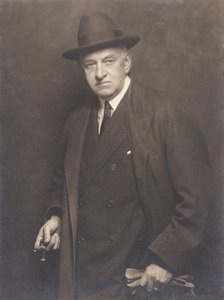
Willard Leroy Metcalf
1858 - 1925 , United States of America
Quick Facts
- Full Name: Willard Leroy Metcalf
- Nationality: American
- Date Of Birth: 1858
- Date Of Death: 1925
- Place Of Birth: Lowell, United States of America
- Notable Artworks:
- Gloucester Harbor
- The Golden Carnival
- Captain Lord House
- The River Epte
- The Lily Pond
- Artistic Movement Or Style: American Impressionism
- Artists Who Influenced This Artist: ['Claude Monet']
- Artists Or Movements Influenced By This Artist: ['Ten American Painters']
Related Articles

Willard Leroy Metcalf: Capturing the Intimacy of American Rural Life
Explore the serene landscapes of Willard Leroy Metcalf, a key figure in American Impressionism. Discover his tranquil New England scenes & vibrant art reproductions at OriginalUniqueArt.

Evocations of Place: A Historical Journey Through Landscape Art
Explore the rich history of landscape art with OriginalUniqueArt. Discover renowned artists, movements like Impressionism & Romanticism, and expert guidance for collecting timeless pieces. Find your perfect serene escape today!

Mastering Form: The 25 Greatest Paintings by Paul Cézanne
Explore 25 iconic Paul Cézanne masterpieces and his Post-Impressionist legacy. Discover the full collection online at OriginalUniqueArt.com.

Impressionistic Landscapes: 10 Masterpieces That Changed Art & Decor
Journey into the heart of Impressionism! Explore 10 masterpieces by Monet, Renoir & Degas that revolutionized landscape art. Discover their stories, techniques & find museum-quality reproductions to elevate your home decor on OriginalUniqueArt.com.

Evocations of Place: A Historical Journey Through Landscape Art
Explore the rich history of landscape art with OriginalUniqueArt. Discover renowned artists, movements like Impressionism & tonalism, and expert guidance for collecting timeless pieces. Find your perfect serene escape today!


