Text size

() ·

A painting made for you, by hand

Elasticity

Hand Made Oil Reproduction

Hand-painted oil on canvas in your size and frame, made to order by our artists. ( Switch to Print Switch to Digital Image)

Collectible Description

Umberto Boccioni (1882-1916): Pioneer of Italian Futurism! Explore dynamic paintings & sculptures capturing motion, modernity & deconstructed form. Discover 'Dynamism of a Human Body' & more!

Artist Biography

Umberto Boccioni (1882-1916): Pioneer of Italian Futurism! Explore dynamic paintings & sculptures capturing motion, modernity & deconstructed form. Discover 'Dynamism of a Human Body' & more!

from ·

Chapter 1

How large should it be?

Slide to change the size; the picture on the left shows the frame at its real width. The proportions of the original are kept.

Standard
custom
CM
INCH

Pick from our preset sizes that match the artwork's original proportions.

width
height

Type the width and the height you need, to fit your frame or your wall. This is hand-painted, so for a size with a different shape the artist can paint a bit more around the picture, or cut a bit — you choose. We send you a digital mockup to approve before the painting starts. The picture shown on this page does not show the real result — only the mockup does.

Chapter 2

How should it arrive?

Choose the edges of the stretched canvas

Choose your frame

Corner sample of the WhiteWrap canvas edge finish, stretched on solid wood bars
White $1
Corner sample of the BlurSideWrap canvas edge finish, stretched on solid wood bars
Blurside $1
Corner sample of the ExtendedWrap canvas edge finish, stretched on solid wood bars
Extended $1
Corner sample of the P118B picture frame: moulded polystyrene, 5 cm wide and 3 cm thick
P118B $10
Corner sample of the P118H picture frame: moulded polystyrene, 5 cm wide and 3 cm thick
P118H $10
Corner sample of the P118W picture frame: moulded polystyrene, 5 cm wide and 3 cm thick
P118W $10
Corner sample of the P438Z picture frame: moulded polystyrene, 5.5 cm wide and 3.5 cm thick
P438Z $10
Corner sample of the P508JH picture frame: moulded polystyrene, 7 cm wide and 3.5 cm thick
P508JH $12
Corner sample of the P508YH picture frame: moulded polystyrene, 7 cm wide and 3.5 cm thick
P508YH $12
Corner sample of the P805H picture frame: moulded polystyrene, 5 cm wide and 3.5 cm thick
P805H $10
Corner sample of the P805Z picture frame: moulded polystyrene, 5 cm wide and 3.5 cm thick
P805Z $10
Corner sample of the P919BZ picture frame: moulded polystyrene, 7 cm wide and 3.5 cm thick
P919BZ $10
Corner sample of the P919G picture frame: moulded polystyrene, 7 cm wide and 3.5 cm thick
P919G $10
Corner sample of the P919XJ picture frame: moulded polystyrene, 7 cm wide and 3.5 cm thick
P919XJ $10
Corner sample of the P959ZH picture frame: moulded polystyrene, 5 cm wide and 3 cm thick
P959ZH $10
Corner sample of the P968JZ picture frame: moulded polystyrene, 6 cm wide and 4 cm thick
P968JZ $12
Corner sample of the W106C picture frame: solid wood, 5 cm wide and 3 cm thick
W106C $8
Corner sample of the W218G picture frame: solid wood, 5 cm wide and 3 cm thick
W218G $10
Corner sample of the W218JH picture frame: solid wood, 5 cm wide and 3 cm thick
W218JH $8
Corner sample of the W218Y picture frame: solid wood, 5 cm wide and 3 cm thick
W218Y $10
Corner sample of the W307PJ picture frame: solid wood, 6 cm wide and 3 cm thick
W307PJ $10
Corner sample of the W316G picture frame: solid wood, 6 cm wide and 3 cm thick
W316G $10
Corner sample of the W316PJ picture frame: solid wood, 6 cm wide and 3 cm thick
W316PJ $8
Corner sample of the W316Y picture frame: solid wood, 6 cm wide and 3 cm thick
W316Y $10
Corner sample of the W398PJ picture frame: solid wood, 5 cm wide and 3 cm thick
W398PJ $8
Corner sample of the W4111J picture frame: solid wood, 6.5 cm wide and 3.5 cm thick
W4111J $10
Corner sample of the W500HY picture frame: solid wood, 7 cm wide and 5 cm thick
W500HY $15
Corner sample of the W500JH picture frame: solid wood, 7 cm wide and 5 cm thick
W500JH $15
Corner sample of the W692G picture frame: solid wood, 8 cm wide and 4 cm thick
W692G $12
Corner sample of the W849H picture frame: solid wood, 5 cm wide and 3 cm thick
W849H $8
Corner sample of the W940BG picture frame: solid wood, 7.5 cm wide and 4.5 cm thick
W940BG $15
Corner sample of the W953PJ picture frame: solid wood, 6 cm wide and 3.5 cm thick
W953PJ $8
Corner sample of the H24-GOLD picture frame: carved wood with gesso, 10 cm wide and 6 cm thick
H24-GOLD $30
Corner sample of the H24-SILVER picture frame: carved wood with gesso, 10 cm wide and 6 cm thick
H24-SILVER $30
Corner sample of the H36-GOLD picture frame: carved wood with gesso, 15 cm wide and 6.5 cm thick
H36-GOLD $45
Corner sample of the H36-SILVER picture frame: carved wood with gesso, 15 cm wide and 6.5 cm thick
H36-SILVER $45
Frame preview
Framed

Moulding: . Overall size with the frame: .

Chapter 3

Who paints it, and should anything change?

Examples of what can be changed: Replace face with customer photo; Add pet (e.g., replace cat with dog); Include hidden message in background; Change background landscape or elements.
After order, OriginalUniqueArt.com team will email client for instructions and provide a mockup preview

Worldwide Delivery () in 3/4 weeks instead of standard 5 weeks. (5 November). No compromise on quality.

Chapter 4

The finishing touches

A nameplate, as in a museum?

Engraved Bronze Plaque Details

This elegant plaque features the artist's name and the title of the artwork, finely engraved for a timeless presentation.

It is made from bronze with a refined, elegant finish. The text is precisely laser-engraved for a sharp and permanent result. Measuring 9x2 cm, the plaque is compact yet easy to read. It's built to be durable and scratch-resistant, offering a professional, museum-quality look. Mounting is simple thanks to the included adhesive backing.

Transparent Acrylic Plaque Details

The plaque includes essential engraved details such as the artist's name, the title of the artwork, the date it was created, the type of media used-like oil on canvas or watercolor-a brief description of the piece, and a QR code that links to the complete artwork information.

It is crafted from clear acrylic, offering a sleek, modern appearance. The text is UV-engraved in black to ensure strong visual contrast. With a size of 10x15 cm, it ensures optimal readability. It comes equipped with two metal hooks for secure wall mounting. The plaque is designed to be weather-resistant, making it suitable for various environments, and it includes interactive features that work seamlessly with smartphone scanning.

Black Acrylic Plaque Details

This elegant plaque includes engraved information such as the artist's name, the title of the artwork, the date it was created, the type of media used (like oil on canvas or watercolor), a short description of the artwork, and a QR code for quick access to more information.

The plaque itself is made from refined black acrylic with a premium finish. The text is laser-engraved in white for high contrast and readability. Its size is 10x15 cm, designed to be easy to read. It comes with two metal hooks for professional mounting. The design is sleek and fits any interior style. It is also weather-resistant and durable, with built-in digital integration for mobile compatibility.

A protective varnish?

When do you need it?

Chapter 5

Your painting, as you ordered it

Elasticity

Reproduction Medium

Reproduction Size

-

Elite Senior Artist

More detail, finesse, and extra production time

-

Reproduction Frame

-

-

For artworks or reproductions larger than 105 cm (approximately 41 inches) on any side, the frame will be shipped as a kit, disassembled. This method ensures safe delivery and prevents damage during transport.

Professional assembly required - this is not a DIY product.
The kit must be assembled and the canvas stretched by an experienced professional framer, using wood glue (not supplied), a canvas stretching plier and clamps to hold the bars square while the glue dries. Incorrect assembly or uneven canvas tension can permanently damage the artwork and is not covered by our warranty.

  • All solid wood bars are included, precisely cut to size.

  • Assembled with the screws provided, plus wood glue for the corner joints, which is not supplied and must be sourced by your framer.

  • Professional tools are required and not included: a canvas stretching plier (tensioner) and clamps to hold the bars square while the glue dries.

Important:
The corner joints require wood glue, the bars must be held with clamps until the glue is fully dry, and tightening the canvas on the assembled frame requires a canvas stretching plier. None of these are included in the kit. Please arrange an experienced professional framer before ordering this size.

Nameplate

-

-

Protective Varnish

Glossy Varnish (enhances colors, protects against light/moisture)

-

Customize My Artwork

Examples of what can be changed: Replace face with customer photo; Add pet (e.g., replace cat with dog); Include hidden message in background; Change background landscape or elements.

-

Urgent

Worldwide Delivery () in 3/4 weeks instead of standard 5 weeks. (5 November). No compromise on quality.

-

Express Shipping

Worldwide Delivery () in 5 weeks. (12 November).

Included

Total Price

$ 300

Total Price $ 300

Glass option is only available in size under 110 CM

Included with every order

  • Free Worldwide Express Shipping
  • High-Quality Linen Canvas
  • Full Shipping Insurance
  • Customs Tax Refund Guarantee
  • True Color Matching Guarantee
  • 100-Day Return Policy (Defects Only)
  • 100% Money-Back Guarantee
  • Bulk Discount Offer

A Symphony of Motion: Exploring Umberto Boccioni’s Elasticity

Umberto Boccioni's "Elasticity," completed in 1912, stands as a cornerstone of Futurism—a movement that irrevocably altered the trajectory of early twentieth-century art. Currently residing within the Civica Galleria d'Arte Moderna in Milan, Italy, this monumental oil on canvas transcends mere representation; it embodies the very essence of dynamism and technological fervor championed by Filippo Tommaso Marinetti and his fellow revolutionaries. More than just a painting, Elasticity is an assertion of Futurism’s core tenets: speed, movement, and the transformative influence of industrial progress—themes that continue to resonate powerfully today.

The Visionary Force Behind the Canvas

Boccioni conceived “Elasticity” not as a static depiction of reality but as an attempt to capture the visceral experience of urban life during its accelerated pace. The artwork portrays a man astride a horse amidst a bustling cityscape—a juxtaposition deliberately designed to provoke contemplation on humanity’s relationship with the burgeoning machine age. Noticeably, the rider is clad in black, symbolizing seriousness and determination, while the horse itself bursts forth in a striking crimson hue – a bold chromatic choice that underscores its energy and vitality. This visual language speaks directly to Futurism's ambition: to liberate art from traditional constraints and immerse viewers in the exhilarating chaos of modernity.

Technique and Composition: Fragmented Reality

The painting’s compositional strategy is characterized by masterful fragmentation—a technique central to Boccioni’s artistic style and emblematic of Futurist aesthetics. Planes overlap, perspectives shift subtly, creating a palpable sense of forward momentum that draws the eye into the scene's turbulent core. Bold brushstrokes contribute to this visual rhythm, injecting an urgency and vibrancy that compels us to confront the dynamism inherent in urban existence. The jarring angles employed heighten the emotional impact, mirroring the anxieties and excitement surrounding rapid industrialization—a period marked by profound societal upheaval.

Symbolism Embedded Within Movement

Beyond its technical brilliance, “Elasticity” is laden with symbolic significance. The horse, traditionally representing strength and nobility, is rendered in motion, suggesting a rejection of static grandeur. Simultaneously, the cityscape serves as a backdrop to this dynamic figure, embodying the relentless march of progress—a force that simultaneously inspires awe and apprehension. The artist’s deliberate use of color – particularly the dominant red – amplifies these themes, symbolizing passion, energy, and perhaps even impending transformation.

A Legacy That Continues To Inspire

“Elasticity” cemented Boccioni's reputation as a pioneer of Futurist art and profoundly influenced subsequent generations of artists. Despite his tragically premature demise in 1916 during World War I, his unwavering belief in the transformative potential of modernity—expressed through this unforgettable artwork—continues to inspire creativity and provoke dialogue about the role of art in reflecting and shaping our understanding of the world. Its enduring presence within the Civica Galleria d'Arte Moderna ensures that Umberto Boccioni’s vision persists as a testament to the revolutionary spirit of an era forever changed by artistic innovation.

Questions & Answers

What feeling is "Elasticity" associated with?

The emotional tone recorded for "Elasticity" by Umberto Boccioni is energetic. It summarizes the feeling the work expresses.

What is the luminance of "Elasticity" by Umberto Boccioni?

The colors of "Elasticity" show a soft shadow luminance.

What kind of colors does "Elasticity" use?

The colors of "Elasticity" form an earthy palette. This classification describes the dominant color families.

More about this painting

Preview AR preview Switch to Print Switch to Digital Image Send
Details Guide Add to favorites Download Similars X-Ray Diaporama Q&A Stats

In numbers

  • 1912the year it was painted
  • 29frames to choose from
  • standard sizes, in its own proportions
  • 5weeks to paint and deliver it
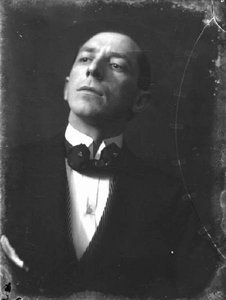
Umberto Boccioni

Umberto Boccioni

1882 - 1916, Italy

Artist Biography

A Life Forged in Motion: The Revolutionary Vision of Umberto Boccioni

Umberto Boccioni, born in Reggio Calabria in 1882, was a figurehead of the Italian Futurist movement—a force that sought to shatter artistic conventions and embrace the dynamism of the modern world. His life, though tragically cut short at just thirty-three, became a testament to this fervent belief in progress, speed, and the intoxicating energy of the machine age. Boccioni’s early years were marked by constant relocation due to his father's civil service position, an upbringing that exposed him to diverse landscapes and instilled within him a restless spirit. This nomadic existence eventually led him to Rome, where he initially pursued studies in decorative arts before gravitating towards painting, absorbing influences from the Liberty style poster artists of the time. However, it was his encounter with Futurism, ignited by the writings of Filippo Tommaso Marinetti, that truly set his artistic trajectory ablaze.

Embracing the Whirlwind: The Rise of a Futurist

The year 1910 proved pivotal for Boccioni. He signed the *Manifesto dei Pittori Futuristi*, solidifying his commitment to a movement that celebrated technology, velocity, and even violence as emblems of modernity. This wasn’t merely an aesthetic choice; it was a philosophical rebellion against the weight of tradition, a desire to capture the very essence of a world hurtling towards an uncertain future. Boccioni quickly became one of Futurism's most articulate theorists, expanding upon Marinetti’s initial pronouncements and applying them to the visual arts. He argued for a complete break from representational accuracy, advocating instead for paintings that conveyed not just *what* things looked like, but *how* they felt in motion—the sensation of speed, the fragmentation of form, the overwhelming energy of urban life. His early works, while still hinting at Impressionist and Divisionist influences, began to demonstrate this burgeoning obsession with dynamism. Paintings such as *The City Rises* (1910-1911) are monumental in scale and ambition, depicting the chaotic construction of a modern metropolis—a swirling vortex of human figures, buildings, and machinery that embodies the Futurist ideal.

Deconstructing Reality: Technique and Themes

Boccioni’s artistic development was characterized by an increasingly radical approach to form. He moved away from traditional notions of perspective and composition, embracing fragmentation as a means of conveying movement and energy. Objects were broken down into their constituent parts, lines of force radiated outwards, and colors blended in swirling patterns—all designed to create a sense of visual vibration. This deconstruction wasn’t merely stylistic; it was rooted in Boccioni's belief that reality itself was fluid and constantly changing. He sought to represent not the static appearance of things, but their dynamic essence. Key themes emerged throughout his oeuvre: dynamism, the celebration of modernity, and a fascination with the human body as a vehicle for expressing energy and motion. This is powerfully illustrated in works like *Dynamism of a Human Body* (1913), where a figure is depicted not as a solid form but as a series of fragmented shapes suggesting movement through space. Perhaps his most iconic creation, *Unique Forms of Continuity in Space* (1913), transcends painting altogether—a bronze sculpture that embodies the Futurist ideal with breathtaking force. The figure appears to be caught mid-stride, its limbs and torso elongated and distorted, conveying a sense of unstoppable momentum.

Legacy and Lasting Impact

Boccioni’s untimely death in 1916, during World War I, robbed the art world of a truly visionary talent. However, his ideas and artworks continued to resonate long after his passing. He profoundly influenced not only subsequent Futurist artists but also movements like Constructivism and Abstract Expressionism. His exploration of motion, dynamism, and the representation of modern life paved the way for new forms of artistic expression, challenging traditional notions of beauty and representation.
  • Influences: Giacomo Balla’s Divisionist techniques, Cubism's fragmentation of form, and the philosophical writings of Nietzsche.
  • Notable Works: *Dynamism of a Human Body*, *Unique Forms of Continuity in Space*, *The City Rises*, *Dynamism of a Cyclist*.
  • Historical Significance: A pivotal figure in 20th-century art, Boccioni challenged artistic conventions and helped shape the course of modern art. His theories on dynamism and the representation of motion continue to inspire artists today.
Umberto Boccioni remains a potent symbol of artistic innovation—a testament to the power of embracing change and challenging the status quo. He wasn’t simply an artist; he was a prophet of modernity, capturing the spirit of a world on the cusp of transformation and leaving behind a legacy that continues to reverberate through the art world today. His work is not merely about depicting motion; it's about embodying it.

Quick Facts

  • Title: Elasticity
  • Artistic style: Abstract Expressionism
  • Dimensions: 100 x 100 cm
  • Location: Palazzo Brera, Milan
  • Subject or theme: Urban dynamism
  • Notable elements or techniques: Fragmented planes; Dynamic lines