
A Milanese Sanctuary of Modernity: The Civica Galleria d'Arte Moderna
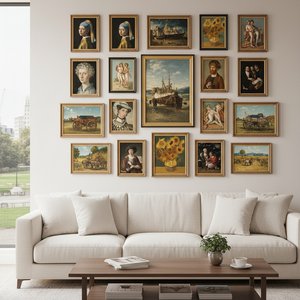
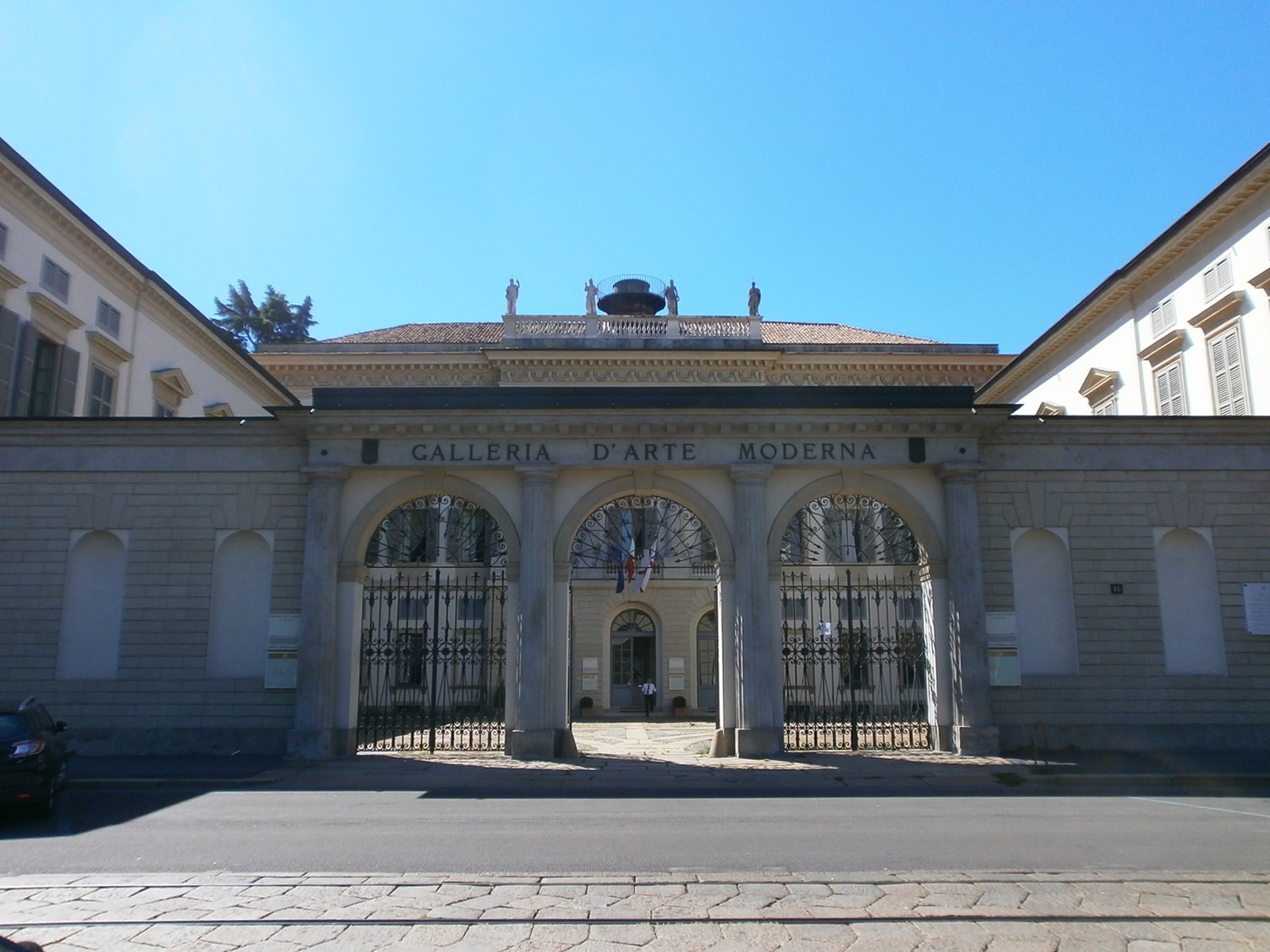
Nestled within the elegant embrace of Villa Reale in Milan, the Civica Galleria d’Arte Moderna stands as a testament to Italy’s vibrant artistic evolution from the eighteenth through the twentieth centuries. More than just a repository of masterpieces, it is an immersive journey into the heart of modern art, where classical architecture harmoniously blends with groundbreaking creative expression. Established in the early decades of the 1900s, the Galleria blossomed thanks to generous donations from Milanese families – the Treves, Ponti, Grassi, and Vismara among them – each contribution enriching a collection that would soon become a cornerstone of Italian cultural heritage. The museum’s story is one of adaptation; after World War II, its contemporary works found a new home in the Padiglione d’Arte Contemporanea, allowing the Galleria to focus on solidifying its position as a premier showcase for the movements that defined modern art. Echoes of Masters and Movements Stepping into the Civica Galleria is akin to entering a dialogue with artistic giants. The collection isn’t merely an assemblage of famous names; it's a carefully curated narrative illustrating the shifting currents of aesthetic thought. Vincent van Gogh’s *Breton Women and Children* (1888) offers a poignant glimpse into his early period, showcasing his developing style and empathy for rural life. Nearby, Pablo Picasso’s *Tête de femme (La Mediterranée)* (1957) demonstrates the artist's continued exploration of form and portraiture in his later years. But the Galleria doesn’t solely rely on international stars; it proudly champions Italian masters like Francesco Hayez, whose *Portrait of Alessandro Manzoni* (1841) captures the essence of a literary icon, and Giovanni Segantini, whose emotionally resonant *Le due madri* (1889) speaks to universal themes of motherhood and loss. The dynamism of Italian modernism is powerfully represented by Umberto Boccioni’s *La madre* (1907), a work that foreshadows the energy and fragmentation of Futurism, a movement which finds further expression in pieces by Giacomo Balla. Beyond these highlights, visitors will encounter works by Édouard Manet, Paul Gauguin, and Paul Cézanne, creating a rich tapestry of artistic innovation. Villa Reale: A Stage for Artistic Expression The museum’s setting within Villa Reale is integral to the visitor experience. Originally conceived as a neoclassical summer residence for Count Ludovico Barbiano di Belgiojoso in the late eighteenth century, the villa itself is an architectural gem. Its spacious galleries, bathed in natural light, provide an ideal environment for appreciating the nuances of each artwork. The Villa’s elegant interiors and beautifully landscaped surroundings offer a serene counterpoint to the often-challenging themes explored within the art itself. This harmonious blend of historical architecture and modern artistic expression creates a unique atmosphere—a space where past and present converge, inviting contemplation and inspiring new perspectives. A Legacy of Vision and Patronage The Civica Galleria d’Arte Moderna is more than just a museum; it’s a living testament to the power of vision and patronage. The foresight of those early donors, who recognized the importance of preserving and showcasing modern art, continues to resonate today. Their commitment laid the foundation for a cultural institution that has enriched Milanese life for generations. While some twentieth-century works were later relocated to the Padiglione d’Arte Contemporanea, the core collection remains a powerful reminder of Italy’s pivotal role in the development of modern artistic thought. The Galleria continues to evolve, hosting temporary exhibitions and engaging with contemporary audiences while remaining deeply rooted in its historical mission. It is a place where art enthusiasts, collectors, and interior designers alike can find inspiration, discover hidden gems, and connect with the enduring legacy of Italian and European artistry.- Notable Artists Featured: Vincent van Gogh, Pablo Picasso, Francesco Hayez, Giovanni Segantini, Umberto Boccioni
- Architectural Significance: Villa Reale – A neoclassical masterpiece providing a stunning backdrop for artistic contemplation
- Historical Context: Established in the early 1900s and adapting after WWII with the Padiglione d’Arte Contemporanea
- Recurring Themes: Exploration of motherhood, loss, Futurist dynamism, portraiture, and stylistic evolution
- Contemporary Relevance: Ongoing exhibitions and engagement with modern audiences ensure the Galleria's continued influence on artistic appreciation.