Ancient Origins: Horses as Symbols of Power and Myth
 Wikipedia: Horses in art
Horses have appeared in works of art throughout history, frequently as depictions of the horse in battle. The horse appears less frequently in modern art, partly because the horse is no longer significant either as a mode of transportation or as an i...
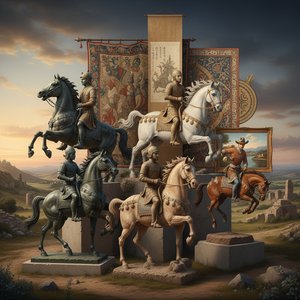
The relationship between humans and horses is one etched into the very foundations of civilization, a bond that extends far beyond practical utility and deep into the realm of myth and artistic expression. From the earliest cave paintings – those breathtaking depictions at Lascaux, dating back over 17,000 years – we see not merely representations of animals hunted for sustenance, but an acknowledgement of their power, grace, and perhaps even a nascent reverence. These weren’t simply records; they were invocations, attempts to capture the essence of creatures that held a profound sway over early human imagination. In ancient Greece, horses were inextricably linked with the gods themselves. Poseidon, god of the sea, is credited with creating the first horse, and these magnificent animals pulled the chariots of deities, embodying speed, strength, and divine favor. The iconic centaurs – half-human, half-horse beings – further illustrate this complex relationship, representing both the untamed wildness and intellectual capacity attributed to these creatures.
The Romans, ever pragmatic, harnessed the horse’s power for military conquest and spectacle. Bronze equestrian statues weren't just monuments; they were declarations of imperial authority, elevating emperors above their contemporaries and visually reinforcing their dominion. These sculptures, often depicting victorious generals on horseback, served as potent symbols of Roman strength and control. However, even within this context of dominance, a degree of admiration for the animal itself is evident – the meticulous detail in these statues speaks to an understanding of equine anatomy and movement that transcends mere political propaganda.
The Renaissance Equestrian Portrait: Status, Skill & Splendor
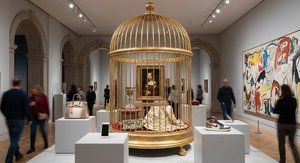 The Gilded Cage & Beyond: Status Symbols in Art History – From Renaissance Portraiture to Contemporary Consumption
Explore the fascinating history of status symbols in art, from Renaissance masterpieces to modern expressions of wealth & identity. Discover how collecting art reflects and shapes legacy with expert insights.
Following a period where depictions of horses were less frequent, the Renaissance witnessed a resurgence of interest in classical themes, including equestrian imagery. This revival wasn’t simply about replicating ancient forms; it was about imbuing them with new meaning and purpose. The equestrian portrait emerged as a powerful symbol of status, wealth, and military prowess – but also, increasingly, of individual skill and refinement. Commissioned by wealthy patrons and noble families, these paintings weren't merely likenesses; they were carefully constructed statements of identity. Artists like Titian masterfully captured the interplay between horse and rider, conveying not just physical presence but also a sense of controlled power and aristocratic bearing.
The ability to accurately depict a horse – its musculature, gait, and temperament – became a mark of artistic excellence. A successful equestrian portrait demonstrated not only technical skill but also an understanding of the animal’s inherent dignity. The horses themselves were often magnificent specimens, carefully bred and trained for both warfare and display. These paintings weren't just about celebrating the patron; they were about celebrating the horse as a symbol of their refined taste and social standing.
Baroque Grandeur: Capturing Movement and Emotion in Equine Art
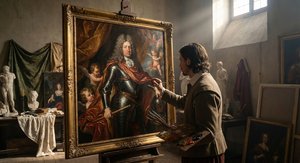 The Grandeur of Baroque Portraiture: Power, Emotion & Artistic Innovation
Explore the grandeur of Baroque portraiture! Discover Rubens, Van Dyck & the masters of 17th-century art. Uncover symbolism, techniques & lasting influence. Expert insights for collectors and enthusiasts.
The Baroque period took equestrian portraiture to new heights of drama and emotional intensity. Artists like Peter Paul Rubens, with his dynamic compositions and masterful use of light and shadow, infused these paintings with a sense of movement and energy previously unseen. His *Equestrian Portrait of the Duke of Lerma* exemplifies this approach – the horse is not merely a mount but a powerful force in its own right, radiating strength and vitality. The grandeur of Baroque portraiture extended beyond mere representation; it was about conveying power, emotion, and artistic innovation.
Rubens’s technique involved layering paint to create rich textures and vibrant colors, capturing the sheen of the horse's coat and the glint in its eye. Van Dyck, another leading Baroque painter, similarly excelled at portraying horses with a sense of aristocratic elegance and refined grace. These artists understood that the horse was not simply an accessory but an integral part of the composition, contributing to the overall narrative and emotional impact. The symbolism inherent in these paintings also became more complex – the rearing horse could represent courage and defiance, while a calm, controlled mount signified restraint and authority.
Equestrian Art in the 18th & 19th Centuries: Racing, Hunting & Aristocratic Life
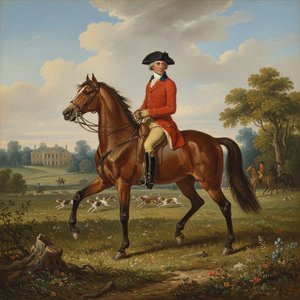 John Nost Sartorius: Equestrian Portraiture & the Shifting Social Landscape of 18th-Century England
Explore the captivating equestrian art of John Nost Sartorius (1759-1828). Discover his detailed paintings of racehorses, hunting scenes & aristocratic life. Learn about collecting Sartorius's work and its lasting value.
The 18th and 19th centuries saw a shift in focus within equestrian art. While portraits of aristocratic riders remained popular, there was an increasing emphasis on scenes of racing and hunting – activities that reflected the changing social landscape of England and beyond. Artists like John Nost Sartorius specialized in capturing the excitement and drama of these events, meticulously detailing racehorses, hunting scenes, and the lives of the aristocracy who participated in them. Sartorius’s paintings weren't just about depicting speed and skill; they were about documenting a specific way of life – one characterized by wealth, leisure, and a deep connection to the natural world.
The rise of sporting art reflected a growing interest in individual achievement and national pride. Horse racing became increasingly popular as a form of entertainment and gambling, and artists like Sartorius played a key role in capturing the excitement and spectacle of these events. These paintings often served as commissions from wealthy owners who wanted to commemorate their prized horses and celebrate their victories. The detail in these works is remarkable – from the musculature of the horses to the elaborate costumes of the riders, every element contributes to a sense of authenticity and realism.
Beyond Representation: The Horse as a Reflection of Human Values
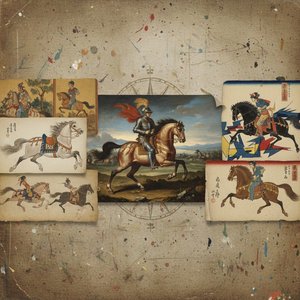
Throughout history, the horse has served as more than just a subject for artistic representation; it has been a mirror reflecting human values, aspirations, and anxieties. From ancient myths celebrating their power to Renaissance portraits signifying status, horses have consistently embodied qualities that we admire – strength, grace, loyalty, and freedom. Even as our relationship with horses has evolved, their presence in art continues to resonate deeply.
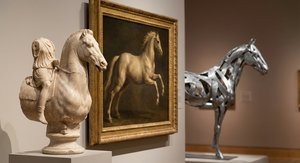
Contemporary artists continue to explore the equine form, often challenging traditional representations and delving into more complex themes. The horse can represent untamed wilderness, spiritual connection, or even the fragility of life. The enduring appeal of equestrian art lies not just in its aesthetic beauty but also in its ability to evoke a sense of wonder and remind us of our long-standing bond with these magnificent creatures.
Collecting Equestrian Art: A Guide for Enthusiasts
For those interested in collecting equestrian art, there are numerous avenues to explore. Works from the Renaissance and Baroque periods – by artists like Rubens and Van Dyck – command high prices but offer exceptional investment potential. 18th- and 19th-century sporting paintings, particularly those by John Nost Sartorius, represent a more accessible entry point into the market.
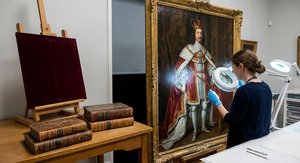
When acquiring equestrian art, it’s essential to consider provenance, condition, and authenticity. Consulting with an experienced art appraiser can provide valuable insights and help you avoid potential pitfalls. Look for paintings that demonstrate technical skill, emotional depth, and a clear understanding of equine anatomy. Ultimately, the most important factor is choosing works that resonate with your personal taste and appreciation for the beauty and power of these magnificent animals. At OriginalUniqueArt.com, we offer a curated selection of handmade oil paintings and museum-quality prints, allowing you to bring the timeless elegance of equestrian art into your home.