Ancient Origins: The Horse as Symbol & Subject
An animal painter is an artist who specialises in (or is known for their skill in) the portrayal of animals. The OED dates the first express use of the term "animal painter" to the mid-18th century: by English physician, naturalist and writer John Be...
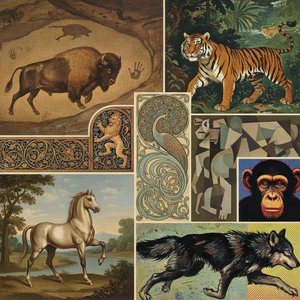
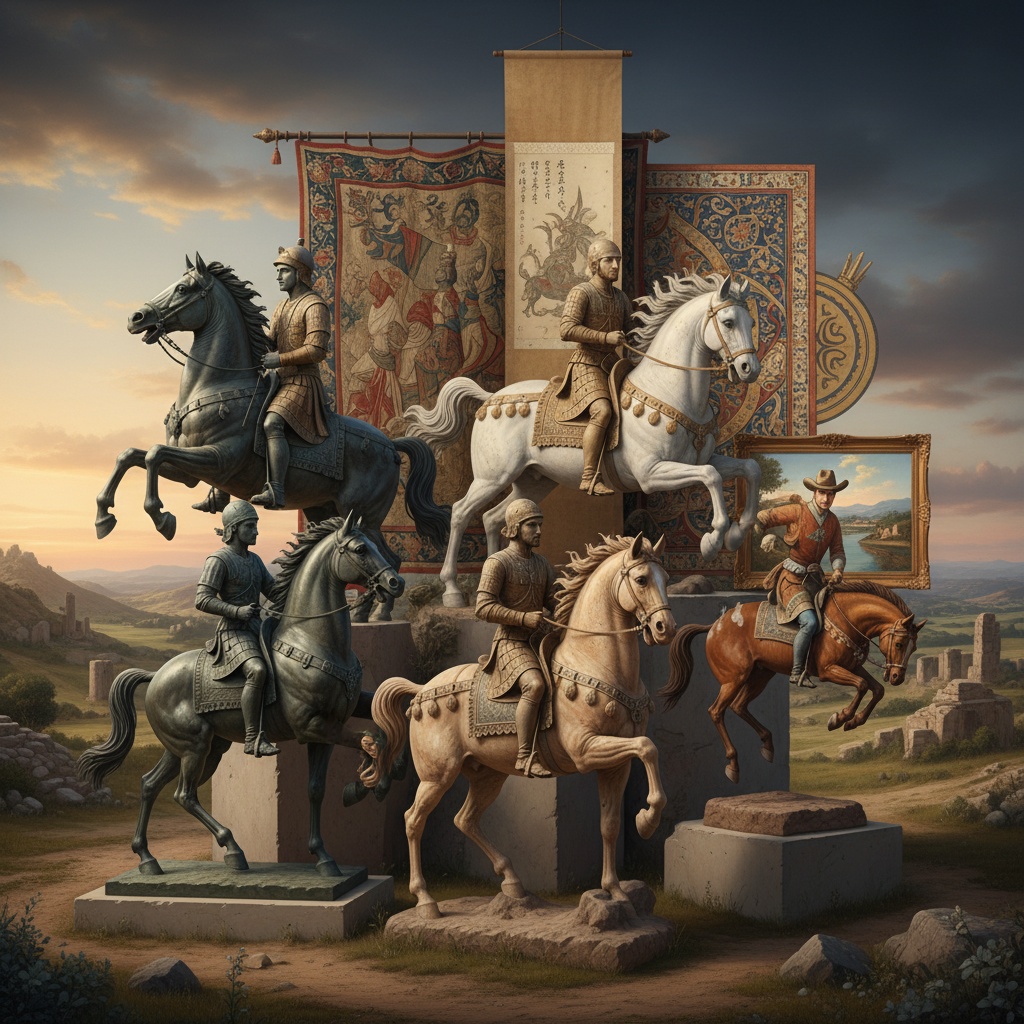
The relationship between humankind and the horse is one of profound symbiosis, a partnership etched into the very fabric of our history and, consequently, deeply embedded within the evolution of art itself. Long before the advent of formal artistic training or established patronage, the horse appeared on cave walls – not merely as sustenance, but as an object of reverence. These Paleolithic depictions, found in sites across Europe and Asia, suggest a creature imbued with spiritual significance, perhaps representing power, freedom, or even a connection to the divine. The earliest artists weren’t simply documenting what they saw; they were attempting to capture the *essence* of this magnificent animal, its vital energy and untamed spirit. This primal fascination would lay the groundwork for centuries of artistic exploration.
As civilizations blossomed in Mesopotamia, Egypt, and Greece, the horse transitioned from a symbol of wildness to one of status and military might. Egyptian pharaohs were depicted riding chariots pulled by powerful steeds, signifying their authority and dominion. Greek art celebrated the horse’s athleticism and grace, evident in sculptures like those adorning the Parthenon – though often fragmented today, these remnants speak volumes about the animal's importance in warfare, mythology (think Pegasus and Centaurs), and athletic competitions. The very act of representing a horse accurately demanded skill and observation, pushing artists to refine their techniques and understand equine anatomy.
Equestrian Portraiture & Royal Power: From Velázquez to Van Dyck
 The Count-Duke of Olivares on Horseback Prad
Witness the power of Spain through Diego Velázquez’s iconic "Count-Duke of Olivares on Horseback." Admire this Baroque masterpiece, capturing royal authority & historical significance.
The Renaissance witnessed a resurgence of classical ideals, profoundly impacting the portrayal of horses in art. However, it was during the Baroque period that equestrian portraiture truly ascended as a symbol of power and prestige. Diego Velázquez’s “The Count-Duke of Olivares on Horseback” (1636) is perhaps the quintessential example. More than just a likeness, this painting embodies the authority and grandeur of the Spanish aristocracy. The Count-Duke isn't merely *on* a horse; he *commands* it, his posture radiating confidence and control. Velázquez’s masterful use of light and shadow – chiaroscuro – further emphasizes the subject’s importance, drawing the viewer’s eye to his imposing figure.
Similarly, Anthony van Dyck, a leading portraitist of the 17th-century European nobility, elevated equestrian portraits to new heights. His depictions of Charles I on horseback are not simply records of royal presence but carefully constructed images designed to project an aura of majesty and divine right. Van Dyck’s attention to detail – the intricate embroidery on the king's clothing, the gleaming armor of his horse – speaks to a culture obsessed with outward displays of wealth and power. These paintings weren’t just art; they were instruments of political propaganda.
The Rise of Sporting Art: British Masters of the 18th & 19th Centuries
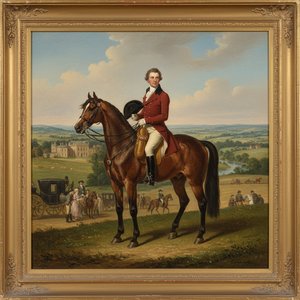 Sr. John E. Ferneley: Equestrian Portraiture & England's Social Fabric
Explore the captivating world of Sr. John E. Ferneley, a master of British sporting art. Discover his exquisite equestrian paintings & insights into 19th-century society. Invest in timeless masterpieces with OriginalUniqueArt.
The 18th and 19th centuries saw a shift in equestrian art, particularly in Britain. With the rise of organized horse racing and fox hunting, a new genre emerged – sporting art – focused on capturing the thrill of the chase and the beauty of the thoroughbred. Artists like John Francis Sartorius II (1734-1804) and his son, John Nost Sartorius (1759-1828), became renowned for their exquisitely detailed paintings of racehorses and hunting scenes. These weren’t portraits of kings or dukes; they were celebrations of a lifestyle – the aristocracy's passion for sport and country life.
Sir John E. Ferneley (1753-1818) further refined this tradition, becoming known as the “painter of hunters.” His works offer not just accurate depictions of horses but also insightful glimpses into 19th-century society. Ferneley’s paintings often included portraits of both the horse and its owner, capturing the bond between man and animal and reflecting the social status associated with owning fine livestock. The meticulous detail in their work – the musculature of the horses, the texture of their coats, the landscape backgrounds – demonstrates a deep understanding and appreciation for the natural world.
Sculpting Majesty: Donatello’s Gattamelata and Renaissance Ideals
While painting flourished, sculpture also played a crucial role in immortalizing equestrian subjects. Donatello’s “Equestrian Statue of Gattamelata” (1453) in Padua stands as a landmark achievement – the first full-size equestrian statue of the Italian Renaissance. Commissioned by the Venetian Republic to honor the condottiere Erasmo da Narni, known as Gattamelata, this bronze masterpiece represents a deliberate revival of classical forms and ideals. Unlike earlier depictions that emphasized religious or mythological themes, Donatello’s sculpture celebrates a military leader – a testament to the growing humanist values of the Renaissance.
The statue isn't simply a representation of physical power; it embodies intellectual strength and strategic brilliance. Donatello eschewed excessive ornamentation, focusing instead on conveying Gattamelata’s composure and authority through his posture and expression. The sculpture served as a powerful symbol of civic pride and military prowess, influencing generations of artists and solidifying the equestrian statue as a lasting monument to human achievement.
Chiaroscuro & Emotion: Capturing the Horse's Essence in Light and Shadow
Throughout art history, the skillful manipulation of light and shadow – chiaroscuro – has been instrumental in conveying emotion and depth in equestrian paintings. Artists like Caravaggio employed dramatic contrasts to create a sense of realism and intensity, drawing viewers into the scene and emphasizing the psychological state of both horse and rider. Isidore Pils’s “Horse Caparisoned” (1860) exemplifies this technique, using rich colors and striking shadows to evoke a feeling of power and movement.
The ability to capture not just the physical form but also the *spirit* of the horse requires exceptional skill and sensitivity. Artists must understand equine anatomy, behavior, and psychology to accurately portray their subjects. Philips Wouwerman’s “The Grey” (1640s) demonstrates this mastery, capturing the subtle nuances of a horse's expression and posture. The use of light and shadow isn’t merely technical; it’s an emotional tool used to connect with the viewer on a deeper level.
At OriginalUniqueArt.com, we are dedicated to bringing these timeless masterpieces into your home. Explore our extensive collection of handmade oil paintings and museum-quality prints, meticulously crafted by skilled artists. Whether you’re a seasoned collector or simply appreciate the beauty of equestrian art, we offer a curated selection to suit every taste and budget. Discover the enduring legacy of the noble steed and invest in artworks that will inspire for generations to come.