The Dawn of Zoological Representation: Ancient & Medieval Visions
 St Bruno Appearing to Comte Roger
From the earliest cave paintings depicting hunts and revered creatures to the intricate bestiaries illuminating medieval manuscripts, humanity’s fascination with animals has been inextricably linked to our artistic expression. These initial representations weren't merely attempts at accurate depiction; they were imbued with spiritual significance, serving as totemic symbols, embodiments of power, and reflections of a world perceived through myth and legend. Consider the magnificent depictions of lions, elephants, and bulls in prehistoric art – these animals weren’t simply observed, they were *experienced* as forces of nature, worthy of reverence and respect. The Egyptians, with their pantheon of animal-headed gods—Bastet the cat goddess, Anubis the jackal-headed guardian—elevated specific species to divine status, meticulously rendering them in vibrant frescoes and sculptures that adorned tombs and temples. This tradition continued into early Christian art, where animals often functioned as allegorical figures representing virtues or vices; the lamb symbolizing innocence, the serpent embodying temptation. These early works demonstrate a fundamental human impulse: to understand our place within the natural world by translating it onto canvas, walls, and vellum.
Baroque Beasts & Dutch Detail: Collaboration, Commission & Scientific Observation
An animal painter is an artist who specialises in (or is known for their skill in) the portrayal of animals. The OED dates the first express use of the term "animal painter" to the mid-18th century: by English physician, naturalist and writer John Be...
The Baroque period witnessed a flourishing of animal painting, though often not as independent genre. Artists like Frans Snyders became masters of still life and animal studies, frequently collaborating with other painters – Peter Paul Rubens, for example, relied on Snyders’ expertise to populate his grand historical compositions with dynamic wildlife scenes. These collaborations highlight the evolving role of the animal painter; they were no longer solely focused on symbolic representation but increasingly valued for their technical skill in capturing anatomy, texture, and movement. Simultaneously, the Dutch Golden Age saw a surge in detailed zoological illustration and genre paintings featuring domestic animals. Artists such as Jan Weissenbruch specialized in meticulously rendered landscapes populated with livestock, while others focused on intimate portraits of hunting dogs or exotic birds. This period marked a shift towards greater realism and scientific observation, driven by burgeoning interest in natural history and the desire to accurately document the world around them. The patronage system also played a crucial role; wealthy merchants commissioned paintings of their prized possessions – horses, cattle, even rare pets – solidifying the animal portrait as a legitimate artistic subject.
Sporting Art & the Rise of the Animal Portrait: 18th-Century England and Beyond
 Ramsay Richard Reinagle: A Study in British Sporting Art & Zoological Illustration
Explore the life & work of Ramsay Richard Reinagle (1775-1862), a key figure in British sporting art and animal portraiture. Discover his landscapes, panoramas, and contributions to zoological illustration with OriginalUniqueArt.
The 18th century witnessed the definitive emergence of sporting art, particularly in England. Artists like Ramsay Richard Reinagle skillfully captured the grace and power of horses, hounds, and other animals involved in aristocratic pursuits – fox hunting, racing, and falconry. These paintings weren’t simply records of events; they were celebrations of a lifestyle, imbued with social status and national pride. The detailed anatomical accuracy, combined with dynamic compositions, elevated these works beyond mere documentation to become highly sought-after commissions. George Stubbs, arguably the most celebrated animal painter of the era, revolutionized the genre through his meticulous study of equine anatomy – even dissecting horses to understand their musculature and skeletal structure. His iconic painting, *Whistlejacket*, exemplifies this dedication to realism, capturing not only the physical form but also the spirited personality of the horse. This focus on individual character became a hallmark of sporting art, transforming animals into recognizable personalities with distinct temperaments and histories.
Symbolism & Iconography in Animal Painting: Myth, Religion & Cultural Meaning
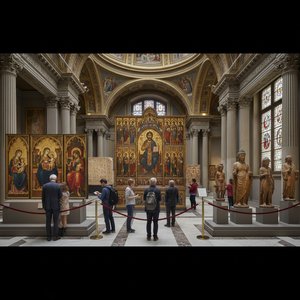 Sacred Narratives Embodied: A Comprehensive Exploration of Religious Iconography in Art History
Explore the rich history of religious iconography in art! Discover symbolism, movements & masterpieces from Byzantine to Renaissance periods. Expert insights for collectors and enthusiasts at OriginalUniqueArt.
Throughout history, animals have served as potent symbols laden with cultural meaning. The lion, for example, has been associated with royalty, courage, and power across numerous civilizations – from the ancient Egyptians to Renaissance Europe. The stag often represents nobility and spiritual awakening, while the owl embodies wisdom and knowledge. Religious iconography frequently employs animal imagery to convey complex theological concepts; doves symbolizing the Holy Spirit, fish representing Christ and early Christians. Even seemingly mundane animals can carry profound symbolic weight. In medieval bestiaries, for instance, the unicorn represented purity and grace, often associated with the Virgin Mary. Understanding this underlying symbolism is crucial when interpreting animal paintings – it allows us to appreciate not only the artistic skill but also the deeper cultural narratives embedded within the work. Consider Eustache Le Sueur’s *St Bruno Appearing to Comte Roger*, where the presence of animals subtly reinforces themes of piety and divine intervention, adding layers of meaning beyond the literal depiction of a religious encounter.
Modern Interpretations: From Realism to Abstraction – The Beast as Metaphor
The 20th and 21st centuries have seen a diverse range of approaches to animal painting. While realism continued to thrive, with artists like Carl Rungius capturing the majesty of wildlife in breathtaking landscapes, others explored more abstract and metaphorical representations. Artists began using animals as vehicles for expressing psychological states, social commentary, or philosophical ideas. The “beast” became a symbol of primal instincts, untamed emotions, and the darker aspects of human nature. K.G. Subramanyan’s work exemplifies this shift, blending mythic imagery with folk art traditions to create vibrant compositions that explore the relationship between instinct and intellect. This modern approach often eschews literal representation in favor of emotional resonance and symbolic depth, inviting viewers to interpret the animal form through a more personal lens.
Collecting Animalia Today: Trends, Artists & Integrating Wildlife Art into Your Home
The market for animal paintings remains robust, driven by both established collectors and new enthusiasts. Sporting art continues to be highly sought after, with works by Stubbs and Reinagle commanding significant prices. However, there’s also growing interest in contemporary wildlife artists who are pushing the boundaries of the genre. Integrating animal art into your home can add a touch of sophistication, personality, and connection to nature. Consider the overall aesthetic of your space – a dramatic landscape painting might suit a larger room, while an intimate portrait could complement a cozy study. OriginalUniqueArt.com offers a vast selection of handmade oil paintings and museum-quality prints, allowing you to bring these iconic works into your own collection. Whether you’re drawn to the historical grandeur of Baroque masterpieces or the contemporary vision of modern artists, exploring animal painting is an enriching experience that connects us to both art history and the natural world. Our team provides free art consultation to help you select pieces that resonate with your personal style and enhance your living space. From custom paintings from photos to artwork appraisal, we offer a comprehensive suite of services designed to make collecting accessible and enjoyable.