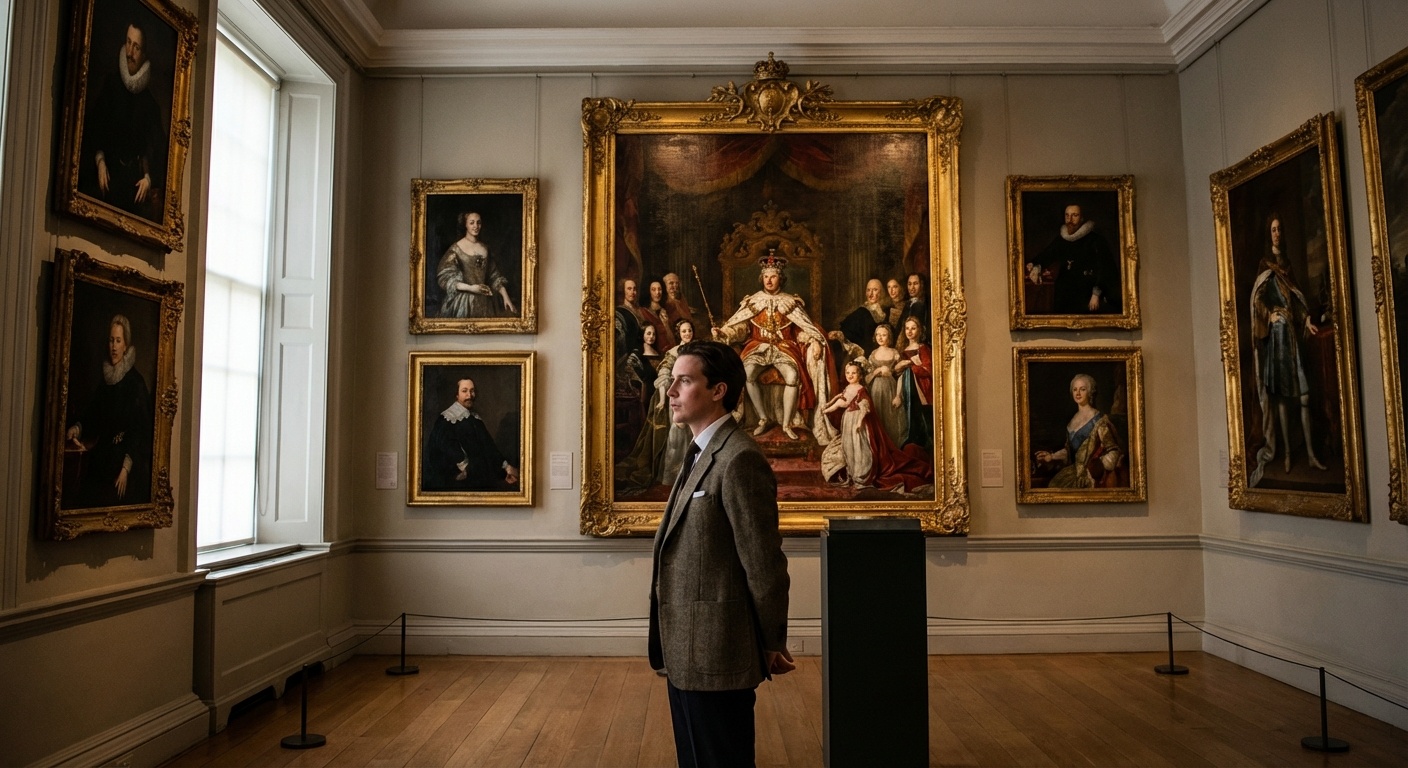
The Rise of Portraiture: Establishing Authority Through Image
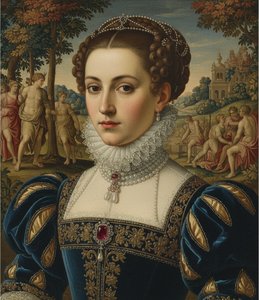
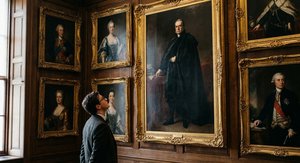
Before the advent of photography, the portrait was not merely a likeness; it was a carefully constructed declaration of power, status, and identity. From the Roman emperors immortalized in marble busts to the elaborate tapestries depicting noble lineages, humankind has long sought to preserve and project an image of authority. However, it was during the Renaissance that portraiture truly blossomed into a sophisticated art form, inextricably linked with the burgeoning humanist movement and the rise of powerful families and states. Early portraits often served as didactic tools – reminders of virtuous rulers or warnings against tyranny. But as artistic techniques advanced, so too did the capacity to convey nuance, personality, and ultimately, control. The very act of commissioning a portrait became an assertion of wealth and influence; only those with considerable means could afford to have their image rendered by skilled artists, transforming them into enduring symbols of their own importance.
Renaissance Innovations: Humanism, Realism & the Depiction of Power
The Renaissance witnessed a profound shift in artistic focus, moving away from the stylized representations of the medieval period towards a more naturalistic depiction of the human form. This was fueled by a renewed interest in classical learning and a growing emphasis on humanism, which celebrated individual achievement and potential. Artists like Masaccio pioneered techniques such as linear perspective and chiaroscuro, creating illusions of depth and volume that brought their subjects to life with unprecedented realism. Andrea Mantegna’s ‘Ducal Palace,’ for example, isn't simply a depiction of architecture; it’s a meticulously rendered statement of power and control, the very structure embodying the authority of its commissioner. Simultaneously, artists began to explore psychological realism, attempting to capture not just *what* their subjects looked like, but *who* they were – their intelligence, ambition, and inner lives. This pursuit of verisimilitude wasn’t merely aesthetic; it was a deliberate strategy for reinforcing the subject's authority through perceived authenticity.
Symbolism & Allegory: Unveiling Hidden Messages in Royal Portraits
Renaissance portraits were rarely straightforward representations. They were often laden with symbolism and allegory, carefully chosen to convey specific messages about the sitter’s virtues, lineage, or political aspirations. Objects held by the subject – a book signifying learning, a laurel wreath representing victory, or even a particular flower embodying fidelity – all served as visual cues understood by contemporary audiences. Clothing, too, played a crucial role; rich fabrics and elaborate jewelry signaled wealth and status, while specific colors could denote allegiance or religious beliefs. Consider Sandro Botticelli’s ‘Portrait of a Man with a Medal of Cosimo the Elder.’ The inclusion of Cosimo de' Medici’s medal is not accidental; it explicitly links the sitter to one of Florence’s most powerful families, subtly asserting his own connection to that lineage and political influence. Deciphering these hidden layers requires a deep understanding of Renaissance culture and iconography, transforming the portrait into a complex visual puzzle.
Equestrian Portraits: Celebrating Military Might and Dynastic Legacy
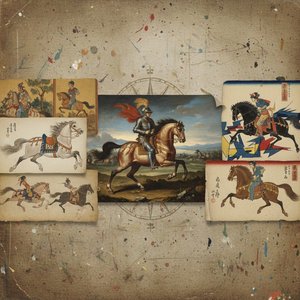
The equestrian portrait emerged as a particularly potent symbol of power during the Renaissance, reserved for rulers and military leaders. These grand depictions showcased not only physical prowess but also strategic brilliance and dynastic legitimacy. The horse itself was an emblem of strength and nobility, while the rider’s posture and attire conveyed authority and control. Mantegna's masterful renderings exemplify this trend; his equestrian portraits are dynamic compositions that capture both the energy of battle and the dignity of leadership. These images weren’t simply celebrations of individual achievement; they were carefully crafted narratives designed to reinforce a ruler’s claim to power and inspire loyalty among their subjects. The very scale of these works demanded respect, transforming them into enduring monuments to military might and dynastic legacy.
Beyond Likeness: The Psychological Dimension of Powerful Figures
As Renaissance artists honed their skills in realism, they increasingly focused on capturing the psychological dimension of their subjects. Portraits began to reveal not just physical features but also inner thoughts, emotions, and motivations. Artists like Leonardo da Vinci employed techniques such as *sfumato* – a subtle blurring of lines and colors – to create an atmosphere of mystery and intrigue, inviting viewers to contemplate the sitter’s character. Andrea Mantegna's 'Judith & Holofernes,' while depicting a dramatic biblical scene, also offers a compelling study in psychological tension; Judith’s resolute gaze and Holofernes’ vulnerability reveal a complex interplay of power and fear. This shift towards psychological realism marked a significant departure from earlier portraiture, transforming the image into a more intimate and revealing representation of the individual.
Collecting Power: Investing in Historical Representations at OriginalUniqueArt
Today, Renaissance portraits offer a unique window into the past, providing invaluable insights into the lives, ambitions, and ideologies of those who shaped history. Acquiring a reproduction of a masterpiece from this period is not merely an aesthetic pursuit; it’s an investment in cultural heritage and a testament to discerning taste. At OriginalUniqueArt, we specialize in handmade oil paintings meticulously recreated by skilled artists, ensuring the authenticity and quality of every piece. From iconic equestrian portraits to intimate studies of Renaissance nobility, our collection offers a diverse range of options for collectors of all levels. We provide detailed information about each artwork’s history and symbolism, empowering you to make informed decisions and curate a collection that reflects your passion for art and historical significance. Explore the enduring legacy of formal portraiture with OriginalUniqueArt – where power, identity, and artistic exploration converge.