

 Preview
 Send
Send Share
Share
 Details
 Guide
Guide

 Download
 Similars
 X-Ray
X-Ray Diaporama
 Q&A
Q&A Stats
StatsSmoker

 Read More
The artwork displayed on this page is protected by copyright law, which means we cannot legally create or sell an identical reproduction. This protection is enforced under international agreements such as the Berne Convention and by national laws, including those outlined by the U.S. Copyright Law - Title 17.
This method fully complies with copyright regulations because it does not involve copying or duplicating the protected artwork. Instead, it is a creative reinterpretation - a new painting that is influenced by the original but not identical to it.
Giclée / Art Print
Museum-quality giclée or canvas print with fast production and flexible finish options. ( Buy Hand Made Painting Switch to Digital Image)




































Pick from our preset sizes that match the artwork's original proportions.

Type the width and the height you need, to fit your frame or your wall. A print can only be cut, never made bigger than the picture, so a size with a different shape loses a part of the image. We send you a digital mockup to approve before we print anything. The picture shown on this page does not show the real cut — only the mockup does.
Worldwide Delivery () in 2 weeks instead of standard 4/5 weeks. (31 October)

Free Worldwide Express Shipping

High-Quality Linen Canvas

Full Shipping Insurance

Customs Tax Refund Guarantee

True Color Matching Guarantee

100-Day Return Policy (Defects Only)

100% Money-Back Guarantee

Bulk Discount Offer
 Glass option is only available in size under 110 CM

Smoker
Giclée / Art Print
Reproduction Size
-


Total Price
$ 81
A Moment of Intimate Luxury: Tom Wesselmann's "Smoker"
This captivating artwork by Pop Art luminary Tom Wesselmann presents a close-up study of hands delicately holding what appears to be a glass or cup, evoking a sense of quiet indulgence and refined pleasure. The piece isn’t merely a depiction; it’s an exploration of form, texture, and the subtle language of gesture. While seemingly simple in subject matter, "Smoker" reveals layers of artistic complexity and symbolic resonance upon closer inspection. It's a work that invites contemplation and offers a glimpse into Wesselmann's unique visual vocabulary.Style & Technique: Art Deco Sensibility Meets Pop Art
Wesselmann’s style in "Smoker" is a fascinating blend of influences. The flattened perspective, the emphasis on stylized forms, and the use of warm, muted colors immediately recall the elegance and streamlined aesthetic of 1920s Art Deco. However, the subject matter – an everyday moment elevated to artistic significance – firmly places this work within the Pop Art movement that flourished in the mid-20th century. Wesselmann’s technique is characterized by smooth brushstrokes and rich color saturation, suggesting a masterful command of oil painting on canvas. The overlapping planes and swirling forms create a sense of depth and movement, while the soft, diffused lighting enhances the dreamlike quality of the image. The artist's deliberate simplification of form, prioritizing shape over realistic detail, is a hallmark of his Pop Art approach.Historical Context & Pop Art Innovation
Emerging in the 1960s, Pop Art challenged traditional notions of fine art by embracing imagery from popular culture – advertising, comic books, and everyday objects. Wesselmann, alongside artists like Andy Warhol and Roy Lichtenstein, played a pivotal role in this movement. "Smoker" exemplifies Pop Art's interest in elevating the mundane to the level of high art. By focusing on a seemingly ordinary gesture—holding a drink—Wesselmann transforms it into an object of aesthetic contemplation. The work reflects a broader cultural shift towards consumerism and mass media, themes that were central to the Pop Art movement. Wesselmann's focus on still life elements, often incorporating fragments of magazine imagery as seen in his "Great American Nude" series, further demonstrates his innovative approach to artistic representation.Symbolism & Emotional Impact
Beyond its aesthetic appeal, “Smoker” carries a subtle symbolic weight. The gesture of offering or receiving something precious—represented by the hands and the glass—suggests themes of intimacy, luxury, and perhaps even indulgence. The warm color palette – browns, creams, whites with a touch of red – evokes feelings of comfort, warmth, and sophistication. While devoid of overt narrative, the artwork creates an atmosphere of quiet contemplation and sensual pleasure. The overall effect is one of understated elegance and subtle mystery, leaving room for individual interpretation and emotional resonance. It's a piece that invites viewers to pause, observe, and appreciate the beauty in everyday moments.Questions & Answers
What color leads the composition of "Smoker" by Tom Wesselmann?
espresso (#491909) is the leading color of "Smoker" by Tom Wesselmann.
Is "Smoker" by Tom Wesselmann a light or a dark artwork?
The recorded values for "Smoker" by Tom Wesselmann are: brilliant brightness, bright balance luminance.
Is a download available for "Smoker"?
"Smoker" by Tom Wesselmann can be downloaded from the artwork's Download page, as a high-resolution digital image download.
Artist Biography
A Celebration of the Everyday: The World of Tom Wesselmann
Tom Wesselmann, born in Cincinnati, Ohio, in 1931 and passing away in 2004, stands as a pivotal figure within the vibrant landscape of Pop Art. His journey began not with an immediate artistic calling, but with studies in psychology at the University of Cincinnati following a brief period at Hiram College. This early exploration of the human mind would subtly inform his later work, imbuing it with a keen awareness of perception and desire. A stint in military service from 1952 to 1954 provided an unexpected creative outlet through cartooning – a skill that honed his observational abilities and sense of visual narrative. Upon his discharge, Wesselmann dedicated himself to refining his drawing skills at the Art Academy of Cincinnati, laying the foundation for the bold aesthetic he would soon become known for. He wasn’t initially drawn to the prevailing Abstract Expressionist fervor; instead, he sought a more direct engagement with the world around him, a desire that ultimately led him to embrace the burgeoning Pop Art movement.From Collage to Iconography: Defining a Style
Wesselmann quickly distinguished himself within Pop Art not through replication of mass-produced imagery like some of his contemporaries, but through a unique synthesis of collage techniques and representational painting. He wasn’t simply *showing* us consumer objects; he was constructing worlds around them, layering textures and perspectives to create visually arresting compositions. A crucial turning point came with the inception of the Great American Nude series in 1961. These weren't traditional nudes steeped in classical ideals; they were bold, unapologetic depictions of sensuality interwoven with patriotic motifs and the iconography of American consumer culture. The influence of Robert Motherwell’s powerful “Elegy to the Spanish Republic” is evident here – not in style, but in Wesselmann’s approach to combining disparate elements within a single canvas, creating tension and resonance. He deliberately rejected the gestural abstraction of Action Painting, opting instead for meticulous construction and a deliberate control over his visual language. His signature aesthetic blossomed into carefully arranged still lifes, intimate bedroom scenes, and striking nudes, all rendered in a palette of vibrant, often clashing colors that mirrored the energy of postwar America.Themes of Desire and Domesticity
Wesselmann’s artistic explorations consistently revolved around core themes of consumerism, sexuality, domesticity, and the American landscape. The Great American Nude series, arguably his most celebrated work, is a potent exploration of these ideas – a playful yet provocative commentary on the intersection of desire, advertising, and national identity. His “Bedroom Paintings” offer an equally compelling glimpse into the private sphere, depicting intimate interiors filled with everyday objects like cigarettes, flowers, and hearts. These aren’t merely depictions of rooms; they are carefully curated arrangements that reveal something about the lives lived within them – a sense of longing, comfort, or perhaps even alienation. Even his still lifes, seemingly simple arrangements of fruit, bottles, and other household items, possess a dynamic energy thanks to their bold colors, simplified forms, and deliberate compositions. Repetition and pattern became hallmarks of his style, creating visually engaging surfaces that draw the viewer in and invite contemplation.A Lasting Legacy: Influences and Impact
While Wesselmann forged his own distinct path, he acknowledged the influence of artists like Robert Motherwell on his compositional approach. He admired Willem de Kooning’s expressive brushwork but consciously sought to develop a style that was uniquely his own – one rooted in clarity, precision, and a playful engagement with popular culture. As a key member of the Pop Art movement alongside luminaries such as Andy Warhol and Roy Lichtenstein, he contributed significantly to its challenge of traditional artistic boundaries. His work expanded the possibilities of painting by embracing collage techniques and elevating everyday objects to the realm of fine art. Wesselmann’s legacy extends beyond his individual artworks; he inspired subsequent generations of artists to explore the intersection of art and life, to question conventional notions of beauty, and to find meaning in the mundane. He reflected the cultural shifts of the 1960s – increased consumerism, changing attitudes towards sexuality, and a growing fascination with mass media – offering a vibrant and often provocative commentary on the American experience. His work continues to resonate today, reminding us of the power of art to both reflect and shape our understanding of the world around us.
Tom Wesselmann
1931 - 2004 , United States of America
Quick Facts
- Full Name: Tom Wesselmann
- Nationality: American
- Date Of Birth: 1931
- Date Of Death: 2004
- Place Of Birth: Cincinnati, United States of America
- Notable Artworks:
- Great American Nude Series
- Bedroom Paintings
- Still Lifes
- Artistic Movement Or Style: Pop Art
- Artists Who Influenced This Artist:
- Robert Motherwell
- Willem de Kooning
- Artists Or Movements Influenced By This Artist: ['Pop Art Movement']
Related Articles

Luminous Masterpieces: The Captivating Beauty and Timeless Elegance of Stained Glass Artworks
Embark on a visual journey through the luminous world of stained glass art. Discover the exquisite craftsmanship, historical significance, and captivating beauty of masterworks from Art Nouveau to the Gothic era, curated for the discerning fine art enthusiast.

Aggressive Pop Art: The High-Impact Movement Redefining Street Style and Urban Design
Discover how Aggressive Pop Art is shattering minimalism to redefine urban design. Explore the high-impact trends of Neo-Pop, street style aesthetics, and bold graphic movements shaping modern interiors and contemporary culture.
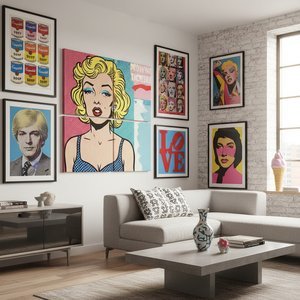
Pop Art Icons: 10 Masterpieces That Revolutionized Modern Decor |
Explore 10 defining Pop Art masterpieces – from Warhol’s iconic Marilyn to Lichtenstein's bold dots. Discover the stories behind these revolutionary artworks & find museum-quality reproductions for your home at .
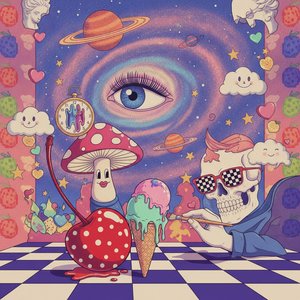
Pop Surrealism Unveiled: The Sophisticated Intersection of Vibrant Pop Art and Dreamlike Subconscious Landscapes
Explore the captivating world of Pop Surrealism. Discover how vibrant Pop Art meets dreamlike subconscious imagery through the works of masters like Jeff Soto and Ryan Heshka. An expert guide for discerning collectors seeking to understand this profound contemporary art movement.

Geek-Chic Interiors: The Definitive Guide to Decorating with Sophisticated Pop Culture Art
Elevate your home with our expert guide to Geek-Chic interiors. Discover how to seamlessly integrate sophisticated pop culture art and hand-painted masterpieces into luxury decor for a refined, modern aesthetic.


