The Alchemy of Light: An Introduction to Stained Glass Artistry
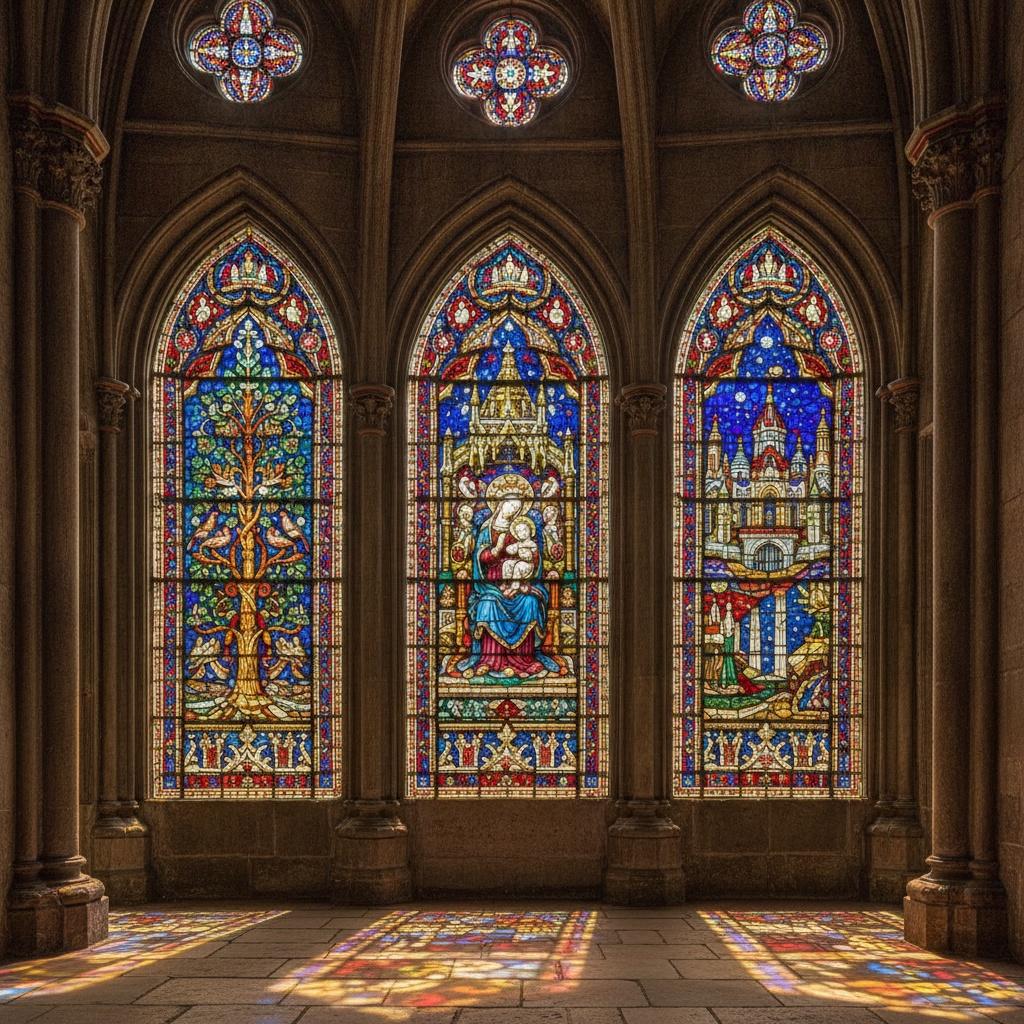
To behold a true stained glass masterpiece is to witness a profound dialogue between physical matter and the ethereal heavens. Unlike canvas, which captures light upon its surface, stained glass invites light to inhabit its very soul, transforming a mere window into a living, breathing organism of color. This medium represents a unique alchemy where the artisan manipulates sand, potash, and metallic oxides to create a translucent tapestry that changes with every passing hour of the day. As the sun traverses the sky, the artwork undergoes a silent metamorphosis; a morning glow may cast soft, pastel hues across a stone floor, while the amber intensity of sunset can ignite the glass into a fiery, dramatic spectacle.
This captivating beauty lies in the interplay of shadow and brilliance. The lead cames—the dark, structural lines that hold each fragment in place—do not merely serve a functional purpose; they act as the essential graphic ink of the composition, providing the necessary contrast to allow the vibrant pigments to sing. For the true art enthusiast, stained glass is not simply decoration but an immersive sensory experience that bridges the gap between the tangible world and the sublime.
A Journey Through Eras: From Gothic Grandeur to Art Nouveau Elegance
The history of this luminous medium is a sweeping epic of human creativity. During the Gothic era, stained glass reached heights of spiritual intensity, where massive rose windows served as celestial maps for the faithful. These windows were designed to dissolve the boundaries of architecture, replacing heavy stone walls with curtains of light that whispered tales of divinity. The scale was monumental, and the intent was nothing shortert than to evoke awe through a kaleidoscope of deep rubies and sapphire blues.
As centuries progressed, the language of glass shifted from the strictly liturgical to the exquisitely decorative. The late 19th century brought with it the breathtaking revival of the Arts and Crafts movement and the fluid, organic grace of Art Nouveau. Artists such as Raphael Kirchner redefined the medium, infusing Parisian elegance into glass through intricate designs that mimicked the sinuous curves of nature. No longer confined to cathedral walls, stained glass began to grace the private salons of the elite, characterized by a newfound lightness and a sophisticated, rhythmic movement. This era celebrated the delicate interplay of flora and fauna, where every vine and petal was rendered with a precision that rivaled the finest enamel paintings.
The Master's Touch: Intricate Techniques and the Language of Color
Behind every radiant pane lies a rigorous discipline of craftsmanship that demands both technical mastery and an intuitive understanding of light. The creation of stained glass is a labor of immense patience, beginning with the careful selection of glass textures—from smooth, transparent sheets to heavily bubbled or "seeded" varieties that catch the light in unpredictable ways. The artisan must master the art of painting with vitreous enamels, applying fine details that are subsequently fired in a kiln to fuse the pigment permanently to the glass surface.
Consider the profound impact of color theory within this medium. A single shade of indigo, as seen in the exquisite works of Charles Eamer Kempe, can convey a sense of profound melancholy or divine mystery, depending on its transparency and placement. The use of "flashed" glass—a technique where a thin layer of colored glass is fused to a clear base—allows for incredible tonal depth, enabling artists to create gradients that mimic the soft transition of a twilight sky. This meticulous layering of color and texture ensures that the artwork possesses a three-dimensional quality, even when viewed from a distance.
Sacred Narratives and Secular Splendor: The Iconography of Glass
Stained glass has long served as a silent narrator, capable of communicating complex theological and mythological stories to audiences across all levels of literacy. In the great workshops of Europe, such as the Bertini Workshop in Milan, windows were composed as visual encyclopedias. A central rose window might depict the cosmic order of the Old Testament, using sun motifs and rich greens to symbolize life and rebirth. Each figure, each symbol, and each heraldic device was carefully placed to guide the viewer through a structured narrative of triumph and transcendence.
However, the medium's power extends far beyond the sacred. In secular contexts, stained glass became a vehicle for prestige and personal expression. From the depiction of historical saints like St. Margaret of Antioch to the more modern, decorative motifs of the Belle Époque, the iconography of glass reflects the cultural zeitgeist of its time. Whether it is the storytelling grandeur of a religious window or the ornamental luxury of an Art Nouveau panel, the medium remains a potent tool for capturing the essence of human myth and personal legacy.
Preserving Radiance: The Art of Collecting and Curating Luminous Works
For the discerning collector, acquiring stained glass is an act of preserving history. Because these works are so deeply dependent on their environment, curation requires a sophisticated understanding of light and placement. To preserve the vibrancy of the pigments and the integrity of the leadwork, one must consider the impact of UV exposure and atmospheric conditions. A well-curated collection does not merely display objects; it orchestrates an atmosphere.
As we look toward the future of art appreciation, the integration of historical reverence with modern connoisseurship becomes vital. Whether through the study of museum-grade originals or the appreciation of high-quality reproductions that capture the soul of the masters, the goal remains the same: to ensure that the light continues to dance through these magnificent windows for generations to come. It is a commitment to beauty, a respect for tradition, and an enduring passion for the luminous.
OriginalUniqueArt.com stands at the intersection of this timeless passion and modern accessibility. As a global leader in fine art reproductions and custom commissions, we specialize in bringing the grandeur of the Old Masters into the contemporary home. From meticulously hand-painted oil recreations to bespoke artistic transformations, our mission is to ensure that the profound beauty of art history remains a living part of your personal sanctuary.