Introduction
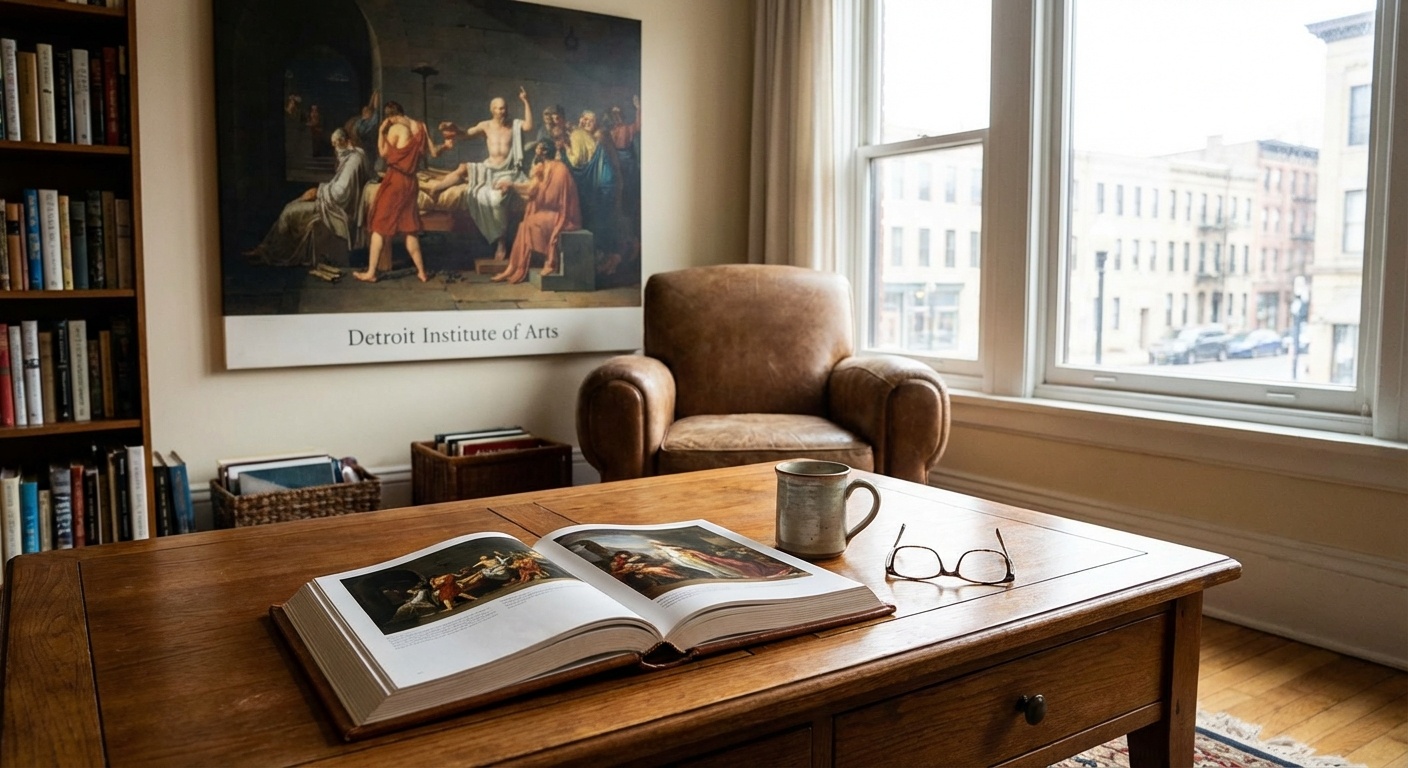
To embark on a journey through the Detroit Institute of Arts’s most treasured artworks is to trace the echoes of a city—its ambitions, its struggles, and its enduring spirit. This collection isn't simply a gathering of beautiful objects; it’s a narrative woven from brushstrokes, sculpted forms, and vibrant hues, each piece resonating with the pulse of Detroit’s complex history.
Founded in 1883, the DIA began as a beacon of cultural aspiration—a deliberate attempt to enrich a rapidly industrializing American city. From its humble beginnings focused on European masters, it has evolved into one of America's premier art institutions, reflecting a commitment to inclusivity and a broadening understanding of artistic expression. The museum’s very architecture—Paul Philippe Cret’s majestic Beaux-Arts design—speaks to the city’s former grandeur, while thoughtful expansions ensure that its legacy remains vibrant and accessible.
The DIA's collection is remarkably diverse, encompassing masterpieces from Van Gogh, Monet, and Rembrandt alongside significant holdings of American art, African sculptures, Asian ceramics, and Native American textiles. This deliberate expansion reflects a growing awareness of the interconnectedness of cultures and the importance of representing the full spectrum of human creativity. The recent addition of the General Motors Center for African American Art further solidifies this commitment.
But why do these artworks continue to captivate us today? They offer more than aesthetic pleasure; they provide glimpses into different worlds, challenge our perspectives, and invite contemplation on universal themes of love, loss, identity, and the human condition. These pieces are not relics of the past but living testaments to the power of art to transcend time and connect us across generations.
In the following list, we will explore twenty-five artworks that embody the spirit of the Detroit Institute of Arts—each a story waiting to be discovered. Prepare to be moved, inspired, and transported by the beauty and depth within these walls.
The Nightmare - johann heinrich füssli
 The Nightmare - johann heinrich füssli
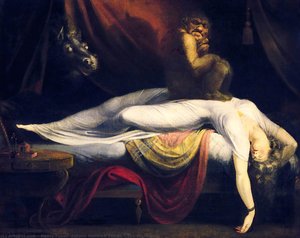
Before you stands a work that has haunted imaginations for centuries— The Nightmare by Johann Heinrich Füssli, painted in 1781. More than just a depiction of a bad dream, this iconic Romantic painting is a profound exploration of the subconscious, a realm where anxieties and desires intertwine.
Emerging from the Gothic revival, Füssli’s masterpiece broke with Neoclassical restraint, embracing instead dramatic composition and intense emotion. The scene—a woman asleep in a vulnerable pose, crushed beneath the weight of an incubus while a menacing horse peers from the shadows—shocked and captivated audiences upon its debut at the Royal Academy. Its success wasn't merely aesthetic; it tapped into a collective fascination with the irrational and the power of the unseen.
The painting’s impact lies in its masterful use of chiaroscuro, creating a claustrophobic atmosphere intensified by loose, expressive brushwork. The dark palette—deep blues and browns punctuated by flashes of pale skin—heightens the sense of unease. Notice how Füssli doesn't simply *show* us a nightmare; he evokes it through texture, form, and symbolism rooted in folklore.
Included among the Top 25 artworks at the Detroit Institute of Arts, The Nightmare remains powerfully relevant today. It’s a reminder that art can be more than beautiful—it can confront us with our deepest fears, challenge our perceptions, and transform spaces into portals for introspection.
The Conversion of Mary Magdalen (also known as Martha and Mary Magdalen) - Caravaggio
 The Conversion of Mary Magdalen (also known as Martha and Mary Magdalen) - Caravaggio
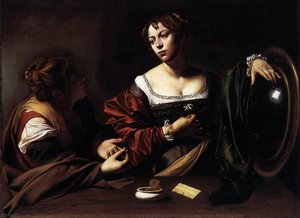
A moment of profound transformation unfolds before you—Caravaggio’s The Conversion of Mary Magdalen , painted around 1598. This is not merely a depiction of faith; it's an intimate exploration of the human soul grappling with earthly desire and spiritual awakening.
Included among the Top 25 artworks at the Detroit Institute of Arts, this painting exemplifies the Baroque’s dramatic intensity and Caravaggio’s revolutionary use of chiaroscuro. The scene—Martha captivated by her possessions while Mary Magdalen turns towards divine grace—is rendered with a psychological depth rarely seen before.
Notice how Caravaggio masterfully manipulates light, illuminating Martha’s inner turmoil and highlighting the purity symbolized by the orange blossom held by Mary Magdalene. The inclusion of a convex mirror isn't merely decorative; it reflects a window bathed in ethereal light, representing divine intervention and drawing our eye towards spiritual aspiration.
Caravaggio’s genius lies in his ability to blend religious iconography with everyday realism, creating images that feel both emotionally resonant and intellectually stimulating. This painting reminds us of art's power to transcend time—to invite contemplation on universal themes of redemption and the enduring search for meaning. At OriginalUniqueArt, we believe this transformative power should be accessible, allowing you to bring such profound beauty into your own space.
Louis Valtat - Pierre-Auguste Renoir
 Louis Valtat - Pierre-Auguste Renoir
A quietude settles over you as you encounter Louis Valtat by Pierre-Auguste Renoir, a deceptively simple charcoal drawing that reveals layers of introspection and artistic mastery. Executed around 1904, this isn’t merely a portrait; it's an exploration of mood, a study in the subtle language of human emotion.
Included among the Top 25 artworks at the Detroit Institute of Arts, this drawing showcases Renoir’s evolving technique and his commitment to capturing fleeting moments of feeling. Valtat, Renoir’s protégé, is depicted in profile, a gesture that invites contemplation rather than direct engagement.
Notice how Renoir employs loose hatching and cross-hatching—characteristic Impressionistic methods—to build tonal variations and suggest volume without relying on precise detail. The monochromatic palette of grays and blacks amplifies the emotional resonance, focusing your attention on form and shading. Diffused light casts soft shadows, creating an atmosphere conducive to quiet reflection.
This drawing reminds us that art isn’t always about grand spectacle; it can reside in the delicate nuances of a line, the subtle curve of a chin resting upon a hand. At OriginalUniqueArt, we believe this power—the ability to transform spaces and evoke profound emotion—is what makes great art timeless.
Guerre Civile - Édouard Manet
 Guerre Civile - Édouard Manet
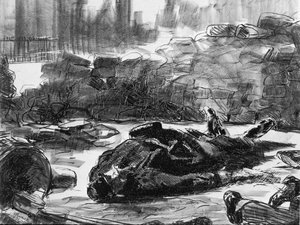
A haunting silence emanates from Édouard Manet’s Guerre Civile , a lithograph that captures not just the chaos of conflict but also the enduring resilience of the human spirit. Executed in 1871 following the brutal suppression of the Paris Commune, this work transcends simple reportage to become a poignant meditation on loss and vulnerability.
Included among the Top 25 artworks at the Detroit Institute of Arts, Guerre Civile showcases Manet’s masterful use of monochrome—a carefully orchestrated dance between deepest blacks and near-whites that amplifies its emotional resonance. The composition is deliberately loose and expressive, mirroring the immediacy of a sketch rendered from life.
Notice how bold, gestural lines define the rugged texture of the rocks and the slumped posture of the fallen soldier, while finer lines capture subtle details. This asymmetry reflects the instability of the era itself. The stark contrast between light and shadow creates a dramatic atmosphere, forcing you to confront the grim realities of conflict.
At OriginalUniqueArt, we believe that art has the power to transform spaces—to evoke emotion, inspire contemplation, and remind us of our shared humanity. Guerre Civile is a testament to this enduring power, a timeless piece that continues to resonate with viewers today.
Woman at Vine Stock, Fourth Variation - Pierre-Auguste Renoir
 Woman at Vine Stock, Fourth Variation - Pierre-Auguste Renoir
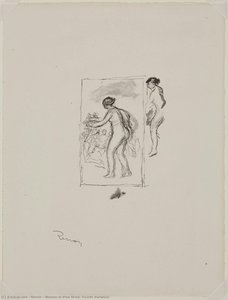
A whisper of sunlight and a gentle breeze seem to emanate from Pierre-Auguste Renoir’s Woman at Vine Stock, Fourth Variation —a sketch that encapsulates the very essence of Impressionistic tranquility. Executed around 1904 as part of his celebrated lithograph suite, this artwork isn't merely a depiction of a moment; it’s an invitation to contemplate the harmonious relationship between humanity and nature.
Included among the Top 25 artworks at the Detroit Institute of Arts, this piece showcases Renoir’s mastery of capturing fleeting beauty with rapid brushstrokes and subtle tonal shifts. Notice how loose, gestural lines prioritize the immediacy of perception over meticulous detail, creating a surface texture that subtly suggests variations in pressure and light.
The monochromatic palette—shades of gray and white—reinforces this focus on nuance and contributes to the artwork’s contemplative mood. The composition prioritizes organic forms within a loosely defined frame, inviting your eye to wander and discover the delicate interplay of light and shadow.
At OriginalUniqueArt, we believe that art has the power to transform spaces—to evoke emotion, inspire contemplation, and bring a sense of calm sophistication to any interior. Woman at Vine Stock is a testament to this enduring power, a timeless piece that continues to resonate with viewers seeking beauty in simplicity.
Virgin Mary Annunciate - Fra Angelico
 Virgin Mary Annunciate - Fra Angelico
A quiet reverence descends as you encounter Virgin Mary Annunciate by Fra Angelico, a masterpiece of early Renaissance artistry that captures the sacred presence of divine grace. Executed in 1431, this painting isn’t merely a depiction of a biblical scene; it's an invitation into a moment of profound contemplation and spiritual serenity.
Included among the Top 25 artworks at the Detroit Institute of Arts, this piece exemplifies Angelico’s meticulous craftsmanship and harmonious balance of color and symbolism. Notice how fine, precise lines outline the figure’s contours, while subtle shading models her face with gentle realism. The textured gold leaf background creates a radiant halo effect, elevating her from the earthly realm.
The warm palette—soft pinks, vibrant blues, and shimmering golds—underscores the sacred nature of the subject. Her downward gaze invites introspection, fostering a sense of connection and reverence. At OriginalUniqueArt, we believe that art has the power to transform spaces—to evoke emotion, inspire contemplation, and bring a sense of calm sophistication to any interior.
Virgin Mary Annunciate is a testament to this enduring power, a timeless piece that continues to resonate with viewers seeking beauty and spiritual connection.
Paul Cézanne - Pierre-Auguste Renoir
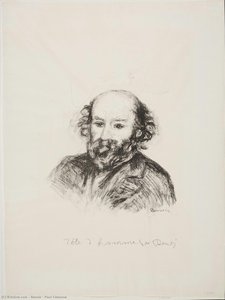 Paul Cézanne - Pierre-Auguste Renoir
A quiet moment frozen in time—Pierre-Auguste Renoir’s charcoal sketch of Paul Cézanne is a testament to the Impressionist fascination with capturing fleeting impressions and conveying emotion through subtle tonal variations. Executed around 1902, this intimate portrait offers a glimpse into Cézanne’s artistic spirit, rendered in deceptively simple lines.
Included among the Top 25 artworks at the Detroit Institute of Arts, this sketch isn't an attempt at photographic realism but rather an endeavor to distill the essence of Cézanne’s presence onto paper. Notice how loose, gestural lines define his facial features and clothing, eschewing meticulous detail for expressive movement. Circular shapes dominate—visible in his face, hair, and collar—embodying Impressionism’s emphasis on organic forms.
The soft, diffused lighting illuminates Cézanne’s visage, fostering an atmosphere of understated elegance. This sketch speaks to the burgeoning artistic dialogue between Impressionists and Post-Impressionists, symbolizing Renoir’s respect for Cézanne’s pioneering vision. At OriginalUniqueArt, we believe that art has the power to transform spaces—to evoke emotion, inspire contemplation, and bring a sense of timeless sophistication to any interior.
Portrait of a Bearded Man - Titian Ramsay Peale II
 Portrait of a Bearded Man - Titian Ramsay Peale II
A profound stillness emanates from Titian Ramsay Peale II’s Portrait of a Man , painted in 1515—a carefully constructed meditation on wisdom and the weight of contemplation. Within its relatively small canvas resides a remarkable confluence of Renaissance ideals, imbued with a distinctly American sensibility.
Included among the Top 25 artworks at the Detroit Institute of Arts, this painting commands attention not through flamboyant display, but through meticulous detail and masterful manipulation of light and shadow. Notice how geometric shapes—the oval of the head, the rectangular cloak—create a sense of balance and order. The muted color palette—deep browns, blacks, and subtle hints of gold—contributes to its somber yet dignified atmosphere.
Peale’s technique is undeniably classical, yet subtly departs from strict adherence to established norms. At OriginalUniqueArt, we believe that art has the power to transform spaces—to evoke emotion, inspire contemplation, and bring a sense of timeless sophistication to any interior. Portrait of a Man is a testament to this enduring power, inviting viewers into a quiet dialogue with history and the human spirit.
Berthe Morisot - Édouard Manet
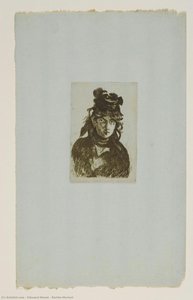 Berthe Morisot - Édouard Manet
Unveiled to discerning eyes, Édouard Manet’s etching of Berthe Morisot is a rare glimpse into the heart of Impressionism—a testament to artistic rebellion and the fleeting beauty of everyday life. More than just a portrait, this artwork embodies the spirit of innovation that defined a generation.
Included among the Top 25 artworks at the Detroit Institute of Arts, this piece prioritizes atmosphere and emotion over photographic accuracy. Notice how loose, sketchy lines delineate Morisot’s face and hair, creating an impressionistic portrayal that captures her contemplative stillness. The elaborate hat she wears—a symbol of feminine adornment—speaks to both societal pressures and individual beauty.
At OriginalUniqueArt, we believe that art has the power to transform spaces—to evoke emotion, inspire contemplation, and bring a sense of timeless sophistication to any interior. Manet’s portrait of Berthe Morisot is a testament to this enduring power, inviting viewers into a quiet dialogue with history and the human spirit.
Saint Jerome in His Study - Jan van Eyck
 Saint Jerome in His Study - Jan van Eyck
To encounter Jan van Eyck’s “Saint Jerome in His Study” is to step into a world of quiet contemplation and unparalleled artistic mastery—a cornerstone of Early Netherlandish painting. Painted around 1430, this work isn't merely a portrait; it’s an intimate invitation into the mind of a profoundly thoughtful figure.
Included among the Top 25 artworks at the Detroit Institute of Arts, this piece showcases Van Eyck’s revolutionary use of oil paint—a medium he essentially redefined. Notice how meticulous detail and layered glazes create a luminous depth previously unattainable, capturing not just outward appearance but also the very essence of inner life.
At OriginalUniqueArt, we believe that art has the power to transform spaces—to evoke emotion, inspire contemplation, and bring a sense of timeless sophistication to any interior. “Saint Jerome in His Study” is a testament to this enduring power, inviting viewers into a quiet dialogue with history and the human spirit.
Nocturne in Black and Gold, The Falling Rocket - James Abbott McNeill Whistler
 Nocturne in Black and Gold, The Falling Rocket - James Abbott McNeill Whistler
A fleeting moment of beauty suspended in time—James Abbott McNeill Whistler’s “Nocturne in Black and Gold, The Falling Rocket” is an experience as much as it is a painting. Completed around 1872, this iconic work embodies the core tenets of Whistler’s aesthetic philosophy – ‘art for art’s sake.’
Included among the Top 25 artworks at the Detroit Institute of Arts, this piece prioritizes tonal harmony and suggestive forms over meticulous detail. Notice how dramatic interplay of black and gold creates an ethereal glow and a remarkable sense of depth. The painting invites us to contemplate not just what we see, but *how* we perceive.
At OriginalUniqueArt, we believe that art has the power to transform spaces—to evoke emotion, inspire contemplation, and bring a sense of timeless sophistication to any interior. “Nocturne in Black and Gold” is a testament to this enduring power, inviting viewers into a quiet dialogue with history and the human spirit.
Child with a Biscuit - Pierre-Auguste Renoir
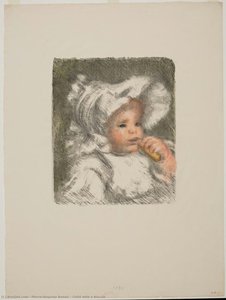 Child with a Biscuit - Pierre-Auguste Renoir
Imagine a quiet moment—a young boy nestled in a blanket, a biscuit clutched delicately in his mouth, bathed in the soft glow of Parisian light. Pierre-Auguste Renoir’s “Child with a Biscuit,” residing within the Detroit Institute of Arts, is more than just a charming depiction; it's an intimate exploration of domesticity and Impressionistic subtlety.
Included among the Top 25 artworks at the DIA, this piece showcases Renoir’s evolving understanding of light, color, and fleeting moments. Notice how broken brushstrokes and a vibrant palette capture the ephemeral quality of life—a sense of warmth, comfort, and perhaps even melancholy. The painting invites us to almost feel the softness of the blanket and the boy's radiant face.
At OriginalUniqueArt, we believe that art has the power to transform spaces—to evoke emotion, inspire contemplation, and bring a sense of timeless sophistication to any interior. “Child with a Biscuit” is a testament to this enduring power, inviting viewers into a quiet dialogue with history and the human spirit.
Le Crotoy, Upstream - Georges Pierre Seurat
 Le Crotoy, Upstream - Georges Pierre Seurat
Imagine a sun-drenched afternoon along the Normandy coast—a gentle breeze rustling through the reeds, the shimmering expanse of water reflecting the brilliant sky. Georges Seurat’s *Le Crotoy, Upstream*, painted in 1889, isn't merely a depiction of this scene; it’s a carefully constructed meditation on perception and the very nature of seeing.
Included among the Top 25 artworks at the Detroit Institute of Arts, this evocative work captures a fleeting moment along the sands of Le Crotoy—a location that held particular significance for Seurat. Notice how thousands of tiny, unmixed dots of color optically blend together in your eye to create an illusion of continuous tone and form. This revolutionary technique—Pointillism—is the very heart of this masterpiece.
At OriginalUniqueArt, we believe that art has the power to transform spaces—to evoke emotion, inspire contemplation, and bring a sense of timeless sophistication to any interior. *Le Crotoy, Upstream* is a testament to this enduring power, inviting viewers into a quiet dialogue with history and the human spirit.
Polichinelle - Édouard Manet
 Polichinelle - Édouard Manet
A fleeting glimpse into Parisian life—Édouard Manet’s “Polichinelle” transcends its apparent casualness to offer a profound commentary on the burgeoning artistic landscape of late 19th-century Paris.
Included among the Top 25 artworks at the Detroit Institute of Arts, this canvas serves as a pivotal moment in Impressionism's ascent—a defiant rejection of academic tradition that nonetheless retains an undeniable elegance. Notice how Manet employs loose brushstrokes and flattened planes of color, prioritizing capturing the effects of light and atmosphere over precise anatomical detail.
At OriginalUniqueArt, we believe that art has the power to transform spaces—to evoke emotion, inspire contemplation, and bring a sense of timeless sophistication to any interior. “Polichinelle” is a testament to this enduring power, inviting viewers into a quiet dialogue with history and the human spirit.
Annunciatory Angel - Fra Angelico
 Annunciatory Angel - Fra Angelico
Imagine a moment suspended in silence—a gentle revelation unfolding within a realm of profound spiritual contemplation. Fra Angelico’s “Annunciatory Angel,” housed within the Detroit Institute of Arts, isn't merely a depiction of a biblical scene; it’s an invitation to experience divine grace.
Included among the Top 25 artworks at the DIA, this painting embodies the artist’s unwavering devotion and meticulous technique. Notice how the angel stands before Mary, her hand delicately poised—a potent symbol of both protection and restraint. The luminous palette and painstaking layering create an effect of astonishing depth and vibrancy.
At OriginalUniqueArt, we believe that art has the power to transform spaces—to evoke emotion, inspire contemplation, and bring a sense of timeless sophistication to any interior. “Annunciatory Angel” is a testament to this enduring power, inviting viewers into a quiet dialogue with history and the human spirit.
Au Paradis - Édouard Manet
 Au Paradis - Édouard Manet
A quiet contemplation on modern life—Édouard Manet’s “Au Paradis,” painted in 1863, isn't merely a depiction of three figures seated indoors; it’s a carefully constructed challenge to the artistic conventions of its time.
Included among the Top 25 artworks at the Detroit Institute of Arts, this seemingly simple composition holds layers of meaning that continue to fascinate. Notice how Manet utilized loose brushstrokes and a muted palette dominated by browns and creams, subtly enhancing the melancholic mood of the scene.
At OriginalUniqueArt, we believe that art has the power to transform spaces—to evoke emotion, inspire contemplation, and bring a sense of timeless sophistication to any interior. “Au Paradis” is a testament to this enduring power, inviting viewers into a quiet dialogue with history and the human spirit.
Ambroise Vollard - Pierre-Auguste Renoir
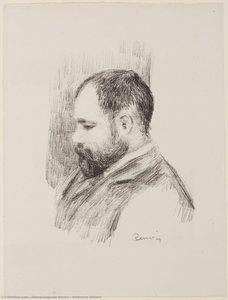 Ambroise Vollard - Pierre-Auguste Renoir
A portrait of quiet contemplation—Pierre-Auguste Renoir’s “Ambroise Vollard,” rendered in evocative monochrome, isn't merely a likeness; it’s a carefully constructed tableau of intellect and introspection.
Included among the Top 25 artworks at the Detroit Institute of Arts, this drawing conveys a sense of inner life, inviting us to speculate on the thoughts swirling behind Vollard’s eyes. Notice how Renoir abandons the vibrant hues characteristic of much of his Impressionist work in favor of a restrained palette of grays and blacks, allowing the subtle nuances of light and shadow to define the portrait’s emotional weight.
At OriginalUniqueArt, we believe that art has the power to transform spaces—to evoke emotion, inspire contemplation, and bring a sense of timeless sophistication to any interior. “Ambroise Vollard” is a testament to this enduring power, inviting viewers into a quiet dialogue with history and the human spirit.
Coco - Pierre-Auguste Renoir
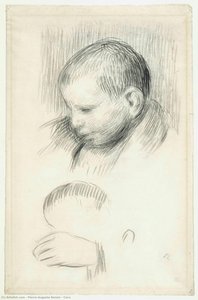 Coco - Pierre-Auguste Renoir
A study in quiet contemplation—Pierre-Auguste Renoir’s “Coco,” a deceptively simple black and white drawing, is far more than a portrait; it’s a window into the artist’s evolving understanding of form, light, and human emotion.
Included among the Top 25 artworks at the Detroit Institute of Arts, this drawing conveys a sense of inner life. Notice how Renoir employs subtle gradations of tone to create a sense of volume and depth, mimicking the way light would play across skin and fabric. This masterful manipulation of shadow isn’t merely about depicting form; it’s about capturing the *feeling* of light.
At OriginalUniqueArt, we believe that art has the power to transform spaces—to evoke emotion, inspire contemplation, and bring a sense of timeless sophistication to any interior. “Coco” is a testament to this enduring power, inviting viewers into a quiet dialogue with history and the human spirit.
The Wedding Dance - Pieter Bruegel the Elder
 The Wedding Dance - Pieter Bruegel the Elder
A vibrant snapshot of festive life—Pieter Bruegel’s “The Wedding Dance,” painted around 1560, isn't merely a depiction of a wedding celebration; it’s a masterful distillation of Northern Renaissance observation and humanist thought.
Included among the Top 25 artworks at the Detroit Institute of Arts, this painting transports us directly into the heart of a rural Flemish gathering. Notice how Bruegel meticulously renders textures—the richly embroidered gowns, sturdy coats, and expressive faces conveying joy and amusement. This masterful manipulation of light enhances the emotional impact of the scene.
At OriginalUniqueArt, we believe that art has the power to transform spaces—to evoke emotion, inspire contemplation, and bring a sense of timeless sophistication to any interior. “The Wedding Dance” is a testament to this enduring power, inviting viewers into a dialogue with history and the human spirit.
Marine - Édouard Manet
 Marine - Édouard Manet
A fleeting moment captured with enduring power—Édouard Manet’s “Marine,” completed in 1865-66, isn't merely a seascape; it’s a declaration of Impressionist ideals.
Included among the Top 25 artworks at the Detroit Institute of Arts, this etching embodies the spirit of capturing sensory impressions rather than meticulously recreating reality. Notice how Manet’s masterful use of etching creates a remarkable illusion of depth and texture, skillfully mimicking the effects of light on water.
At OriginalUniqueArt, we believe that art has the power to transform spaces—to evoke emotion, inspire contemplation, and bring a sense of timeless sophistication to any interior. “Marine” is a testament to this enduring power, inviting viewers into a dialogue with history and the human spirit.
Moonmad - Max Ernst
 Moonmad - Max Ernst
A fragment of surreal wonder—Max Ernst’s “Moonmad” embodies a profound exploration of psychological anxieties and subconscious desires, inviting contemplation on themes of vulnerability and inner turmoil.
Included among the Top 25 artworks at the Detroit Institute of Arts, this sculpture utilizes subtractive casting methods to reveal a stylized face with an open mouth—conveying shock or astonishment. This deliberate distortion prioritizes expressive gesture over realistic representation, mirroring the core tenets of Surrealism.
At OriginalUniqueArt, we believe that art has the power to transform spaces—to evoke emotion, inspire contemplation, and bring a sense of timeless sophistication to any interior. “Moonmad” is a testament to this enduring power, inviting viewers into a dialogue with history and the human spirit.
Judith and Her Maidservant with the Head of Holofernes - Artemisia Gentileschi
 Judith and Her Maidservant with the Head of Holofernes - Artemisia Gentileschi
A moment suspended between courage and horror—Artemisia Gentileschi’s “Judith and Her Maidservant with the Head of Holofernes,” painted in 1624, is a monumental achievement within the Baroque landscape.
Included among the Top 25 artworks at the Detroit Institute of Arts, this painting isn't merely a depiction of biblical narrative; it’s a visceral exploration of defiance and psychological complexity. Notice Gentileschi’s mastery of Caravaggio’s tenebrism—the dramatic manipulation of light and shadow—illuminating Judith’s face while plunging Holofernes’ head into darkness.
At OriginalUniqueArt, we believe that art has the power to transform spaces—to evoke emotion, inspire contemplation, and bring a sense of timeless sophistication to any interior. “Judith” is a testament to this enduring power, inviting viewers into a dialogue with history and the human spirit.
The Execution of Maximilian - Édouard Manet
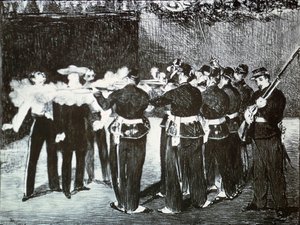 The Execution of Maximilian - Édouard Manet
A moment frozen in time—Édouard Manet’s “The Execution of Maximilian,” painted in 1869, is a searing indictment of imperial ambition and a poignant reflection on the brutal realities of political upheaval.
Included among the Top 25 artworks at the Detroit Institute of Arts, this monochrome masterpiece transcends its historical subject matter to resonate with viewers across generations. Notice Manet’s masterful use of tonal gradation—a deliberate rejection of traditional methods that elevates it beyond simple representation.
At OriginalUniqueArt, we believe that art has the power to transform spaces—to evoke emotion, inspire contemplation, and bring a sense of timeless sophistication to any interior. “The Execution of Maximilian” is a testament to this enduring power, inviting viewers into a dialogue with history and the human spirit.
Melancholy Woman - Pablo Picasso
 Melancholy Woman - Pablo Picasso
A portrait of quiet sorrow—Pablo Picasso’s “Melancholy Woman” stands as a poignant testament to the artist’s profound understanding of human emotion and his masterful manipulation of artistic technique.
Included among the Top 25 artworks at the Detroit Institute of Arts, this painting transcends mere representation; it delves into the complexities of inner turmoil. Notice Picasso’s signature Cubist style—albeit in its nascent stages—disrupting perspective and simplifying forms to challenge conventional notions of visual reality.
At OriginalUniqueArt, we believe that art has the power to transform spaces—to evoke emotion, inspire contemplation, and bring a sense of timeless sophistication to any interior. “Melancholy Woman” is a testament to this enduring power, inviting viewers into a dialogue with history and the human spirit.
Maternity - Pierre-Auguste Renoir
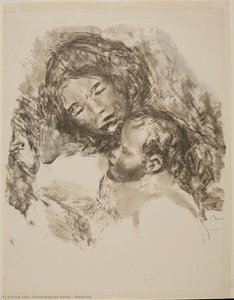 Maternity - Pierre-Auguste Renoir
A moment frozen in light—Renoir’s “Maternity,” painted circa 1873, stands as a quintessential embodiment of Impressionist ideals—a celebration of fleeting beauty and the tender intimacy of domestic life.
Included among the Top 25 artworks at the Detroit Institute of Arts, this painting transcends mere representation; it strives to convey an emotional resonance that speaks directly to the viewer’s soul. Notice Renoir’s masterful manipulation of light and atmosphere—techniques that firmly established him as one of the movement's foremost practitioners.
At OriginalUniqueArt, we believe that art has the power to transform spaces—to evoke emotion, inspire contemplation, and bring a sense of timeless sophistication to any interior. “Maternity” is a testament to this enduring power, inviting viewers into a dialogue with history and the human spirit.
Conclusion
As our journey through the Detroit Institute of Arts draws to a close, we are left not with a mere catalog of masterpieces, but with a sense of connection—a shared experience of beauty, resilience, and the enduring power of human creativity.
These paintings aren’t simply relics of the past; they are living presences, capable of transforming spaces and enriching our daily lives. To gaze upon Van Gogh’s self-portrait is to encounter a soul laid bare; to lose oneself in Monet’s landscapes is to feel the gentle caress of light and air.
At OriginalUniqueArt, we believe that art should be accessible—not confined to museum walls, but woven into the fabric of our homes. We invite you to experience these works anew, to bring their light, texture, and emotion into your own spaces as daily reminders of the grace and wonder that surrounds us.
Explore our full collection and discover the artwork that speaks to your soul. Let these timeless treasures inspire you, challenge you, and remind you of the boundless beauty within reach.