Switch to Print
 Read More







































 For artworks or reproductions larger than 105 cm (approximately 41 inches) on any side, the frame will be shipped as a kit, disassembled. This method ensures safe delivery and prevents damage during transport.


A Heroic Encounter in Oil: The Timeless Allure of Perseus and Andromeda
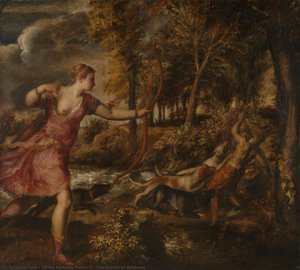
In the grand tapestry of nineteenth-century American art, few works capture the dramatic tension of classical mythology as vividly as Titian Ramsay Peale II’s Perseus and Andromeda. This monumental oil on canvas is far more than a mere historical record; it is a breathtaking window into a world where divine intervention meets mortal peril. As the viewer's eye meets the canvas, they are immediately swept into a scene of high drama, where the salt spray of the sea seems to mingle with the heavy, atmospheric clouds of a tempestuous sky. Peale, a descendant of one of America’s most illustrious artistic lineages, masterfully bridges the gap between the burgeoning identity of the New World and the refined, humanist ideals of the Old World Renaissance.The narrative strength of the piece lies in its masterful execution of chiaroscuro, where deep, velvety shadows clash against brilliant highlights to sculpt the figures from the darkness. At the heart of this composition is the pyramidal arrangement of the protagonists, a technique that provides both stability and a focal point for the unfolding rescue. Perseus, descending through the air with his sword drawn, embodies the very essence of righteous action and heroic determination. Below him, Andromeda stands bound to the rugged rocks, her vulnerability palpable against the encroaching threat of Cetus, the fearsome sea monster. The artist’s brushwork, though meticulous in its rendering of texture, retains a certain dynamism that breathes life into the swirling waters and the muscular tension of the scene.
Symbolism and the Echo of Antiquity
Beyond the immediate spectacle of the rescue, Peale weaves a complex web of symbolism that rewards the contemplative observer. Every element within this mythological landscape serves a higher purpose in the storytelling. The chains encircling Andromeda are not merely physical restraints but symbols of the human condition—the weight of fate and the vulnerability of innocence. Yet, amidst this peril, there is an unmistakable sense of hope; the birds circling high above the fray act as celestial messengers, signifying freedom and the approaching dawn of salvation. Even the subtle presence of a lion in the background serves to mirror Perseus’s own indomative courage, grounding the mythological event in a landscape of primal strength.
For the discerning collector or interior designer, this painting offers an unparalleled opportunity to introduce a sense of narrative depth and classical elegance into a space. Whether placed in a grand library or as a commanding centerpiece in a contemporary salon, Perseus and Andromeda commands attention through its rich color palette and profound emotional resonance. It is a work that does not merely decorate a wall but enriches the very atmosphere of a room, inviting guests to linger and lose themselves in the eternal struggle between darkness and light, between the monster and the hero.
Questions & Answers
What color intensity does "Perseus and Andromeda" by Titian Ramsay Peale II have?
"Perseus and Andromeda" by Titian Ramsay Peale II shows a monochromatic color intensity.
What is "Perseus and Andromeda" about, and what atmosphere does it have?
"Perseus and Andromeda" shows mythology, greek mythology, rescue narrative, classical art, renaissance painting, perseus andromeda, sea monster combat, and its recorded mood is elegant.
What is "Perseus and Andromeda" made with?
Titian Ramsay Peale II used the oil on canvas technique for "Perseus and Andromeda". The technique defines the material nature of the original work.
More about this painting
 Preview
 Send
Send Share
Share
 Details
 Guide
Guide

 Download
 Similars
 X-Ray
X-Ray Diaporama
 Q&A
Q&A Stats
Stats