Preview
 Send
Send Share
Share
 Details
 Guide
Guide

 Download
 Similars
 X-Ray
X-Ray Diaporama
 Q&A
Q&A Stats
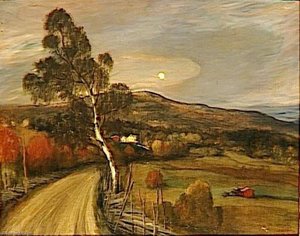
StatsLion en cage


 Read More
Giclée / Art Print
Museum-quality giclée or canvas print with fast production and flexible finish options. ( Buy Hand Made Painting Switch to Digital Image)




































Pick from our preset sizes that match the artwork's original proportions.

Type the width and the height you need, to fit your frame or your wall. A print can only be cut, never made bigger than the picture, so a size with a different shape loses a part of the image. We send you a digital mockup to approve before we print anything. The picture shown on this page does not show the real cut — only the mockup does.
Worldwide Delivery () in 2 weeks instead of standard 4/5 weeks. (4 November)

Free Worldwide Express Shipping

High-Quality Linen Canvas

Full Shipping Insurance

Customs Tax Refund Guarantee

True Color Matching Guarantee

100-Day Return Policy (Defects Only)

100% Money-Back Guarantee

Bulk Discount Offer
 Glass option is only available in size under 110 CM

Lion en cage
Giclée / Art Print
Reproduction Size
-


Total Price
$ 81
Lion en cage by Théophile Alexandre Steinlen: A Study in Captivity
- Subject Matter: This poignant artwork depicts a lion confined within a cage, a powerful symbol of captivity and loss of freedom. The scene immediately draws the viewer into a contemplation of restriction and vulnerability.
Style and Technique: Echoes of Impressionism and Art Nouveau
- Artistic Style: Steinlen’s “Lion en cage” exemplifies a style reminiscent of late 19th-century European art, drawing influences from both Impressionism and Post-Impressionism. The loose brushwork and emphasis on capturing the overall impression rather than precise detail are hallmarks of this approach. There's also a clear connection to Art Nouveau aesthetics in its decorative quality and flowing lines.
- Technical Execution: The artwork is an oil painting on canvas, evident through the visible brushstrokes that add depth and dimension. Lines are used gesturally, particularly in depicting the lion’s fur and musculature. The cage bars are suggested with broad strokes rather than precise lines, contributing to the overall impressionistic style. A clear light source from the left illuminates the lion's side, creating shadows that emphasize its form and the feeling of enclosure.
Composition and Emotional Impact
- Visual Elements: The composition is relatively simple yet effective. The lion dominates the frame, positioned slightly off-center to create visual interest. The dark, undefined background emphasizes the animal's isolation. Horizontal emphasis is created by the cage bars and the lion’s posture. The color palette—muted browns, grays, and blacks with touches of ochre and beige—contributes significantly to the somber mood.
- Emotional Resonance: "Lion en cage" evokes feelings of sadness, loneliness, and confinement. The lion, traditionally a symbol of strength and power, appears diminished and vulnerable within its cage. This contrast amplifies the emotional impact, prompting reflection on themes of captivity and loss. It can be interpreted as a metaphor for human conditions, resonating with viewers on a deeper level.
Historical Context and Steinlen's Oeuvre
- The Artist: Théophile Alexandre Steinlen (1859-1923) was a Swiss-born French artist renowned for his Art Nouveau posters, cat illustrations, and depictions of Parisian life. He studied at the University of Lausanne before honing his skills in Mulhouse and later finding artistic community in Montmartre, Paris. His work often reflected social commentary and captured the spirit of the Belle Époque.
- Influences and Connections: Steinlen’s style shows influence from artists like Degas, who frequently depicted animals in captivity. The artwork aligns with his broader artistic interests in portraying marginalized figures and exploring themes of urban life and social issues. His lithograph "Les chanteurs des rues," the frontispiece to “Chansons de Montmartre,” demonstrates a similar expressive style.
Questions & Answers
Does "Lion en cage" have an augmented reality preview?
The AR Preview page of "Lion en cage" by Theophile Alexandre Steinlen uses augmented reality to show the artwork in your own space, on a compatible device.
What color harmony does "Lion en cage" by Theophile Alexandre Steinlen display?
"Lion en cage" by Theophile Alexandre Steinlen displays a discordant palette color harmony.
Is a download available for "Lion en cage"?
"Lion en cage" by Theophile Alexandre Steinlen can be downloaded from the artwork's Download page, as a high-resolution digital image download.
Artist Biography
The Soul of Montmartre: The Life and Legacy of Théophile Steinlen
Théophile Alexandre Steinlen was far more than a mere illustrator; he was the visual poet of the Belle Époque, a man whose brush and lithographic stone captured the very heartbeat of Paris. Born in 1859 in Lausanne, Switzerland, his journey from the quiet landscapes of his Swiss youth to the smoky, vibrant cabarets of Montmartre is a quintessential tale of artistic destiny. His early years were marked by a disciplined approach to design, honed during his time working in textile mills in Mulhouse. This period of practical apprenticeship instilled in him a meticulous precision and an eye for pattern that would later become a hallmark of his iconic poster work. However, the call of the avant-garde was irresistible, leading him to the bohemian epicenter of France, where he would eventually weave himself into the very fabric of Parisian culture.
Upon arriving in Paris, Steinlen found himself immersed in a whirlwind of creative energy. Influenced by the legendary artistic circles surrounding Le Chat Noir, he moved among the luminaries of the era, forging deep connections with figures such as Adolphe Willette and François Bocion. It was within this atmosphere of radical experimentation that his style began to coalesce. He possessed a unique ability to blend the delicate, flowing lines of the Art Nouveau movement with a gritty, empathetic realism. While many of his contemporaries focused solely on the ethereal or the aristocratic, Steinlen turned his gaze toward the streets, finding profound beauty in the overlooked: the street performers, the working class, and the nocturnal wanderers of the city.
Mastery of Line and the Art of the Poster
Steinlen’s technical prowess was most vibrantly displayed through his mastery of printmaking and lithography. He understood, perhaps better than any artist of his generation, the power of the poster as a medium of mass communication and public emotion. His work for Aristide Bruant’s legendary cabaret productions transformed advertising into high art, using bold silhouettes and striking color palettes to command the attention of every passerby on the Parisian boulevards. These works were not merely advertisements; they were windows into a lifestyle of rebellion, romance, and rhythmic vitality.
Beyond the commercial allure of his posters, Steinlen’s oeuvre is characterized by a remarkable versatility in subject matter:
- The Elegance of Nature: His early landscapes and floral studies reflected an Impressionistic sensitivity to light and the fleeting beauty of the natural world.
- The Feline Muse: He became world-renowned for his charming and often whimsical illustrations of cats, using the animal's fluid grace to mirror the aesthetic curves of Art Nouveau.
- Social Empathy: His sketches of the Parisian populace served as a poignant social commentary, capturing the dignity and the struggle of the urban poor with an unflinching yet tender hand.
A Lasting Impression on Art History
The historical significance of Théophile Steinlen lies in his ability to bridge the gap between fine art and popular culture. He elevated the ephemeral nature of street posters to the status of museum-worthy masterpieces, ensuring that the spirit of the Belle Époque would endure long after the era itself had faded. His work remains a vital touchstone for understanding the transition from the romanticism of the 19th century to the modern graphic sensibilities of the 20th century.
Even today, Steinlen’s influence can be felt in the way we perceive the intersection of design and emotion. He taught us that art does not only belong in gilded galleries but lives in the streets, in the shadows of a cabaret, and in the quiet gaze of a stray cat. Through his prolific output, he left behind a visual legacy that continues to enchant, reminding us of a time when Paris was the undisputed center of the artistic universe, and where every line drawn could tell a story of human connection and urban magic.
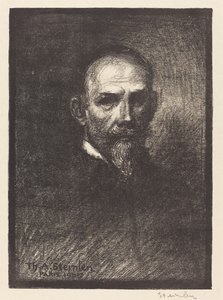
Theophile Alexandre Steinlen
1859 - 1923 , Switzerland
Quick Facts
- Full Name: Théophile Alexandre Steinlen
- Nationality: Swiss-French
- Date Of Birth: 1859
- Date Of Death: 1923
- Place Of Birth: Lannes, Switzerland
- Notable Artworks:
- Les chanteurs des rues
- Lion en cage
- Portrait Drawing Of Suzanne Valadon
- Artistic Movement Or Style: Art Nouveau
- Artists Who Influenced This Artist: ['François Bocion']
- Artists Or Movements Influenced By This Artist: ['Belle Époque']
Related Articles
Animalia: Exploring the Enduring Presence of Animals in Art & Interior Design
Explore the rich history of animal symbolism in art, from ancient mythology to modern masterpieces. Discover how animals have inspired artists for centuries and learn how to incorporate these powerful motifs into your home décor.

Iconic Creatures: A Scholarly Exploration of the World's Greatest Animal Masterpieces in Art History
Embark on a scholarly journey through the world's greatest animal masterpieces. From ancient symbols to Impressionist light, explore the profound history of zoological art and discover museum-quality, hand-painted oil reproductions curated for the discerning collector.
Beastly Brushstrokes: A Historical Journey Through Animal Painting & Aesthetic Movements
Explore the rich history of animal painting across cultures & movements. Discover iconic artists, symbolism, collecting trends & expert art consultation at OriginalUniqueArt.com.

Beyond the Screen: Transforming Personal Memories into Timeless AI-Driven Anime Masterpieces
Experience the magic of digital metamorphosis. Transform your cherished photos into stunning, hand-painted anime masterpieces using our proprietary AI technology and professional artists. Elevate your personal story with a timeless, high-quality oil painting on canvas.

Digital Metamorphosis: Transforming Personal Photos into Stunning AI-Driven Anime Masterpieces
Transform your photos into breathtaking anime masterpieces with OriginalUniqueArt.com. Our advanced AI reconstructs reality through the lens of legendary animation, offering everything from digital magic to hand-painted oil canvases. Elevate your personal story and become an anime star!