Preview
 Send
Send Share
Share
 Details
 Guide
Guide

 Download
 Similars
 X-Ray
X-Ray Diaporama
 Stats
StatsMars and Venus


 Read More
Giclée / Art Print
Museum-quality giclée or canvas print with fast production and flexible finish options. ( Buy Hand Made Painting Switch to Digital Image)




P118B $10

P118H $10

P118W $10

P438Z $10

P508JH $12

P508YH $12

P805H $10

P805Z $10

P919BZ $10

P919G $10

P919XJ $10

P959ZH $10

P968JZ $12

W106C $8

W218G $10

W218JH $8

W218Y $10

W307PJ $10

W316G $10

W316PJ $8

W316Y $10

W398PJ $8

W4111J $10

W500HY $15

W500JH $15

W692G $12

W849H $8

W940BG $15

W953PJ $8




Pick from our preset sizes that match the artwork's original proportions.

Type the width and the height you need, to fit your frame or your wall. A print can only be cut, never made bigger than the picture, so a size with a different shape loses a part of the image. We send you a digital mockup to approve before we print anything. The picture shown on this page does not show the real cut — only the mockup does.
Worldwide Delivery () in 2 weeks instead of standard 4/5 weeks. (22 October)

Free Worldwide Express Shipping

High-Quality Linen Canvas

Full Shipping Insurance

Customs Tax Refund Guarantee

True Color Matching Guarantee

100-Day Return Policy (Defects Only)

100% Money-Back Guarantee

Bulk Discount Offer
 Glass option is only available in size under 110 CM

Mars and Venus
Giclée / Art Print
Reproduction Size
-


Total Price
$ 81
A Symphony of Passion and Power
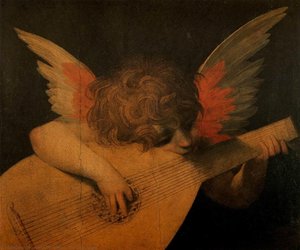
In the quiet corridors of the Musée du Louvre, there exists a window into a world where the boundaries between divine myth and human vulnerability dissolve. Rosso Fiorentino’s “Mars and Venus,” completed around 1530, is not merely a depiction of Roman deities; it is a profound exploration of the tension between conquest and surrender. As a cornerstone of Florentine Mannerism, this work deliberately pivots away from the serene, balanced perfection of the High Renaissance. Instead, it invites the viewer into a realm of stylized forms and psychological depth, where every line and shadow whispers of an underlying emotional turbulence. To behold this piece is to witness the moment where the classical ideal meets the restless spirit of a changing era.
The visual narrative unfolds with a captivating dynamism that draws the eye through a carefully choreographed dance of figures. At the heart of the composition, we encounter the muscular Mars and the elegantly draped Venus, their interaction serving as a masterclass in movement and contrast. The artist’s technique—a masterful marriage of pen and ink drawing with subtle color washes—allows for an ethereal translucency. One can almost feel the ripple of fabric across Venus's gown, mirroring the powerful, grounded stance of the god of war. Through the meticulous use of hatching and cross-hatching, Rosso Fiorentino sculpts form out of shadow, creating a sense of weight and presence that makes the mythological scene feel startlingly intimate and real.
The Tension of an Era
To understand the soul of this artwork, one must look to the historical currents flowing through 16th-century Europe. Painted during the reign of François I, "Mars and Venus" reflects a period of profound cultural anxiety. The stability of the Renaissance was giving way to the complexities of the Reformation and new artistic explorations that favored distortion over harmony. This is the essence of Mannerism: a deliberate departure from classical conventions to express inner turmoil. In this piece, the figures are not presented as static icons of virtue but as individuals caught in a web of conflicting desires. The interplay between the strength of Mars and the seductive repose of Venus symbolizes the eternal struggle between the destructive forces of war and the transformative power of love.
For the discerning collector or interior designer, this artwork offers more than just aesthetic beauty; it provides a focal point of intellectual and emotional gravity. A high-quality reproduction of this masterpiece brings with it a sense of historical prestige and a sophisticated narrative layer to any space. Whether placed in a contemporary gallery setting or a classic study, the dramatic contrasts and fluid lines of Rosso Fiorentino’s work command attention, acting as a conversation piece that bridges the gap between the ancient mythic past and the modern emotional experience. It is an invitation to contemplate the beautiful, often chaotic, dance of human passion.
Questions & Answers
What atmosphere does "Mars and Venus" have?
The overall mood of "Mars and Venus" by Rosso Fiorentino is dramatic. The mood describes the general atmosphere of the work.
How is "Mars and Venus" situated historically?
"Mars and Venus" by Rosso Fiorentino belongs to the Renaissance Mannerism movement, within the Renaissance period. Together they give the work its place in art history.
What mood does "Mars and Venus" by Rosso Fiorentino express within Renaissance Mannerism?
"Mars and Venus" carries a powerful emotional tone within the Renaissance Mannerism movement.
Artist Biography
A Life Painted in Fire: The Dramatic World of Rosso Fiorentino
Giovanni Battista di Jacopo, known to the world as Rosso Fiorentino – “The Red Florentine” – was a name whispered with both admiration and a touch of unease during the Italian Renaissance. Born in Florence on March 8th, 1495, his very nickname alluded to the fiery spirit that would come to define not only his appearance but also his intensely emotional and innovative art. Rosso wasn’t merely a painter; he was a harbinger of change, a pivotal figure bridging the High Renaissance's classical ideals with the burgeoning complexities of Mannerism. His journey, marked by artistic exploration, political upheaval, and ultimately, a premature death in Fontainebleau in 1540, left an indelible mark on the landscape of European art.Formative Years and Florentine Foundations
Rosso’s artistic education began within the esteemed workshop of Andrea del Sarto, one of Florence's leading masters. This environment proved crucial, placing him alongside another rising star, Pontormo. The two artists shared a space for experimentation, fostering a creative rivalry that pushed both to explore beyond conventional boundaries. The influence of the Florentine school was deeply ingrained during these formative years; however, even early works reveal Rosso’s distinct inclination towards dramatic intensity and an expressive use of color – qualities that would set him apart. He absorbed the lessons of perspective and anatomical accuracy but quickly began to imbue his figures with a psychological depth rarely seen in earlier Renaissance art. Early paintings like the *Holy Family with the Infant Saint John the Baptist* demonstrate this emerging style, hinting at the emotional turbulence that would characterize his mature work.The Roman Interlude and the Seeds of Mannerism
In 1523, Rosso ventured to Rome, a city brimming with artistic energy and the monumental achievements of Michelangelo and Raphael. This period proved transformative. He was profoundly impacted by Michelangelo’s powerful figures and dynamic compositions, as well as Raphael's refined grace. However, rather than simply imitating these masters, Rosso synthesized their influences into something uniquely his own. The Sack of Rome in 1527 brought chaos and destruction, forcing Rosso to flee the city and marking a turning point in his career. This traumatic event seems to have intensified the emotional undercurrents within his art, pushing him further away from the High Renaissance’s emphasis on harmony and towards the more unsettling aesthetic of Mannerism.French Patronage and Lasting Legacy
Rosso's journey eventually led him to France in 1530, where he entered the service of King Francis I. This marked a new chapter, as he became a key figure in the decoration of the Château de Fontainebleau, alongside other prominent artists. Here, he was given considerable freedom to experiment and develop his style further. The *Gallery of Francis I* at Fontainebleau stands as a testament to his skill, showcasing allegorical scenes filled with elongated figures, vibrant colors, and complex symbolism. He also created works like *Elephant*, demonstrating an ability to capture the essence of his subjects with remarkable detail. Sadly, Rosso’s time in France was cut short by illness; he died in 1540 at the age of forty-five. Despite his relatively brief career, Rosso Fiorentino's influence resonated throughout Europe. His style profoundly impacted artists like Francesco Primaticcio, who succeeded him at Fontainebleau, and helped to solidify Mannerism as a dominant force in art for decades to come. His paintings, now found in museums worldwide – including the Galleria Nazionale d'Arte Moderna e Contemporanea in Rome, the Pinacoteca Comunale in Volterra, and the Duomo in Città di Castello – continue to captivate viewers with their dramatic power and emotional depth, ensuring that the “Red Florentine” remains a vital and compelling figure in art history.
Rosso Fiorentino
1495 - 1540 , Italy
Quick Facts
- Full Name: Giovanni Battista di Jacopo
- Nationality: Italian
- Date Of Birth: 1495
- Date Of Death: 1540
- Place Of Birth: Florence, Italy
- Notable Artworks:
- The Deposition
- Elephant
- Moses and Jethro's Daughters
- Artistic Movement Or Style: Mannerism
- Artists Who Influenced This Artist:
- Michelangelo
- Raphael
- Artists Or Movements Influenced By This Artist: ['Francesco Primaticcio']
Related Articles
Beyond Imitation: The Strategic Role of Fine Art Reproductions in Contemporary Gallery Practices
Explore the strategic role of fine art reproductions in today's galleries. Discover how they cultivate collectors, enhance education & expand access to art. Expert insights for discerning buyers and professionals.

Beyond Replication: Sustaining Art Heritage Through Inspired Reproductions in Contemporary Interiors
Discover museum-quality art reproductions & bespoke paintings crafted by skilled artists. Elevate your home with timeless masterpieces – ethically sourced, expertly curated, and guaranteed to inspire. Explore our collection today!
Beyond Imitation: The Cultural Resonance of Fine Art Reproduction & Discerning Collectors
Explore the cultural significance of fine art reproduction & its appeal to discerning collectors. Discover how reproductions enhance aesthetics, build collections, and signal status. Expert insights & museum-quality artistry.
Reproducing Artistry: A Guide to Oil, Canvas & Paper Reproduction Mediums
Explore the world of art reproduction! Learn about oil, canvas & paper options with our expert guide. Discover museum-quality reproductions for your home or collection.
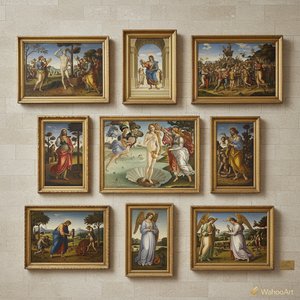
Early Renaissance Masters: 10 Paintings That Changed Art History |
Journey through the Early Renaissance! Explore 10 iconic paintings by Botticelli, Leonardo da Vinci & Michelangelo. Discover their stories, techniques & lasting impact. Find museum-quality art reproductions and elevate your home decor with .