The Enduring Appeal: A History of Art Reproduction & Its Modern Renaissance
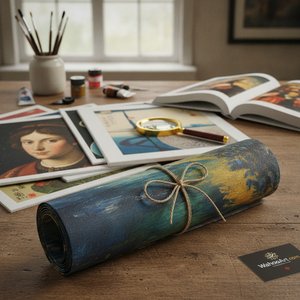
For centuries, the human desire to possess beauty has fueled a parallel practice alongside creation itself – that of replication. It wasn’t merely about acquiring what was unattainable; it was an intrinsic need to understand, to learn, and ultimately, to commune with artistic genius. The earliest forms weren't driven by commerce but by devotion. Consider the meticulous copies of Greek sculptures undertaken by Roman artisans, not as acts of plagiarism, but as exercises in mastery, a way to internalize the principles of form and proportion. During the Renaissance, workshops thrived on the careful transcription of masterworks – apprentices honing their skills through painstaking imitation of Raphael, Michelangelo, or Leonardo da Vinci. These were foundational steps in an artist’s education, imbued with respect rather than rivalry. The advent of printmaking—woodcuts, engravings, and later lithography—broadened access exponentially, democratizing imagery previously confined to the palaces of nobility and the hallowed halls of churches. Yet, even then, a shadow of doubt lingered. Walter Benjamin's profound essay, “The Work of Art in the Age of Mechanical Reproduction” (1935), articulated a growing anxiety: that mass production eroded the ‘aura’—the unique presence and historical context—of an artwork. Today, however, we stand at a fascinating juncture. Contemporary reproductions aren’t simply mechanical copies; they represent a sophisticated evolution, a nuanced practice that seeks to bridge the gap between accessibility and authenticity.
Beyond 'Copying': Distinguishing Museum-Quality Reproductions from Common Prints
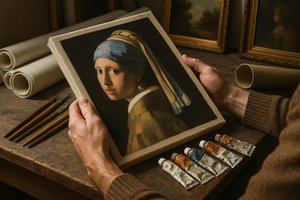
The term ‘reproduction’ often conjures images of mass-produced posters or low-resolution digital prints. But true museum-quality reproductions are a world apart, born from a dedication to craftsmanship and an unwavering respect for the original artist's intent. The critical distinction lies in the execution process. These aren’t churned out by machines; they are meticulously crafted by skilled artists—individuals possessing not only technical proficiency but also a deep understanding of art history and technique. This translates into careful attention to every detail: the subtle nuances of brushstroke, the precise layering of color, the texture of the canvas itself. The materials employed are paramount – high-quality oil paints that retain their vibrancy for generations, 100% cotton canvases stretched tautly over sturdy frames, archival inks designed to resist fading and degradation. Unlike digital prints which often appear flat and lacking in depth, hand-painted reproductions possess a tactile quality, an inherent richness that invites closer inspection. The choice of framing is equally crucial—a well-chosen frame not only protects the artwork but also complements its style and enhances its overall aesthetic impact. It’s about more than simply recreating an image; it's about capturing the *spirit* of the original work.
Curating Your Vision: Integrating Reproductions into Contemporary Interior Design Styles
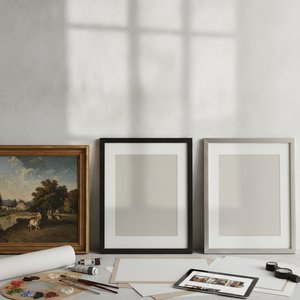
Contemporary interior design is increasingly defined by personalization, a desire to create spaces that reflect individual taste and tell compelling stories. Reproductions offer an unparalleled opportunity to curate environments imbued with narrative depth without the financial constraints associated with acquiring original masterpieces. Imagine a living room bathed in the soft light of Impressionist landscapes—a series of Monet or Renoir prints evoking a sense of tranquility and escape. Or perhaps a dining room graced by a hand-painted reproduction of a Renaissance portrait, adding a touch of classical elegance and intellectual gravitas. The versatility of reproductions extends beyond stylistic considerations; they can be customized to suit specific color palettes, sizes, and framing preferences, seamlessly integrating into existing décor schemes. Furthermore, reproductions allow clients to explore different artistic movements and periods—experimenting with bold Pop Art prints or minimalist abstract compositions—without significant financial risk. They become conversation starters, focal points that reflect a client’s passions and cultural interests.
Building a Collection: The Value and Accessibility of Fine Art Reproductions
The art market can often feel exclusive, intimidating even. Original artworks command substantial prices, placing them beyond the reach of many aspiring collectors. Reproductions offer a compelling alternative—a gateway to engaging with great art without the prohibitive financial barriers. While reproductions may not appreciate in value in the same way as originals, they can still represent a sound investment, particularly when purchased from reputable sources that prioritize quality and craftsmanship. Limited-edition prints signed by artists or reproductions created using archival materials are likely to retain their value over time. More importantly, reproductions foster a broader appreciation for art—by making masterpieces accessible to wider audiences, they encourage engagement with artistic heritage and cultural dialogue. Galleries are increasingly recognizing the strategic role of reproductions in cultivating new collectors and enhancing education, offering workshops and consultations that demystify the art world.
Digital Innovation & the Future of Reproduction: AI, VR, and Sustainable Practices
The rise of digital technology has profoundly transformed the landscape of art reproduction, opening up exciting new possibilities for customization and accessibility. Giclée printing, with its incredibly accurate color fidelity and archival inks, has become a standard for high-quality reproductions. Online platforms provide access to vast libraries of artworks from diverse periods and styles, making it easier than ever to discover new artists and curate personalized collections. The ability to upload personal photos and transform them into custom paintings further enhances personalization—a cherished family portrait rendered in the style of Van Gogh or a beloved pet immortalized as a Renaissance noble. However, emerging technologies promise even more radical innovations. Artificial intelligence (AI) is being used to enhance image resolution, restore damaged artworks, and even create personalized reproductions based on individual preferences. Virtual reality (VR) and augmented reality (AR) offer immersive experiences—allowing clients to visualize reproductions in their own homes before purchase, assessing scale, color harmony, and overall impact. The growing demand for sustainable materials and ethical sourcing practices is also driving innovation, with companies exploring eco-friendly alternatives to traditional canvas and paint.
Ethical Considerations: Respecting Artists' Rights in the Age of Replication
The ethical dimensions of art reproduction are often overlooked but remain critically important. It’s essential to purchase reproductions from sources that respect artists’ copyrights and intellectual property rights—ensuring fair compensation for artists or their estates. Reputable companies obtain licenses for artworks, meticulously documenting provenance and adhering to strict legal standards. Furthermore, responsible sourcing practices are paramount—prioritizing materials that are environmentally sustainable and ethically produced. Transparency is also crucial; discerning collectors should inquire about the manufacturing process and the origins of the materials used. Supporting companies that prioritize ethical practices helps to foster a more sustainable and equitable art market, ensuring that artists are fairly compensated for their work and that future generations can continue to enjoy the beauty and inspiration of great art. OriginalUniqueArt.com is committed to providing high-quality reproductions created with respect for artistic integrity and ethical sourcing practices, offering a curated selection of masterpieces accessible to all.