Menu
FREE ART CONSULTATION
PreviewPreview AR previewAR preview Buy Print Buy PrintBuy Image Buy Image SendSend
DetailsDetails Add to favorites Add to favorites DownloadDownload SimilarsSimilars X-RayX-Ray DiaporamaDiaporama

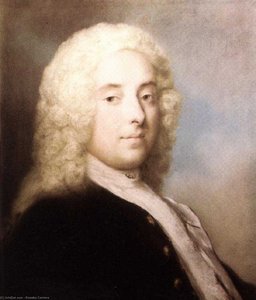
Self-Portrait

Explore Rosalba Carriera Peale's captivating portrait of her daughter, capturing a moment of serene beauty and familial connection. Discover details about her life and artistic legacy.

Rosalba Carriera (1675-1757): Venetian Rococo master of pastel & miniature portraiture, achieving international acclaim as one of history's most successful women artists.

Hand Made Oil Reproduction

Hand-painted oil on canvas in your size and frame, made to order by our artists. (Buy Print Buy PrintBuy Image Buy Image)

P118B $10
P118H $10
P118W $10
P438Z $10
P508JH $12
P508YH $12
P805H $10
P805Z $10
P919BZ $10
P919G $10
P919XJ $10
P959ZH $10
P968JZ $12
W106C $8
W218G $10
W218JH $8
W218Y $10
W307PJ $10
W316G $10
W316PJ $8
W316Y $10
W398PJ $8
W4111J $10
W500HY $15
W500JH $15
W692G $12
W849H $8
W940BG $15
W953PJ $8

Standard
custom
CM
INCH

Pick from our preset sizes that match the artwork's original proportions.

width
height

You may enter your own dimensions to fit a specific frame or space. If your selected size does not match the original image's proportions, we will either crop the artwork or extend the painting with additional hand-painted elements. A digital mockup will be sent for your approval before production begins.
Please note that the on-screen preview does not reflect the actual cropping or extension. Only the mockup will accurately show the final composition.
While custom sizes are available, we recommend selecting a dimension from the predefined list to preserve the original proportions.

Examples of what can be changed: Replace face with customer photo; Add pet (e.g., replace cat with dog); Include hidden message in background; Change background landscape or elements.
After order, OriginalUniqueArt.com team will email client for instructions and provide a mockup preview

Worldwide Delivery () in 3/4 weeks instead of standard 5 weeks. (16 August). No compromise on quality.

why_choose_icon
Free Worldwide Express Shipping
why_choose_icon
High-Quality Linen Canvas
why_choose_icon
Full Shipping Insurance
why_choose_icon
Customs Tax Refund Guarantee
why_choose_icon
True Color Matching Guarantee
why_choose_icon
60-Day Return Policy (Defects Only)
why_choose_icon
100% Money-Back Guarantee
why_choose_icon
Bulk Discount Offer

Total Price

$ 300

reproduction

Self-Portrait

Reproduction Medium

Reproduction Size

-

Total Price

$ 300

Quick Facts

  • Dimensions: 31 x 25 cm
  • Medium: Pastel painting
  • Subject or theme: Portrait of a woman
  • Year: 1746
  • Artist: Rosalba Carriera

Art Quiz

There is only one correct answer for each question.

Question 1:
What is the title of the artwork?
Question 2:
In what year was this painting created?
Question 3:
Which artist is associated with this work?
Question 4:
What medium or style is suggested by the description of the colors?
Question 5:
What object is visible in the background of the portrait?

Artwork Description

A Glimpse into Eighteenth-Century Venetian Grace

To stand before this self-portrait of Rosalba Carriera is to step directly into the luminous, sophisticated atmosphere of 18th-century Venice. The painting captures not merely a likeness, but an entire moment—a carefully curated presentation of feminine poise and intellectual depth. The subject gazes out with a direct, almost challenging seriousness, her expression suggesting a woman accustomed to being observed, yet entirely comfortable within the spotlight. The pastel palette employed by Carriera is breathtaking; these soft, ethereal tones lend the piece an immediate sense of nostalgia, wrapping the viewer in the gentle haze of bygone elegance.

Mastery in Pastel: Technique and Texture

Carriera’s technical brilliance shines through every delicate brushstroke. The choice of pastel medium was revolutionary for its time, allowing her to achieve a luminosity and subtlety of color that mimics the soft glow of candlelight. Notice the exquisite rendering of the white garments—the dress and scarf—which seem almost translucent against the muted tones of the background wall. This masterful handling of light is particularly evident in the subtle sheen suggested on the gold necklace adorning her neck. The inclusion of a clock on the wall subtly anchors the portrait in time, contrasting the timeless quality of the sitter's gaze with the relentless march of minutes.

The Context of Self-Definition

Painted around 1746, this work emerges from a period when female artists, particularly those like Carriera, were navigating complex social and professional landscapes. As a celebrated portraitist, Rosalba was not just recording appearances; she was participating in the very definition of contemporary beauty and status. The self-portrait, whether by her own hand or commissioned to reflect her persona, speaks volumes about ambition tempered by grace. It is a testament to an individual who carved out renown through sheer artistic merit in a demanding cultural hub.

Emotional Resonance for the Modern Collector

This piece transcends mere portraiture; it offers an emotional connection to refined femininity and enduring artistry. For the collector or designer, this painting serves as a breathtaking focal point. Imagine its soft hues illuminating a drawing-room corner or gracing a gallery wall. It whispers tales of Venetian salons and powdered wigs while maintaining a quiet dignity. Owning a reproduction allows one to incorporate a piece steeped in history—a tangible echo of 18th-century artistry, perfect for those who appreciate the delicate balance between historical grandeur and intimate personal style.


Artist Biography

A Venetian Luminary: The Life and Art of Rosalba Carriera

Rosalba Carriera emerged from the vibrant artistic milieu of 18th-century Venice as a true innovator, defying societal expectations to become one of the most celebrated portraitists of her time. Born in 1675 into a family of modest means—her mother a skilled lacemaker and her father a lawyer—Carriera’s path to artistic renown was initially unconventional. The decline of the Venetian lace industry prompted the family to seek alternative livelihoods, leading young Rosalba to apply her delicate hand to painting miniatures on snuffbox lids. This early foray into artistry proved remarkably successful, establishing her reputation for meticulous detail and an innate understanding of form and color. Crucially, she pioneered the use of ivory as a support for these miniature portraits, moving away from traditional vellum and showcasing a willingness to experiment that would define her career. These charming miniatures quickly gained popularity among Venice’s aristocratic circles and visiting Grand Tourists, laying the foundation for her future success.

The Pastel Revolution

While Carriera initially excelled in miniature painting, it was her embrace of pastel that truly cemented her legacy. Though pastels had been used previously for sketches and studies, she was among the first to elevate them to the status of a medium suitable for formal portraiture. This wasn’t merely a technical shift; it was an aesthetic one. Pastels allowed Carriera to capture the delicate nuances of skin tone, the shimmering textures of fabrics, and the fleeting expressions of her sitters with unparalleled softness and grace—qualities perfectly aligned with the emerging Rococo style. Her portraits weren't simply likenesses; they were idealized representations that flattered and charmed. She quickly attracted a prestigious clientele, including Maximilian II of Bavaria, Frederick IV of Denmark, and perhaps most notably, Augustus the Strong, King of Poland and Elector of Saxony, who amassed an impressive collection of her pastel works. In 1704, recognition arrived in the form of appointment as an *Accademico di merito* by the Roman Accademia di San Luca—a rare honor for a woman artist and a testament to her growing reputation.

Triumph in Paris and International Acclaim

By 1720, Rosalba Carriera’s fame had extended far beyond Venice, drawing her to the artistic heart of Europe: Paris. Invited by the influential art collector Pierre Crozat, she spent nearly two years in the French capital, where she became a sensation. Her portraits were eagerly sought after by members of the French court, including King Louis XV and the celebrated painter Antoine Watteau himself. Carriera’s talent was so universally admired that she achieved an unprecedented feat: election as a member of the Académie Royale de Peinture et de Sculpture—an honor rarely bestowed upon foreign-born artists, let alone women. This triumph not only validated her artistic skill but also challenged prevailing societal norms that limited opportunities for female creatives. Her presence in Paris significantly influenced aristocratic tastes, moving art patronage beyond solely royal circles and fostering a broader appreciation for the Rococo aesthetic. She wasn’t working in isolation; her sisters, Giovanna and Angela, assisted with the immense volume of commissions she received during this period, demonstrating a strong familial support system that enabled her success.

Later Years, Enduring Influence, and Historical Significance

Following her Parisian triumph, Carriera continued to travel extensively throughout Europe, visiting Modena, Parma, and Vienna. In Vienna, she found another devoted patron in Holy Roman Emperor Charles VI, who acquired over 150 of her pastels. Despite these accolades, the later years of her life were marked by personal tragedy—the loss of her sister Giovanna and a gradual decline in her eyesight due to cataracts. Yet, even as her physical abilities diminished, Carriera’s influence continued to grow. She became an inspiration for subsequent generations of women artists, including Adélaïde Labille-Guiard and Elisabeth Vigée Le Brun, who followed in her footsteps, breaking barriers and achieving recognition in a male-dominated art world. Rosalba Carriera's legacy extends beyond her technical mastery of pastel; she was a trailblazer who challenged societal expectations, popularized a new artistic medium, and demonstrated the remarkable creative capabilities of women during the Rococo period. Her work remains a testament to her ingenuity, skill, and enduring impact on the history of art. She is remembered not just as a painter, but as a pioneer.
Rosalba Carriera

Rosalba Carriera

1675 - 1757 , Italy

Quick Facts

  • Artistic Movement Or Style: Rococo
  • Artists Or Movements Influenced By This Artist:
    • Adélaïde Labille-Guiard
    • Elisabeth Vigée Le Brun
  • Date Of Birth: 1675
  • Date Of Death: 1757
  • Full Name: Rosalba Carriera
  • Nationality: Italian
  • Notable Artworks:
    • Maximilian II Bavaria
    • Frederick IV Denmark
    • Artist & Sister Naneta
    • Augustus the Strong
    • Young Girl w/ Monkey
    • Spring
  • Place Of Birth: Venice, Italy
Explore artworks organized by themes, styles, and characteristics.