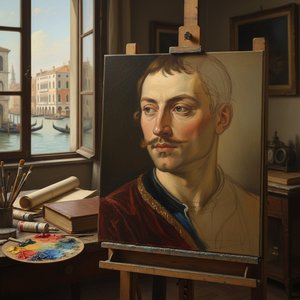
A Venetian Soul: Unveiling the Gallerie dell’Accademia
Nestled within the labyrinthine heart of Venice, a stone's throw from the bustling Grand Canal yet offering an oasis of quiet contemplation, lies the Gallerie dell’Accademia – more than simply a museum; it’s a profound immersion into the very soul of Venetian art. Founded in 1750 as the academy for artists and sculptors that shaped this extraordinary city, its origins are deeply intertwined with Venice's illustrious past as a maritime republic and a global center of commerce and culture. Originally housed within the Scuola della Carità – a complex dating back to the 14th century and incorporating elements designed by the renowned architect Andrea Palladio – the gallery’s walls whisper tales of artistic patronage, political intrigue, and the enduring legacy of a city that once ruled the waves. Today, it stands as a testament to Venice’s commitment to preserving its artistic heritage, offering visitors a breathtaking journey through five centuries of Venetian painting, from the echoes of Byzantine influence to the vibrant brushstrokes of the late Baroque. The gallery isn't merely a repository of beautiful paintings; it’s a narrative unfolding across time, a living chronicle of Venice itself.
The collection is a magnificent tapestry woven with the threads of Venetian history and artistic innovation. It begins with the profound impact of Byzantium on Venetian art – an influence that permeated early works by artists like Jacopo Bassano and his sons. Their canvases shimmer with a luminous palette, capturing the ethereal quality of light so characteristic of Venice, and employing an atmospheric perspective that foreshadowed the Renaissance. These weren’t simply depicting scenes; they were distilling the very spirit of the city onto canvas—the gondolas gliding through the canals, the masked balls in opulent palaces, the everyday rituals of a thriving mercantile society. The gallery then unfolds into the vibrant world of Bellini, Carpaccio, and Titian – masters who captured the essence of Venetian life, light, and color with unparalleled sensitivity. They skillfully blended religious iconography with humanist observation, creating images that resonate with both spiritual depth and artistic brilliance. The 16th century is truly dazzling, showcasing the dramatic compositions and theatrical lighting of Tintoretto and Veronese – artists who pushed the boundaries of perspective and narrative within their canvases, creating monumental works that dominate the gallery space. Tintoretto’s masterful use of chiaroscuro—the interplay between light and dark—transforms scenes into emotionally charged dramas, drawing viewers into the heart of Venetian society and religious fervor. Veronese's opulent frescoes celebrate Venetian grandeur and commemorate significant events with meticulous detail and vibrant color palettes.
A City Reflected: Canaletto’s Urban Vision
Moving into the 17th century, the collection reveals a Venice transformed – its canals, palaces, and bustling markets immortalized with meticulous detail and a keen eye for urban life. The works of Canaletto are particularly captivating; his panoramic views offer an intimate glimpse into the daily rhythm of Venetian existence, capturing not just architectural grandeur but also the subtle nuances of everyday life—merchants haggling in marketplaces, families enjoying leisurely meals, and citizens engaging in social gatherings. His painstaking realism – combined with a masterful understanding of atmospheric perspective – creates images that transport viewers directly to Venice’s vibrant streets and squares. The inclusion of works by Giorgione, Guardi, and Longhi adds layers of complexity to the Venetian artistic tradition, demonstrating the diverse influences that shaped this unique style. These artists weren't just documenting a city; they were shaping its image, preserving it for posterity through their art.
Treasures Within Walls: Key Masterpieces
While the entire collection is worthy of admiration, certain pieces command particular attention. Leonardo da Vinci’s “Vitruvian Man,” a remarkably preserved drawing from his Milanese period, is undoubtedly the gallery's most celebrated treasure – a testament to its historical role as an artistic institution and a symbol of Venice’s enduring fascination with knowledge and beauty. Beyond this iconic work, visitors should seek out Titian’s “Bacchus and Ariadne,” a masterpiece of color and sensuality; Tintoretto’s monumental “Sacrifice of Isaac,” a dramatic depiction of religious narrative that fills an entire wall with its scale and dynamism; and Canaletto's series of views of Venice, offering an intimate glimpse into the daily life of the city—from bustling markets to elegant salons. The gallery also houses numerous works by lesser-known but equally talented artists, providing a comprehensive overview of Venetian painting during its golden age. The detail in each piece speaks volumes about the skill and dedication of the artists who brought these scenes to life.
Architectural Harmony & Historical Context
The Gallerie dell’Accademia isn't merely housed within a beautiful building; it *is* part of the architectural fabric of Venice. The Scuola della Carità, with its graceful façade and serene courtyard, provides an ideal setting for the artworks it houses. Its history is intertwined with that of the city itself – from its origins as a charitable institution to its transformation into a prestigious art academy and finally, a world-renowned museum. The careful preservation of the original structure—a blend of medieval and Renaissance styles—is itself a work of art, reflecting Venice’s unique architectural heritage. Its location on the south bank of the Grand Canal offers stunning views of the city and its waterways, further enhancing the sense of immersion. The gallery's very existence is a testament to Venice’s commitment to preserving not just its artistic treasures but also its historical identity.
A Living Legacy: Exhibitions & Visitor Information
The Gallerie dell’Accademia regularly hosts temporary exhibitions that delve deeper into specific themes or artists within the collection, often featuring loans from other museums around the world. These events provide fresh perspectives on Venetian art and its influence. The museum also offers a range of educational programs, including guided tours, workshops, and lectures, catering to both seasoned art enthusiasts and newcomers alike. Keep an eye on their website for announcements about upcoming exhibitions and events – they frequently host special displays that illuminate the stories behind the paintings and the artists who created them. A visit here is more than just a museum trip; it’s a chance to step back in time and experience the magic of Venice. Allow ample time for your exploration—there's a great deal to see and absorb, from the grand scale of Tintoretto’s masterpieces to the intimate details captured by Canaletto. Don’t forget to explore the surrounding Dorsoduro district with its artisan shops and trattorias for an authentic Venetian experience.