Preview
 Send
Send Share
Share
 Details

 Download
 Similars
 X-Ray
X-Ray Diaporama
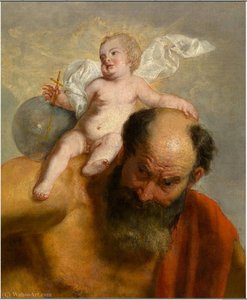
Jephthae's Daughter
 Oil On Canvas
- WallArt
- Flemish Baroque
 1640
1640 48.0 x 64.0 cm
 Hermitage Museum
 Read More
Hand Made Oil Reproduction
Hand-painted oil on canvas in your size and frame, made to order by our artists. ( Buy Print Buy Image)




P118B $10

P118H $10

P118W $10

P438Z $10

P508JH $12

P508YH $12

P805H $10

P805Z $10

P919BZ $10

P919G $10

P919XJ $10

P959ZH $10

P968JZ $12

W106C $8

W218G $10

W218JH $8

W218Y $10

W307PJ $10

W316G $10

W316PJ $8

W316Y $10

W398PJ $8

W4111J $10

W500HY $15

W500JH $15

W692G $12

W849H $8

W940BG $15

W953PJ $8




Pick from our preset sizes that match the artwork's original proportions.

You may enter your own dimensions to fit a specific frame or space. If your selected size does not match the original image's proportions, we will either crop the artwork or extend the painting with additional hand-painted elements. A digital mockup will be sent for your approval before production begins.
Please note that the on-screen preview does not reflect the actual cropping or extension. Only the mockup will accurately show the final composition.
While custom sizes are available, we recommend selecting a dimension from the predefined list to preserve the original proportions.
After order, OriginalUniqueArt.com team will email client for instructions and provide a mockup preview
Worldwide Delivery () in 3/4 weeks instead of standard 5 weeks. (25 August). No compromise on quality.

Free Worldwide Express Shipping

High-Quality Linen Canvas

Full Shipping Insurance

Customs Tax Refund Guarantee

True Color Matching Guarantee

60-Day Return Policy (Defects Only)

100% Money-Back Guarantee

Bulk Discount Offer
 Glass option is only available in size under 110 CM

Jephthae's Daughter
Reproduction Medium
Reproduction Size
-


Total Price
$ 300
Artwork Description
A Window into Faith: Pieter van Lint’s “Jephthae’s Daughter”
Pieter van Lint's "Jephthae’s Daughter," painted around 1640, is more than just a depiction of a poignant biblical tale; it’s a masterful exploration of human emotion and the weight of sacrifice. This oil on panel, now meticulously reproduced in exquisite detail, transports us to a moment of profound sorrow and quiet dignity within the narrative of Judges 11. Van Lint, a key figure bridging the late Renaissance and burgeoning Baroque styles in Antwerp, doesn't simply illustrate the story; he imbues it with an almost palpable sense of grief and acceptance. The painting’s power lies not just in its subject matter but in the artist’s skillful manipulation of light, color, and composition to convey a deeply felt emotional truth.The Story Unfolds: Biblical Narrative and Dramatic Composition
The scene captures the aftermath of Jephthae's tragic vow – his daughter’s life offered as a sacrifice to appease the gods after winning victory in battle. The young woman, rendered with remarkable sensitivity, stands poised on the edge of a riverbank, her gaze fixed upon the distant horizon. Her posture is one of quiet resignation, yet there’s an underlying strength and nobility in her bearing. Van Lint masterfully uses diagonal lines – the river flowing towards the viewer, the girl's stance – to draw our eye into the scene and emphasize the dramatic tension. The inclusion of a horse, partially obscured by shadow, subtly hints at the recent conflict and the price paid for victory. The composition isn’t merely representational; it’s carefully constructed to maximize emotional impact, guiding the viewer through the narrative's heartbreaking progression.Baroque Techniques: Light, Color, and Texture
Van Lint’s artistic approach is firmly rooted in the Baroque tradition, evident in his masterful use of chiaroscuro – the dramatic interplay of light and shadow. He employs a rich palette of earthy tones—ochres, browns, and deep reds—to create a sense of depth and realism. Notice how the light catches the girl's face, illuminating her features with an almost ethereal glow, while the surrounding landscape remains shrouded in shadow. This contrast not only highlights the central figure but also reinforces the painting’s somber mood. The artist’s brushwork is meticulously detailed, particularly in rendering the textures of the clothing and the flowing water, adding a tactile quality to the scene. The subtle variations in color and tone contribute significantly to the overall sense of realism and emotional resonance.Symbolism and Emotional Resonance: A Portrait of Sacrifice
Beyond its narrative content, “Jephthae’s Daughter” is rich in symbolic meaning. The river itself represents transition – a passage from life to death, from earthly concerns to the unknown. The girl's posture suggests not just sorrow but also acceptance and a willingness to fulfill her father’s vow. The distant horizon symbolizes hope and perhaps even redemption, offering a glimmer of solace amidst the tragedy. Van Lint doesn’t shy away from depicting the raw emotion of the scene; the girl’s expression is one of profound sadness, yet there's an underlying dignity that speaks volumes about her character. The painting invites contemplation on themes of faith, sacrifice, and the enduring power of human resilience in the face of adversity.A Timeless Masterpiece: Reproductions for Today’s Spaces
Today, through meticulous reproductions like this one, “Jephthae’s Daughter” continues to captivate audiences with its emotional depth and artistic merit. Whether adorning a study, a gallery wall, or a corporate lobby, this artwork evokes contemplation and offers a poignant reminder of the complexities of human experience. OriginalUniqueArt.com's high-quality reproductions faithfully capture Van Lint’s original vision, ensuring that this timeless masterpiece can be enjoyed by art lovers for generations to come. Consider framing it in a classic wooden frame or opting for a sleek, minimalist design – either choice will complement the painting’s inherent beauty and elevate your space with a touch of historical elegance.Artist Biography
Pieter van Lint: A Flemish Master Bridging Antiquity and Baroque
Pieter van Lint (1609-1690), a name perhaps less familiar than his contemporaries Rubens or Van Dyck, nevertheless stands as a significant figure in the vibrant artistic landscape of 17th-century Antwerp. Born into a family deeply rooted in the art world – his father, Hendrik Frans van Lint, was a celebrated vedute painter in Rome – Pieter inherited not only a legacy but also a profound understanding of artistic technique and a restless spirit for exploration. His career spanned decades, encompassing diverse styles and commissions, reflecting a remarkable adaptability and a constant engagement with the prevailing trends of his time.
Van Lint’s early training under Artus Wolffort in Antwerp laid the foundation for his skill in historical painting and portraiture. Crucially, however, his formative years were spent immersed in the artistic traditions of the Flemish Baroque, particularly through frequent visits to the city's churches. These pilgrimages weren’t merely acts of devotion; they served as invaluable apprenticeships, allowing him to meticulously copy the works of masters like Peter Paul Rubens, Marten de Vos, and the Francken brothers – absorbing their compositional strategies, color palettes, and masterful rendering of texture. This deliberate study of his predecessors is evident in many of his early works, which demonstrate a clear debt to Wolffort’s academic style, itself influenced by Otto van Veen's classical approach.
Roman Influences and the Pursuit of Classicism
In 1633, Van Lint achieved the coveted status of master in the Guild of Saint Luke, marking his transition into independent practice. Shortly thereafter, he embarked on a transformative journey to Rome – a period that fundamentally shaped his artistic development. Unlike many Flemish artists who simply replicated Italian styles, Van Lint embraced the Roman environment with an open mind, actively seeking out and studying the legacy of antiquity. He meticulously sketched ancient sculptures and architectural ruins, absorbing the principles of classical form and composition. This engagement with the antique is powerfully evident in his later works, particularly those produced during his time in Rome (1633-1640), where he developed a distinct style characterized by clear outlines, balanced compositions, and an interest in idealized beauty.
His work for Cardinal Domenico Ginnasi, Bishop of Ostia, exemplifies this shift. He frescoed the Cybo family chapel in the Santa Maria del Popolo with the legend of the True Cross – a monumental undertaking that showcased his burgeoning skills in large-scale painting and his growing command of classical motifs. This period also witnessed him experimenting with the *bamboccianti* genre, producing small, lively scenes depicting everyday life, reflecting a desire to capture human emotion and interaction.
A Master of Copies and Diverse Commissions
Van Lint’s career was marked by a remarkable versatility, encompassing religious paintings, historical narratives, portraits, and even tapestry designs. He skillfully navigated the demands of various patrons, from wealthy families like the Cibos to the Antwerp art trade network. A significant portion of his output consisted of meticulously executed copies of Peter Paul Rubens' oil sketches – a lucrative business that allowed him to refine his technique and gain further insight into the master’s methods. These copies, often produced on copper, were highly prized in Spain and the Spanish colonies for their durability and lustrous finish.
Beyond these commissioned works, Van Lint created numerous devotional paintings, frequently depicting scenes from the life of Mary Magdalene – a subject that resonated deeply with his artistic sensibilities. His ‘Marriage of the Virgin’ (1640), painted in Antwerp Cathedral, is a prime example of this style, showcasing his ability to imbue religious subjects with a sense of drama and emotional intensity. He also designed tapestries for prominent weavers, demonstrating his broader creative talents.
Legacy and Artistic Connections
Van Lint’s influence extended beyond his own creations. He mentored several promising artists, including Caerel de las Cuevas, Jan-Baptista Ferrari, and Godfried Maes, ensuring the continuation of his artistic lineage. His son, Hendrik Frans van Lint, followed in his father's footsteps, establishing himself as a celebrated landscape painter in Rome – further demonstrating the family’s commitment to artistic excellence.
While Pieter van Lint may not be as widely recognized as some of his contemporaries, his work represents a crucial link between the Flemish Baroque and the burgeoning classical influences of the 17th century. His ability to synthesize diverse styles—from the academic traditions of Wolffort to the dynamism of the *bamboccianti* and the ideals of antiquity—solidifies his position as a significant and enduring figure in the history of Antwerp art.

Pieter van Lint
1609 - 1690 , Belgium
Quick Facts
- Artistic Movement Or Style: Flemish Baroque
- Artists Or Movements Influenced By This Artist:
- Otto van Veen
- Bamboccianti
- Artists Who Influenced This Artist:
- Artus Wolffort
- Peter Paul Rubens
- Date Of Birth: 1609, Antwerp
- Date Of Death: 1690, Antwerp
- Full Name: Pieter van Lint
- Nationality: Flemish
- Notable Artworks:
- Marriage of the Virgin
- Mary Magdalene
- Place Of Birth: Antwerp, Belgium
Related Articles

Rembrandt's Masterpieces: Explore 25 Iconic Paintings & Prints | OriginalUniqueArt
Journey through Rembrandt van Rijn's 25 most iconic paintings & etchings. Explore Dutch Golden Age masterpieces, dramatic chiaroscuro, and timeless portraits. Find museum-quality art reproductions to elevate your home decor on OriginalUniqueArt.com.

Early Netherlandish Masters: 10 Paintings That Revolutionized Art & Decor
Journey into the world of Early Netherlandish painting! Explore 10 masterpieces by Jan van Eyck, Rogier van der Weyden & more. Discover stunning detail, symbolism & Renaissance art for your home decor. Find museum-quality reproductions on OriginalUniqueArt.com

Early Netherlandish Masters: 10 Paintings That Revolutionized Art & Decor
Journey into the Early Netherlandish Renaissance! Explore 10 iconic paintings by Jan van Eyck, Rogier van der Weyden & more. Discover stunning detail, symbolism, and oil painting techniques. Find museum-quality art reproductions for your home at OriginalUniqueArt.com.

Hugo van der Goes: Devotion, Innovation & the Psychological Depth of Early Netherlandish Painting
Explore the revolutionary art of Hugo van der Goes – a master of Early Netherlandish painting renowned for his dramatic realism, psychological depth & profound influence on Renaissance artists. Discover his iconic works and lasting legacy.
Sir Anthony van Dyck: Courtly Portraiture & the Shaping of Baroque Identity
Explore the life & legacy of Sir Anthony van Dyck, the leading court painter of his era. Discover his innovative portraiture, Baroque masterpieces, and investment potential for discerning collectors. Learn more at OriginalUniqueArt.