Preview
 Send
Send Share
Share
 Details
 Guide
Guide

 Download
 Similars
 X-Ray
X-Ray Diaporama
 Stats
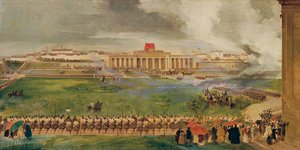
StatsThe storm
 Acrylic On Canvas
- WallArt
- Biedermeier
 1837
1837 50.0 x 67.0 cm
 Austrian Gallery Belvedere
 Read More
Giclée / Art Print
Museum-quality giclée or canvas print with fast production and flexible finish options. ( Buy Hand Made Painting Switch to Digital Image)




P118B $10

P118H $10

P118W $10

P438Z $10

P508JH $12

P508YH $12

P805H $10

P805Z $10

P919BZ $10

P919G $10

P919XJ $10

P959ZH $10

P968JZ $12

W106C $8

W218G $10

W218JH $8

W218Y $10

W307PJ $10

W316G $10

W316PJ $8

W316Y $10

W398PJ $8

W4111J $10

W500HY $15

W500JH $15

W692G $12

W849H $8

W940BG $15

W953PJ $8




Pick from our preset sizes that match the artwork's original proportions.

Type the width and the height you need, to fit your frame or your wall. A print can only be cut, never made bigger than the picture, so a size with a different shape loses a part of the image. We send you a digital mockup to approve before we print anything. The picture shown on this page does not show the real cut — only the mockup does.
Worldwide Delivery () in 2 weeks instead of standard 4/5 weeks. (27 October)

Free Worldwide Express Shipping

High-Quality Linen Canvas

Full Shipping Insurance

Customs Tax Refund Guarantee

True Color Matching Guarantee

100-Day Return Policy (Defects Only)

100% Money-Back Guarantee

Bulk Discount Offer
 Glass option is only available in size under 110 CM

The storm
Giclée / Art Print
Reproduction Size
-


Total Price
$ 81
A Window to a Turbulent Soul: Exploring Peter Fendi’s “The Storm”
Peter Fendi's "The Storm," painted in 1837, isn’t merely a depiction of a tempestuous sky; it’s a profound meditation on domesticity, vulnerability, and the quiet drama unfolding within a family’s sanctuary. This intimate scene, rendered with the characteristic warmth and realism of Biedermeier painting, immediately draws the viewer into a tableau of contained chaos – a woman cradling her child before a window that frames both the fury of nature and the steadfastness of home. The composition is deceptively simple: a mother and child, bathed in soft light, facing an exterior world rendered with dramatic brushstrokes and swirling clouds. Yet, within this apparent tranquility lies a palpable tension, a suggestion of unease that speaks volumes about the anxieties inherent in family life.
Fendi’s masterful use of color is crucial to conveying this emotional complexity. The palette leans heavily on muted browns, grays, and blues – colors associated with storm clouds and introspection. However, these somber tones are punctuated by flashes of warm light emanating from the interior, highlighting the figures and creating a subtle contrast between safety and the unknown. The woman’s posture is particularly telling; she isn't actively shielding her child, nor does she appear panicked. Instead, she gazes out with a thoughtful expression, suggesting an acceptance of the storm both outside and within. The inclusion of other family members – two children playing near the window and another figure on the right – subtly expands the narrative, hinting at a larger household grappling with shared experiences.
The Biedermeier Aesthetic: Intimacy and Observation
“The Storm” is a quintessential example of the Biedermeier style, which flourished in Austria during the early 19th century. This artistic movement prioritized realism and domestic scenes, often depicting everyday life with an emphasis on intimacy and observation. Unlike the grand historical or mythological subjects favored by earlier periods, Biedermeier artists sought to capture the beauty and simplicity of the ordinary – a shift reflecting the growing middle class’s desire for comfort and connection within their own homes. Fendi's work embodies this ethos perfectly; he doesn’t attempt to glorify the storm itself but rather focuses on how it affects those closest to him, creating a deeply personal and relatable image.
Fendi’s technical skill is evident in his meticulous attention to detail – from the texture of the fabrics to the subtle nuances of expression on the figures' faces. He employed a technique known as “pointillé,” using small, closely spaced brushstrokes to create an illusion of depth and texture, particularly noticeable in the depiction of the clouds. This method allowed him to capture the dynamic movement of the storm while maintaining a sense of realism and warmth. Furthermore, his use of light is masterful, creating a soft, diffused glow that illuminates the figures and imbues the scene with a feeling of quiet dignity.
Symbolism and Emotional Resonance
The window itself serves as a powerful symbol in “The Storm.” It represents not only a physical barrier between the interior and exterior but also a metaphorical one – separating the family from the uncertainties of the world. The storm raging outside can be interpreted as a representation of life’s challenges, anxieties, and hardships. However, within the confines of the home, the family finds solace and strength in their connection to one another. The child, nestled securely in his mother's arms, embodies innocence and hope, suggesting that even amidst turmoil, new beginnings are possible.
Fendi’s painting resonates with a timeless emotional truth. It speaks to the universal experience of navigating difficult times while cherishing the bonds of family. “The Storm” is more than just a beautiful artwork; it's a poignant reminder of the resilience of the human spirit and the enduring power of love in the face of adversity. Reproductions of this evocative piece offer a captivating glimpse into a bygone era, inviting viewers to contemplate their own relationships and find beauty amidst life’s inevitable storms.
Questions & Answers
Which palette and lead color define "The storm"?
"The storm" is defined by an earthy palette led by clay (#8c6a3a).
Can "The storm" by Peter Fendi, held at the Austrian Gallery Belvedere, be legally reproduced?
The original "The storm" is at the Austrian Gallery Belvedere, and the work is in the public domain - its copyright has expired.
How do I download the image of "The storm" by Peter Fendi?
A download is available for "The storm": the artwork's Download page offers a high-resolution digital image download.
Artist Biography
Peter Fendi: A Pioneer of Viennese Biedermeier
Peter Fendi, born in Vienna’s heart on September 4th, 1796, was more than just a painter; he was a pivotal figure in the development of Austrian art during the Biedermeier period. His life, marked by an early physical challenge – a fall from a changing table as an infant that left him with lasting spinal issues – ironically fueled a remarkable talent for drawing and ultimately shaped his artistic vision. His father, a schoolmaster, recognized this innate ability, enrolling young Peter at the prestigious St. Anna’s Academy of Fine Art in 1810. There, under the tutelage of esteemed artists like Johann Martin Fischer, Hubert Maurer, and Johann Baptist von Lampi the Elder, Fendi honed his skills, laying the foundation for a prolific career spanning oil paintings, watercolors, prints, etchings, lithographs, and even wood carving. Fendi’s early professional life began at the Imperial Gallery of Coins and Antiquities in 1818, where he served as a draughtsman and engraver under Joseph Barth, an influential art collector and the personal ophthalmologist to Emperor Joseph II. This position provided invaluable access to artistic circles and exposed him to the meticulous detail demanded by imperial commissions. A significant milestone arrived in 1821 when Fendi received a gold medal for his oil painting *Vilenica*, solidifying his reputation within the Viennese art scene. This recognition led to election as a member of the Academy of Fine Arts Vienna in 1836, further cementing his standing amongst his peers.A Dutch Influence and Venetian Inspiration
Fendi’s artistic style was deeply influenced by two distinct yet complementary sources: the Dutch masters and the Italian Renaissance. The realism and genre scenes prevalent in the works of artists like Adriaen Brouwer, Adriaen van Ostade, and Rembrandt resonated profoundly with Fendi, shaping his depictions of everyday life – bustling marketplaces, tavern scenes, and intimate domestic moments. These paintings are characterized by a keen observation of human behavior, often imbued with a subtle sense of humor or social commentary. Simultaneously, Fendi’s journey to Venice in 1821 proved transformative. Immersed in the opulent art collections of Giovanni Bellini, Tintoretto, Titian, and Paolo Veronese, he absorbed their dramatic compositions, rich colors, and masterful use of light – elements that would later infuse his own work with a sense of grandeur and theatricality.Lithographic Innovation and Portraiture
Beyond traditional painting techniques, Fendi was a true innovator in the field of lithography. His multicolored prints, particularly those produced in the 1830s and 40s, were groundbreaking for their time, demonstrating remarkable technical skill and artistic sensitivity. These prints weren’t merely reproductions; they were independent works of art, often depicting scenes from Viennese life with a vibrant palette and dynamic composition. Furthermore, Fendi was a highly sought-after portraitist, capturing the likenesses of both nobles and commoners alike. His portraits are notable for their psychological depth and ability to convey the personality of his subjects – a testament to his keen eye and understanding of human character. Notably, he engraved a series of five Austrian banknotes issued in 1841, showcasing his versatility as an engraver.Legacy and Artistic Significance
Peter Fendi’s legacy extends far beyond the individual artworks that bear his signature. He played a crucial role in shaping the Biedermeier aesthetic – characterized by its intimate scale, realistic depiction of everyday life, and subtle social commentary. His influence can be seen in the works of subsequent generations of Austrian artists. His meticulous attention to detail, combined with his innovative approach to lithography, cemented his place as one of the most important figures of the Biedermeier period. Today, Fendi’s paintings are preserved in prestigious collections such as the Albertina Museum, the Belvedere Gallery, and the Prince of Liechtenstein's collection in Vaduz, ensuring that his artistic contributions continue to be appreciated and studied for generations to come. His work offers a valuable glimpse into 19th-century Austrian society, capturing both its beauty and its complexities with remarkable skill and sensitivity.
Peter Fendi
1796 - 1842 , Austria
Quick Facts
- Full Name: Peter Fendi
- Nationality: Austrian
- Date Of Birth: 1796
- Date Of Death: 1842
- Place Of Birth: Vienna, Austria
- Notable Artworks:
- Princesses Elise & Fanny Liechtenstein
- The rise
- The Sad Message
- Artistic Movement Or Style: Biedermeier
- Artists Who Influenced This Artist:
- Rembrandt
- Adriaen Brouwer
- Giovanni Bellini
- Artists Or Movements Influenced By This Artist:
- Dutch painters
- Italian Renaissance
Related Articles

Biedermeier Style: The Elegant Art of Comfort, Simplicity, and Bourgeois Sophistication
Discover the refined elegance of Biedermeier style. Explore how this 19th-century movement blended simplicity with comfort, shaping the art and design of the middle class through Romanticism and functional beauty. An expert guide for classic art enthusiasts.

Evolving Portraits: Personalized Art as a Chronicle of Family Life Across Generations
Create a timeless family legacy with custom portraits! OriginalUniqueArt connects you with skilled artists for heirloom-quality paintings & prints. Explore styles, commission your unique artwork today.

Biedermeier: Art, Society & Intimacy in Restoration Europe
Explore the world of Biedermeier art & culture! Discover the history, aesthetic principles, and lasting influence of this fascinating European movement. Expert insights & beautiful reproductions at OriginalUniqueArt.
Biedermeier Style Guide: Integrating Elegant, Functional 19th-Century Art into Modern Hotel & Hospitality Interiors
Master the Biedermeier style for hospitality design. Our professional guide explores integrating 19th-century elegance and functional simplicity into modern hotel interiors through expert art procurement and large-scale custom reproductions.
Biedermeier Style: The Art of Comfort, Elegance, and Home Harmony in 19th-Century Europe
Discover the soulful elegance of Biedermeier style. Explore how 19th-century Europe turned to domestic comfort and refined simplicity through art and design. A deep dive into the era of bourgeois sophistication for the true classic art enthusiast.