
 Preview
 Send
Send Share
Share
 Details
 Guide
Guide

 Download
 Similars
 X-Ray
X-Ray Diaporama
 Q&A
Q&A Stats
StatsSacred Conversation

- 127.0 x 195.0 cm


 Read More
Giclée / Art Print
Museum-quality giclée or canvas print with fast production and flexible finish options. ( Buy Hand Made Painting Switch to Digital Image)




P118B $10

P118H $10

P118W $10

P438Z $10

P508JH $12

P508YH $12

P805H $10

P805Z $10

P919BZ $10

P919G $10

P919XJ $10

P959ZH $10

P968JZ $12

W106C $8

W218G $10

W218JH $8

W218Y $10

W307PJ $10

W316G $10

W316PJ $8

W316Y $10

W398PJ $8

W4111J $10

W500HY $15

W500JH $15

W692G $12

W849H $8

W940BG $15

W953PJ $8




Pick from our preset sizes that match the artwork's original proportions.

Type the width and the height you need, to fit your frame or your wall. A print can only be cut, never made bigger than the picture, so a size with a different shape loses a part of the image. We send you a digital mockup to approve before we print anything. The picture shown on this page does not show the real cut — only the mockup does.
Worldwide Delivery () in 2 weeks instead of standard 4/5 weeks. (10 November)

Free Worldwide Express Shipping

High-Quality Linen Canvas

Full Shipping Insurance

Customs Tax Refund Guarantee

True Color Matching Guarantee

100-Day Return Policy (Defects Only)

100% Money-Back Guarantee

Bulk Discount Offer
 Glass option is only available in size under 110 CM

Sacred Conversation
Giclée / Art Print
Reproduction Size
-


Total Price
$ 81
A Divine Encounter in Venetian Color
In the quiet, luminous atmosphere of Palma Vecchio’s Sacred Conversation, dated to 1525, the viewer is invited into a moment of profound spiritual intimacy. This masterpiece serves as a quintessential example of the High Renaissance sacra conversazione, a genre where holy figures are brought together in a unified, harmonious space. The composition centers on the tender presence of the Virgin Mary, cradling the infant Jesus with a grace that feels both regal and deeply human. As your eyes wander through the frame, you encounter a gathering of saints and observers, each figure contributing to a silent, rhythmic dialogue of devotion. The inclusion of a faithful dog on the periphery adds a touch of earthly domesticity to the celestial scene, grounding the divine miracle in a world that feels tangibly real.
The technical brilliance of Palma Vecchio shines through his mastery of Venetian color and light. Moving away from the rigid outlines of earlier eras, the artist employs a soft, atmospheric approach that allows figures to emerge from the shadows with a gentle, glowing vitality. The textures of heavy drapery, the warmth of human skin, and the subtle play of light across the faces of the surrounding saints demonstrate a sophisticated command of oil painting techniques. For the discerning collector or interior designer, this piece offers a rich tapestry of deep pigments and tonal transitions that can serve as a commanding focal point in any grand room, bringing a sense of historical weight and classical elegance to a contemporary setting.
Symbolism and the Soul of the Renaissance
Beyond its visual splendor, Sacred Conversation is a profound meditation on the intersection of the divine and the mortal. Every element within the painting is imbued with symbolic significance intended to guide the viewer's contemplation. The arrangement of the figures—some standing in quiet reverence, others positioned at the lower edges of the composition—creates a hierarchical yet inclusive movement that draws the soul toward the central mystery of the Incarnation. The soft, diffused light does not merely illuminate the scene; it acts as a metaphor for divine grace, washing over the subjects and unifying them in a shared state of sanctity.
To possess a reproduction of such a work is to bring more than just decoration into a home; it is to invite an atmosphere of peace and intellectual depth. The painting’s ability to evoke emotion—ranging from the quiet tenderness of a mother's touch to the solemnity of religious devotion—makes it an enduring inspiration for those who appreciate art that speaks to the human condition. Whether placed in a curated gallery space or as a centerpiece in a sophisticated living area, this work by Palma Vecchio continues to bridge the gap between the sixteenth century and the modern era, offering a timeless window into the heart of the Venetian Renaissance.
Questions & Answers
What does "Sacred Conversation" by Palma Vecchio depict?
The themes present in "Sacred Conversation" by Palma Vecchio include sacred conversation, madonna and child, religious scene, renaissance art, virgin mary, baby jesus, venetian school. Together they summarize the artwork's subject matter.
What is "Sacred Conversation" made with, and in which style?
"Sacred Conversation" by Palma Vecchio combines the oil technique with the High Renaissance style. Technique and movement describe the making and the style of the work.
What atmosphere would a reproduction of "Sacred Conversation" by Palma Vecchio bring to a room?
With its classic mood, "Sacred Conversation" is suggested for a dining room.
Artist Biography
Palma Vecchio: A Venetian Master of Sensuality and Myth
Jacopo Palma, born around 1480 in Serina Alta near Bergamo within the Republic of Venice, was a pivotal figure in the High Renaissance—a painter whose sensual portraits, evocative mythologies, and dramatic *sacra conversazioni* bridged the gap between the established masters like Bellini and the burgeoning dynamism of Titian and Giorgione. His life, though tragically short, spanning from approximately 1480 to his death in 1528 at the age of forty-seven, was marked by a rapid ascent within Venice’s vibrant artistic landscape, culminating in recognition as one of its foremost painters. Palma's legacy rests not just on technical skill but also on his ability to capture the essence of human emotion and beauty—a quality that continues to resonate with viewers today.Early Influences and Venetian Training
Palma’s artistic journey began within the shadow of Giovanni Bellini, the undisputed patriarch of Venetian painting. While the precise nature of his apprenticeship remains somewhat shrouded in mystery – some scholars suggest a direct tutelage, others point to a more indirect influence through Palma's connection with Bonifacio de’ Pitati, Bellini’s foreman – it is clear that Bellini’s profound impact on Palma’s early style is undeniable. The soft modeling, luminous color palettes, and lyrical grace characteristic of Bellini’s work are readily apparent in Palma’s earliest paintings, particularly those created around 1510. However, Palma quickly moved beyond mere imitation, absorbing the innovative spirit of Giorgione and Titian—artists who were transforming Venetian painting with their emphasis on atmospheric perspective, loose brushwork, and a focus on capturing fleeting moments of beauty. This assimilation is evident in his later works, which demonstrate a masterful command of color and light, reminiscent of Giorgione’s idyllic landscapes and the vibrant sensuality of Titian's portraits.The Rise to Prominence: Portraits, Mythologies, and *Sacra Conversazioni*
Palma’s career truly took flight in the early 1520s, coinciding with a period of intense artistic activity in Venice. He swiftly established himself as a sought-after portraitist, capturing the allure of Venetian society—particularly its celebrated courtesans. These portraits are not merely likenesses; they possess an undeniable eroticism and psychological depth, revealing a keen understanding of human character. Simultaneously, Palma developed a distinctive style of mythological scenes, often depicting classical figures in intimate settings—a departure from the grand historical narratives favored by his predecessors. However, it was his *sacra conversazioni* – compositions featuring a group of saints and donors arranged around a central figure, typically the Virgin Mary with the Christ Child – that cemented his reputation as one of Venice’s leading artists. These works are characterized by their horizontal format, dynamic arrangements, and atmospheric landscapes—a testament to Palma's ability to synthesize diverse influences into a cohesive and compelling visual experience. The Polyptych of Saint Barbara, commissioned for Santa Maria Formosa, stands as a prime example of his mastery in this genre, showcasing the richness of color, the elegance of form, and the dramatic interplay of light and shadow.Key Works and Artistic Development
Several paintings stand out as particularly significant examples of Palma’s artistic development. *Judith*, painted around 1525-1528, exemplifies his mature style—a harmonious blend of Venetian sensuality, classical grace, and masterful technique. The painting's dramatic composition, vibrant colors, and psychological intensity have captivated viewers for centuries. The “Three Sisters,” a portrait group created in the early 1520s, showcases Palma’s ability to capture the beauty and allure of his female subjects—a hallmark of his oeuvre. Later works, such as the *Salvator Mundi*, demonstrate a shift towards a more restrained and dignified style, reflecting Palma's growing experience and artistic maturity. Throughout his career, Palma skillfully navigated between the influences of Titian and other Italian masters, incorporating elements from Mannerism while retaining his own distinctive Venetian sensibility.Legacy and Historical Significance
Palma Vecchio’s untimely death in 1528 cut short a remarkably productive career—yet his influence on subsequent generations of Venetian painters is undeniable. His work served as a bridge between the traditions of Bellini and Giorgione, paving the way for the rise of Titian and Veronese. Palma's emphasis on sensual beauty, psychological depth, and atmospheric effects profoundly impacted the development of Venetian painting, shaping its trajectory for decades to come. His legacy extends beyond his individual works; he is remembered as a key figure in Venice’s vibrant artistic community—a painter who embodied the spirit of innovation and creativity that defined the High Renaissance. Today, Palma Vecchio's paintings continue to be admired for their technical brilliance, emotional resonance, and enduring beauty—testaments to the genius of a truly remarkable artist.
Palma Vecchio
1480 - 1528
Quick Facts
- Full Name: Jacopo Palma (c. 1480-1528)
- Nationality: Venetian
- Date Of Birth: 1480
- Date Of Death: 1528
- Place Of Birth: Serina Alta, Bergamo
- Notable Artworks:
- Polyptych of Saint Barbara
- Judith
- Three Sisters
- Artistic Movement Or Style: High Renaissance
- Artists Who Influenced This Artist:
- Giovanni Bellini
- Giorgione
- Titian
- Artists Or Movements Influenced By This Artist: ['Palma il Giovane']
Related Articles

Masterpieces of a Renaissance Icon: The Top 25 Artworks by Raphael
Explore 25 iconic Raphael masterpieces of the High Renaissance. Discover timeless beauty and curated art on OriginalUniqueArt.com.
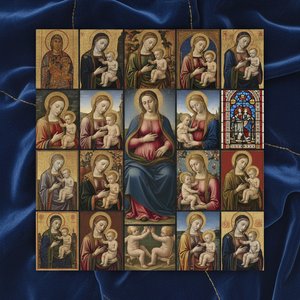
Divine Love: A Curated Guide to the Most Iconic Madonna and Child Masterpieces in Art History
Embark on a sophisticated journey through art history with our curated guide to the most iconic Madonna and Child masterpieces. Discover the profound beauty, theological depth, and enduring legacy of these sacred Renaissance treasures.

Jacopo Palma il Giovane: A Venetian Master's Poetic Evolution
Explore the captivating world of Jacopo Palma il Giovane, a pivotal Venetian Renaissance master. Discover his unique style, influenced by Titian & Tintoretto, and learn about key works perfect for discerning collectors.

Venetian Renaissance: The Mastery of Color, Light, and the Art of Colorito
Explore the luminous mastery of the Venetian Renaissance. Discover how masters like Titian and Giorgione revolutionized art through colorito, light, and atmosphere. An expert guide to the golden age of Italian painting for collectors and enthusiasts.

Master of Drama: The 25 Greatest Artworks by Jacopo Tintoretto
Explore 25 dramatic Tintoretto masterpieces of the Venetian Renaissance. Discover museum-quality art on OriginalUniqueArt.com.


