Preview
 Send
Send Share
Share
 Details
 Guide
Guide

 Download
 Similars
 X-Ray
X-Ray Diaporama
 Stats
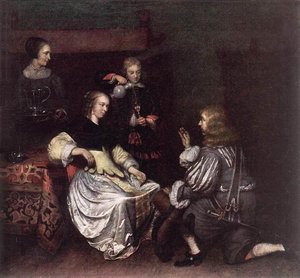
StatsTwo Boys Blowing Bubbles
 Oil On Canvas
- WallArt
- Baroque
 1670
1670 31.0 x 25.0 cm
 National Gallery
 Read More
Giclée / Art Print
Museum-quality giclée or canvas print with fast production and flexible finish options. ( Buy Hand Made Painting Switch to Digital Image)




P118B $10

P118H $10

P118W $10

P438Z $10

P508JH $12

P508YH $12

P805H $10

P805Z $10

P919BZ $10

P919G $10

P919XJ $10

P959ZH $10

P968JZ $12

W106C $8

W218G $10

W218JH $8

W218Y $10

W307PJ $10

W316G $10

W316PJ $8

W316Y $10

W398PJ $8

W4111J $10

W500HY $15

W500JH $15

W692G $12

W849H $8

W940BG $15

W953PJ $8




Pick from our preset sizes that match the artwork's original proportions.

You may enter your own dimensions to fit a specific frame or space. If your selected size does not match the original image's proportions, we will either crop the artwork or extend the image with a mirrored or solid-fill edge. A digital mockup will be sent for your approval before production begins.
Please note that the on-screen preview does not reflect the actual cropping or extension. Only the mockup will accurately show the final composition.
While custom sizes are available, we recommend selecting a dimension from the predefined list to preserve the original proportions.
Worldwide Delivery () in 2 weeks instead of standard 4/5 weeks. (26 September)

Free Worldwide Express Shipping

High-Quality Linen Canvas

Full Shipping Insurance

Customs Tax Refund Guarantee

True Color Matching Guarantee

100-Day Return Policy (Defects Only)

100% Money-Back Guarantee

Bulk Discount Offer
 Glass option is only available in size under 110 CM

Two Boys Blowing Bubbles
Giclée / Art Print
Reproduction Size
-


Total Price
$ 81
A Fleeting Moment Captured: Caspar Netscher’s “Two Boys Blowing Bubbles”
Caspar Netscher's "Two Boys Blowing Bubbles," painted around 1670, isn’t merely a charming depiction of childhood play; it’s a meticulously crafted meditation on the ephemeral nature of existence. This Baroque masterpiece, housed within the hushed halls of the Seattle Art Museum, immediately draws the viewer into its dramatic chiaroscuro – a masterful manipulation of light and shadow that dominates the scene with an almost theatrical intensity. Netscher, a key figure in the Dutch Golden Age, expertly employs this technique to sculpt the figures, emphasizing their youthful energy against the implied darkness beyond the arched window, creating a profound sense of mystery and introspection.
The composition itself is strikingly intimate, framed as if peering through that very window. A young boy, clad in the rich fabrics characteristic of his social standing, leans forward, his gaze fixed upwards towards a shimmering bubble drifting into the unseen distance. Beside him, a slightly younger child concentrates intently on blowing the iridescent sphere, their faces illuminated by the soft glow emanating from the candle beside them. The inclusion of a small cherubic figure partially visible behind the first boy adds a layer of subtle complexity, hinting at an allegorical dimension to the scene – perhaps representing innocence or divine grace.
The Language of Light and Shadow: Netscher’s Baroque Technique
Netscher's skill lies not just in his ability to capture a fleeting moment but also in his profound understanding of color and texture. The oil paint is applied with an impasto technique, building up thick layers of pigment that create a remarkably tactile surface. This isn’t simply decorative; it’s integral to the painting’s emotional impact. Notice how the light catches the folds of the boys' clothing, highlighting their textures and suggesting the luxuriousness of their lives. The deep shadows cast by the window frame and the architectural details contribute to the overall sense of drama and depth, pulling the viewer into the scene.
Furthermore, Netscher’s use of color is remarkably restrained yet effective. He favors muted tones – browns, ochres, and subtle blues – creating a harmonious palette that allows the light to truly shine. The vibrant iridescence of the bubbles themselves provides a striking contrast, momentarily disrupting the subdued atmosphere and drawing our attention to their fleeting beauty.
Symbolism and Mortality: A Reflection on Time
The painting’s central theme – the transience of life – is powerfully conveyed through the motif of the bubble. As Netscher himself intended, the bubbles represent the fragility of human existence, mirroring the ephemeral nature of youth and beauty. The act of blowing a bubble, a seemingly simple gesture, becomes a potent symbol of our own fleeting time on earth. This concept, known as “Homo Bulla” (Man is Like a Bubble), was a prevalent theme in Dutch art during this period, serving as a constant reminder of mortality.
The inclusion of the candle and sandtimer further reinforces this symbolism. These objects represent the relentless passage of time, emphasizing the urgency with which we should cherish each moment. The scene, therefore, isn’t just a depiction of childhood play; it's a poignant meditation on life, death, and the beauty of impermanence.
A Legacy of Dutch Masterpieces: Netscher’s Enduring Influence
Caspar Netscher (1639-1684) stands as a pivotal figure in the Dutch Golden Age, renowned for his exquisitely detailed portraits and genre paintings. His work reflects the influence of Caravaggio and Peter Paul Rubens, yet he developed a distinctly personal style characterized by dramatic lighting, meticulous observation, and a profound understanding of human psychology. Netscher’s legacy extends beyond individual masterpieces like “Two Boys Blowing Bubbles,” shaping the course of Dutch Baroque painting for generations to come. Reproductions of this captivating artwork offer a glimpse into a world of opulent beauty and timeless contemplation – a testament to the enduring power of art to both delight and provoke reflection.
Artist Biography
Caspar Netscher: A Master of Dutch Baroque Portraiture
Caspar Netscher (1639 – January 15, 1684) stands as a pivotal figure in the Dutch Golden Age, renowned for his exquisitely detailed portraits and genre paintings that captured the spirit of his era. Born in Heidelberg, Germany, he honed his artistic skills under the tutelage of Hendrick Coster before embarking on a formative journey to Rome where he absorbed influences from Caravaggio and Peter Paul Rubens – styles which would profoundly shape his distinctive approach to painting. Returning to Amsterdam, Netscher established himself as a celebrated artist, securing patronage from William III and achieving considerable wealth and acclaim for his captivating canvases.- Early Life & Training: Netscher’s formative years were spent in Arnhem, where he received initial instruction from Hendrick Coster. This early exposure to artistic principles laid the groundwork for his subsequent studies with Gerard Terborch, a collaboration that cemented his understanding of Northern Baroque aesthetics.
- Roman Influences: Netscher's trip to Rome proved instrumental in broadening his artistic horizons. He immersed himself in the artistic fervor of the city, absorbing techniques and stylistic considerations from masters like Caravaggio and Rubens – artists who championed dramatic chiaroscuro (light and shadow) and emotionally charged compositions.
- Amsterdam Career & Patronage: Netscher swiftly ascended to prominence in Amsterdam’s art world, becoming a master painter by 1659. His success was fueled by royal patronage from William III, who commissioned numerous portraits showcasing the monarch's grandeur and authority. This association solidified Netscher’s reputation as one of the most sought-after artists of his time.
Distinctive Style & Technique
Netscher’s artistic style is characterized by a remarkable sensitivity to light and shadow, a hallmark of Baroque painting. He meticulously crafted scenes with subtle gradations of tone, creating an illusionistic depth that captivated viewers. Unlike many contemporaries who favored brighter palettes, Netscher employed muted colors—often browns and ochres—to convey a sense of solemn dignity and realism. His brushwork was exceptionally refined, achieving astonishing textural detail – particularly evident in depictions of fabrics like silk and brocade, where he skillfully rendered the shimmering surface qualities with remarkable accuracy. This meticulous technique distinguishes him from other artists of his time and contributes to the enduring beauty of his works.Notable Works & Legacy
Netscher’s oeuvre comprises a substantial collection of portraits depicting royalty, nobility, and prominent citizens of Amsterdam. Among his most celebrated paintings are “Portrait of Pieter de Graeff,” showcasing the Lord Mayor's dignified countenance and opulent attire; "Portrait of Willem III," commemorating the King’s reign with regal splendor; and “William III (copy after),” a masterful rendition capturing the solemn grandeur of William III in armor. These canvases exemplify Netscher’s artistic prowess and continue to inspire admiration for their technical brilliance and expressive power. His influence extended beyond portraiture, influencing genre paintings that explored themes of domestic life and social interaction with nuanced observation. Caspar Netscher's legacy resides not only in his stunning artworks but also in his contribution to establishing a distinctive international style within the Northern Netherlands—a testament to his enduring artistic significance.References
- Britannica. “Caspar Netscher.”
- Wikipedia. “Caspar Netscher.”

netscher, caspar
1639 - 1684 , Germany
Quick Facts
- Artistic Movement Or Style: Baroque
- Artists Or Movements Influenced By This Artist: ['International Style']
- Artists Who Influenced This Artist: ['Gerard Terborch']
- Date Of Birth: 1639 Heidelberg Germany
- Date Of Death: 1684
- Full Name: Caspar Netscher
- Nationality: Dutch
- Notable Artworks:
- Portrait of Pieter de Graeff
- Portrait of Willem III
- Place Of Birth: Heidelberg Germany
Related Articles

Dutch Masters: 10 Golden Age Paintings That Still Inspire |
Journey into the Dutch Golden Age! Explore 10 iconic paintings by Rembrandt, Vermeer & Hals. Discover the stories behind these Baroque masterpieces and find museum-quality art reproductions to elevate your home decor on .

Dutch Baroque Masters: 10 Paintings That Shaped an Era | OriginalUniqueArt
Journey through the Golden Age with our guide to the Top 10 Dutch Baroque masterpieces! Explore iconic paintings by Rembrandt, Vermeer & Frans Hals. Find museum-quality art reproductions and elevate your home decor at OriginalUniqueArt.com.

Golden Light & Dutch Skies: The Timeless Magic of Dutch Golden Age Landscapes
Discover the breathtaking beauty of Dutch Golden Age landscapes. Explore the mastery of light, chiaroscuro, and 17th-century realism through an expert art history lens, celebrating the enduring legacy of the Dutch Masters for discerning collectors and art lovers.

Golden Age Reflections: Dutch Baroque Painting & Cultural Innovation
Explore the Dutch Golden Age of painting! Discover key artists like Vermeer & ter Borch, their innovative techniques, and the rich cultural context behind these Baroque masterpieces. Learn about collecting & appreciating this iconic art period.

Illuminating Innovation: Exploring the Dutch Golden Age of Painting
Explore the Dutch Golden Age of painting with OriginalUniqueArt. Discover Rembrandt, Vermeer & other Masters. Learn about key characteristics, iconic artworks, and lasting influence. Expert insights for collectors & enthusiasts.