The Rise of a Republic: Historical Context & Artistic Flourishing
The Dutch Golden Age (Dutch: Gouden Eeuw [ˈɣʌudən ˈeːu, ˈɣʌudə ˈʔeːu]) was a period in the history of the Netherlands which roughly lasted from 1588, when the Dutch Republic was established, to 1672, when the Rampjaar occurred. During this period, Du...
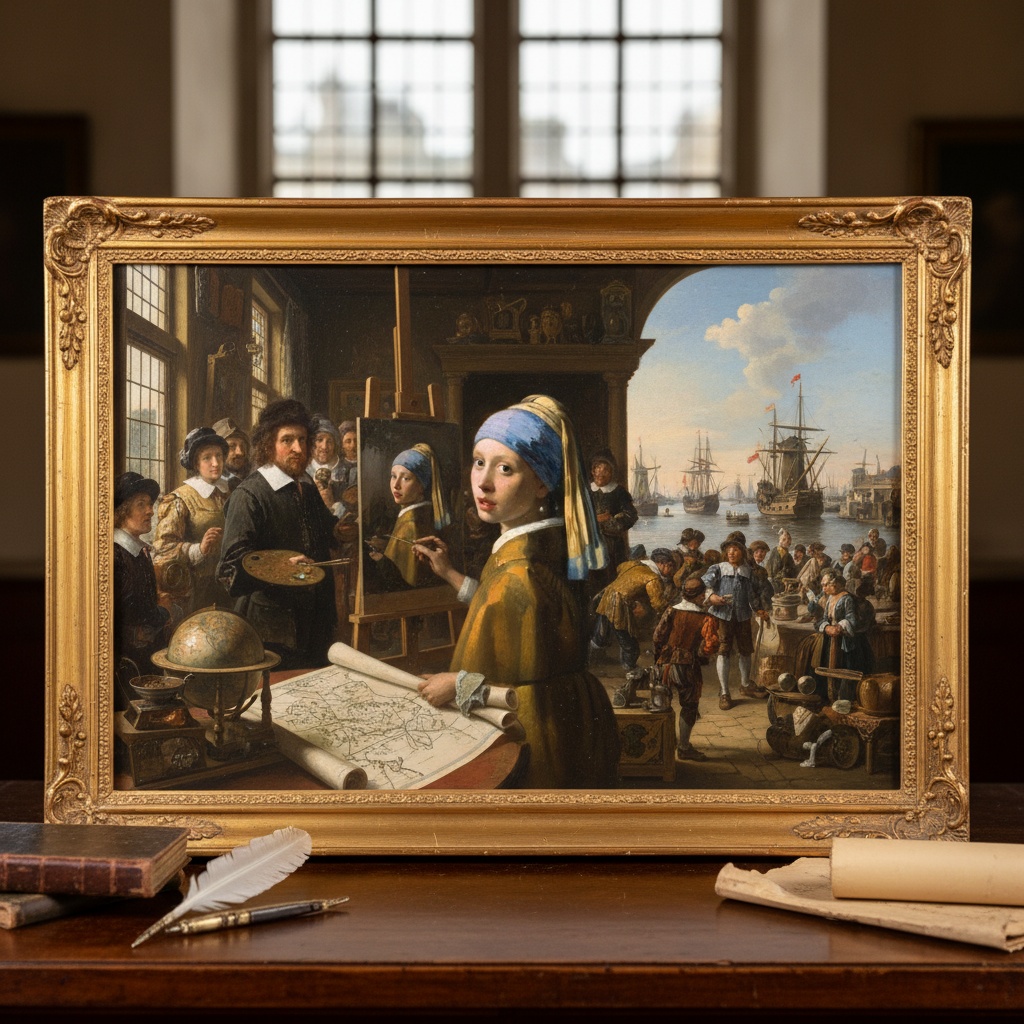
The 17th century Netherlands, a nation forged from rebellion and fueled by unprecedented mercantile success, witnessed an artistic blossoming unlike any other – the Dutch Golden Age. Emerging from eighty years of struggle for independence from Spain, the newly formed Dutch Republic wasn’t merely free; it was economically vibrant, intellectually curious, and remarkably egalitarian compared to its European counterparts. This unique confluence of factors—political autonomy, burgeoning wealth concentrated amongst a broad middle class, and a Protestant work ethic that valued diligence and practicality—created fertile ground for an artistic revolution. Unlike the aristocratic patronage systems prevalent elsewhere, Dutch artists found themselves catering to a diverse market eager to acquire works reflecting their own lives, values, and aspirations. This demand shifted the focus from grandiose religious or mythological scenes towards depictions of everyday life, intimate portraits, and meticulously rendered landscapes – subjects previously considered less prestigious but now celebrated for their realism and accessibility.
The “Dutch Miracle,” as this period is often called, wasn’t simply about economic prosperity; it was a cultural shift. The rise of Calvinism, while initially discouraging overtly religious imagery, fostered a spirit of observation and detail that permeated all aspects of life, including art. This emphasis on the tangible world, coupled with a growing national pride, led to an explosion of artistic talent focused on capturing the essence of Dutch society – its bustling markets, tranquil countryside, and the quiet dignity of its citizens.
Realism Redefined: Genre Painting & Daily Life in the Dutch Golden Age
 A Woman drinking Wine
Admire Gerard ter Borch’s ‘A Woman drinking Wine,’ a stunning Baroque realism portrait. Explore the intimate Dutch Golden Age scene – detailed textures & subtle psychology.
Perhaps the most defining characteristic of Dutch Baroque painting is its unwavering commitment to realism. Artists didn’t merely depict scenes; they meticulously recreated them, capturing light, texture, and atmosphere with astonishing accuracy. This dedication found its fullest expression in genre painting – depictions of everyday life. Gerard ter Borch, a master of this style, exemplified the era's fascination with domestic interiors and social interactions. His The Lute Player, for example, isn’t simply a portrait; it’s a captivating glimpse into a moment of quiet intimacy, rendered with dramatic lighting and an almost photographic attention to detail. The subtle psychology of the figures, their expressions and gestures, invites viewers to become active participants in the scene.
Willem van Herp the Elder's King Drinks offers a contrasting yet equally compelling example of genre painting. Here, revelry and abundance take center stage, showcasing a dynamic oil masterpiece brimming with texture and historical context. The realism isn’t merely technical; it’s imbued with a sense of life and energy, capturing the vibrancy of Dutch social gatherings. Artists like Ter Borch and van Herp weren't simply recording reality; they were interpreting it, imbuing their scenes with subtle narratives and moral undertones.
This focus on everyday life extended beyond interiors to include bustling marketplaces, lively taverns, and the quiet dignity of working-class individuals. Artists sought not to idealize or romanticize these subjects but to portray them honestly and authentically, reflecting the values and aspirations of a society that valued practicality and hard work.
Masters of Light & Shadow: Key Artists and Their Signature Styles
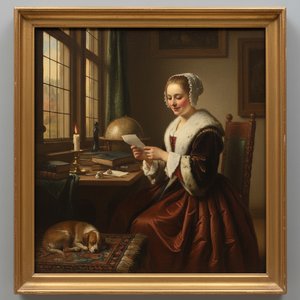 Gerrit Dou: Intimacy & Light in the Dutch Golden Age
Explore the exquisite world of Gerrit Dou, a master of Dutch Golden Age painting. Discover his intimate genre scenes, signature use of light, and lasting legacy. Learn about collecting Dou's works & their value.
While realism was a defining characteristic, it wasn’t monolithic. Different artists brought their own unique sensibilities and techniques to bear on the Dutch Baroque canvas. Johannes Vermeer, arguably the most celebrated painter of the Golden Age, stands apart for his masterful use of light. His interiors aren't simply well-lit; they are bathed in a soft, diffused glow that creates an atmosphere of quiet contemplation and intimacy. Works like The Milkmaid, though seemingly simple in subject matter, reveal profound symbolism and technical brilliance. Vermeer’s ability to capture the subtle nuances of light reflecting off surfaces – the sheen of porcelain, the texture of fabric – is unparalleled.
Gerrit Dou, a student of Rembrandt, developed an even more intimate style characterized by meticulous detail and a warm, golden palette. His genre scenes are often small in scale but incredibly rich in detail, inviting viewers to linger over every brushstroke. Dou’s signature use of light isn't dramatic like Vermeer’s; it’s subtle and nuanced, creating a sense of warmth and domesticity. He was known for his ability to capture the textures of everyday objects – fabrics, metals, and wood – with astonishing accuracy.
Willem Buytewech, though less renowned than Vermeer or Dou, played a crucial role in establishing the lively “merry company” scenes that became so popular during the Golden Age. Influenced by Frans Hals, his work is characterized by dynamic compositions and a sense of movement, capturing the energy and exuberance of Dutch social life.
Beyond Portraits: Landscapes, Still Lifes & Specialized Genres
The Dutch Baroque wasn’t limited to genre painting and portraits. Landscape painting flourished during this period, reflecting a growing appreciation for the unique characteristics of the Dutch countryside – its canals, windmills, and expansive skies. Artists like Jan van Goyen specialized in capturing the subtle nuances of light and atmosphere in these landscapes, creating scenes that were both realistic and evocative.
Still life painting also reached new heights during the Golden Age. These weren’t merely decorative arrangements; they were often imbued with symbolic meaning, reflecting themes of mortality, abundance, and the transience of life. Floral still lifes, in particular, became incredibly popular, showcasing a remarkable level of botanical accuracy and artistic skill. The stilleven, as these works are known, demonstrate a fascination with texture, color, and composition.
The Dutch Baroque also saw the development of numerous specialized genres – seascapes, architectural paintings, animal studies – each reflecting a unique set of skills and interests. This proliferation of distinct categories is a testament to the artistic entrepreneurship that characterized the period, allowing artists to cater to a diverse market with increasingly specific tastes.
Symbolism & Subtext: Decoding Hidden Meanings in Dutch Baroque Art
Beneath the surface realism of Dutch Baroque painting often lies a layer of symbolism and subtext. Artists frequently imbued their scenes with hidden meanings, reflecting moral lessons, religious beliefs, or social commentary. A seemingly simple bowl of fruit could represent abundance or temptation; a wilting flower might symbolize mortality; a musical instrument could allude to the fleeting nature of pleasure.
Even in genre paintings, subtle details can reveal deeper narratives. The objects depicted in a room – books, maps, scientific instruments – often reflect the intellectual interests and social status of the figures portrayed. The expressions and gestures of the figures themselves can convey complex emotions and psychological states. Deciphering these hidden meanings requires careful observation and an understanding of 17th-century Dutch culture.
While not always overt, this symbolic layer adds depth and complexity to Dutch Baroque art, inviting viewers to engage with the works on multiple levels. It’s a testament to the artists' skill that they could imbue their scenes with such subtle yet powerful messages without sacrificing realism or accessibility.
The Enduring Legacy: Influence & Appreciation Today
The Dutch Golden Age left an indelible mark on the history of art, influencing generations of painters and continuing to captivate audiences today. Its emphasis on realism, its meticulous attention to detail, and its celebration of everyday life continue to resonate with viewers centuries later.
Artists like Vermeer and ter Borch remain icons of Western art, their works studied and admired for their technical brilliance and emotional depth. The Dutch Baroque’s influence can be seen in the work of countless subsequent painters, from the Realists of the 19th century to contemporary artists exploring themes of domesticity and social life.
Today, OriginalUniqueArt.com offers a unique opportunity to bring the beauty and artistry of the Dutch Golden Age into your home. We specialize in handmade oil paintings and museum-quality prints, allowing you to experience these masterpieces firsthand. Whether you’re a seasoned art collector or simply beginning your journey, our team of experts is here to guide you through the world of Dutch Baroque painting – from selecting the perfect artwork to understanding its historical context and symbolic meaning. Explore our collection today and discover the enduring legacy of this remarkable artistic period.