
 Preview
 Send
Send Share
Share
 Details
 Guide
Guide

 Download
 Similars
 X-Ray
X-Ray Diaporama
 Stats
StatsThe Tailor
 Acrylic On Canvas
- WallArt
- Renaissance
 1570
1570 97.0 x 74.0 cm
 National Gallery
 Read More
Giclée / Art Print
Museum-quality giclée or canvas print with fast production and flexible finish options. ( Buy Hand Made Painting Switch to Digital Image)




P118B $10

P118H $10

P118W $10

P438Z $10

P508JH $12

P508YH $12

P805H $10

P805Z $10

P919BZ $10

P919G $10

P919XJ $10

P959ZH $10

P968JZ $12

W106C $8

W218G $10

W218JH $8

W218Y $10

W307PJ $10

W316G $10

W316PJ $8

W316Y $10

W398PJ $8

W4111J $10

W500HY $15

W500JH $15

W692G $12

W849H $8

W940BG $15

W953PJ $8




Pick from our preset sizes that match the artwork's original proportions.

Type the width and the height you need, to fit your frame or your wall. A print can only be cut, never made bigger than the picture, so a size with a different shape loses a part of the image. We send you a digital mockup to approve before we print anything. The picture shown on this page does not show the real cut — only the mockup does.
Worldwide Delivery () in 2 weeks instead of standard 4/5 weeks. (26 October)

Free Worldwide Express Shipping

High-Quality Linen Canvas

Full Shipping Insurance

Customs Tax Refund Guarantee

True Color Matching Guarantee

100-Day Return Policy (Defects Only)

100% Money-Back Guarantee

Bulk Discount Offer
 Glass option is only available in size under 110 CM

The Tailor
Giclée / Art Print
Reproduction Size
-


Total Price
$ 81
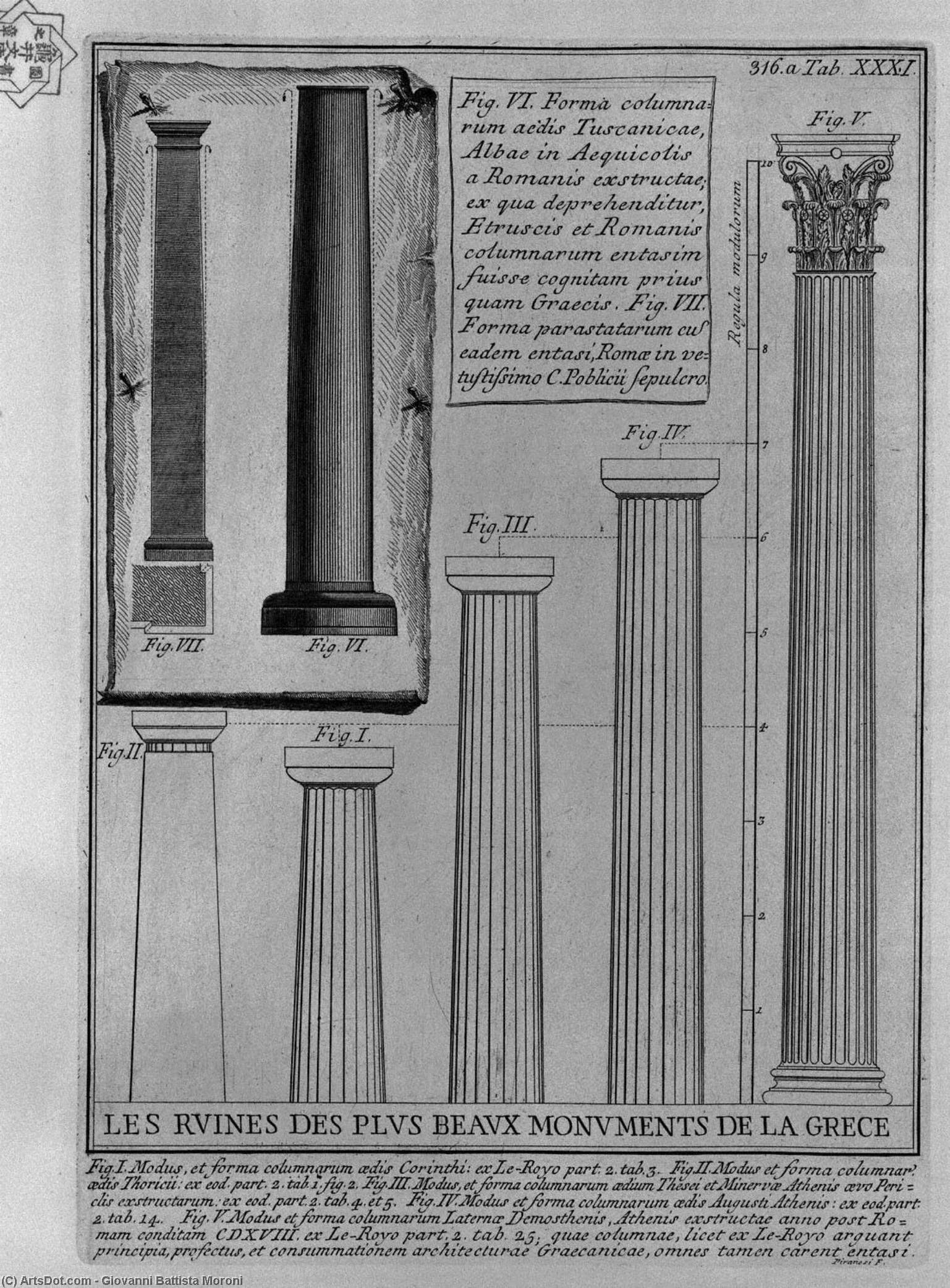
The Tailor: A Renaissance Portrait of Skill and Dignity
Giovanni Battista Moroni’s “The Tailor” stands apart from many portraits of the Cinquecento—the Italian Renaissance era—primarily due to its unconventional subject matter. Rather than depicting a noble lord or wealthy merchant adorned in opulent fabrics, Moroni chose to portray a craftsman engaged in his trade: a tailor meticulously marking fabric with chalk and holding shears. This decision wasn’t merely stylistic; it reflected Moroni's astute observation of social hierarchies and his fascination with the dignity inherent in honest labor—a concept that resonated deeply within humanist thought of the time. The painting itself is remarkable for its technical prowess and psychological realism, qualities rarely found in portraits commissioned during this period. Moroni eschewed idealized representations favored by artists like Titian and Veronese, opting instead for a depiction that captures a fleeting moment of concentration—a man pausing from his work to gaze directly at the viewer. This intimate engagement creates an immediate connection between subject and observer, conveying a sense of immediacy and spontaneity that distinguishes “The Tailor” from its contemporaries. Moroni’s masterful handling of color contributes significantly to the painting's expressive impact. He employs a restrained palette—primarily muted yellows, greens, and browns—but utilizes subtle tonal variations to create depth and luminosity. Notably, Moroni achieved remarkable effects by applying paint directly onto wet canvas, layering thin glazes over thicker undercoats to build up texture and imbue the image with vibrancy. This technique is particularly evident in the depiction of the tailor’s beard and hair, where Moroni skillfully blended pigments to achieve a luminous sheen that captures the subtle nuances of light and shadow. Beyond its artistic merits, “The Tailor” holds considerable symbolic significance within the context of Renaissance art history. As mentioned earlier, Moroni's choice to portray a craftsman challenged prevailing conventions regarding portraiture—traditionally reserved for members of the aristocracy—demonstrating an openness to representing individuals from diverse social strata. Furthermore, the inclusion of tools like shears and chalk serves as a visual reminder of the importance of practical skills and honest labor—values championed by humanist thinkers who sought to elevate the status of artisans and craftsmen alongside intellectuals and nobles. The painting’s enduring appeal lies in its ability to evoke emotions of quiet contemplation and admiration for human achievement. “The Tailor” invites viewers to consider the dignity inherent in pursuing one's craft with diligence and precision—a sentiment that transcends temporal boundaries and continues to resonate powerfully today. Its understated elegance, combined with Moroni’s exceptional technical skill, ensures its place as a cornerstone of Renaissance portraiture and a testament to the artist’s profound understanding of human psychology and social dynamics.Questions & Answers
How do I discover artworks close to "The Tailor" by Moroni, Giovanni Battista?
The Similars page of "The Tailor" by Moroni, Giovanni Battista presents related artworks.
What are the format and size of "The Tailor"?
"The Tailor" by Moroni, Giovanni Battista is a portrait composition measuring 97 x 74 cm in the original.
What is the perceived brightness of "The Tailor" by Moroni, Giovanni Battista?
The perceived brightness of "The Tailor" by Moroni, Giovanni Battista is brilliant. It can be matched to the light of the intended space.
Artist Biography
Giovanni Battista Moroni: Life and Legacy
Early Life and Training
Giovanni Battista Moroni (also known as Giambattista Moroni) was born in Albino, near Bergamo, Italy, in 1520. His father, Andrea Moroni, was an architect, providing a formative environment for artistic development. He received his initial training under Alessandro Bonvicino (known as Moretto) in Brescia. This early apprenticeship laid the foundation for his technical skills and understanding of Renaissance painting techniques.
Artistic Development and Influences
Moroni’s artistic journey took him through various Italian cities, including Trento and Bergamo. A pivotal moment occurred during his stay in Trento where he encountered Titian and the Count-Bishop Cristoforo Madruzzo. Titian's influence is evident in Moroni’s use of color and sophisticated handling of light. While initially influenced by earlier Renaissance styles, Moroni gradually developed a distinctive Mannerist approach characterized by elegance and realism.
Key Characteristics of His Work
- Portraiture: Moroni is celebrated primarily for his portraits of the local nobility and clergy. These works are not merely likenesses but insightful studies of character, capturing the dignity and psychological depth of his sitters.
- Realism & Naturalism: He employed naturalistic techniques and a keen eye for detail, creating a sense of immediacy and presence in his portraits.
- Silvery Tonality: Moroni’s paintings are often distinguished by their exquisite silvery tonality, achieved through subtle gradations of light and shadow.
- Religious Paintings: While less numerous than his portraits, Moroni also produced religious canvases. These works exhibit a more archaic style, reminiscent of late Quattrocento compositions.
Notable Works
Among Moroni’s most renowned paintings are:
- The Tailor: Currently housed in the National Gallery, London, this painting exemplifies his realistic portrayal of everyday life and character.
- Gian Lodovico Madruzzo: A striking portrait showcasing Moroni’s ability to capture both power and introspection.
- Numerous portraits of members of the Bergamo nobility, providing a valuable visual record of 16th-century society.
Historical Significance & Legacy
Giovanni Battista Moroni’s work holds a significant place in Italian art history. He bridged the gap between High Renaissance ideals and the emerging Mannerist style, creating portraits that were both elegant and psychologically compelling. His influence extended to later artists such as Fra' Galgario and Pietro Longhi, who admired his ability to capture the essence of his subjects. Today, Moroni’s paintings are displayed in prestigious museums like the Uffizi Gallery and the National Gallery, continuing to inspire art lovers and scholars alike.
Final Thoughts
Moroni's legacy rests on his ability to elevate portraiture beyond mere representation. He infused his works with a sense of humanity and psychological depth that continues to resonate with audiences centuries later. His paintings offer a unique glimpse into the lives and personalities of 16th-century Italy, solidifying his position as a master of the Cinquecento era.

Moroni, Giovanni Battista
1520 - 1578 , Italy
Quick Facts
- Name: Giovanni Battista Moroni
- Movement: Mannerism
- Birth Date: 1520
- Death Date: 1578
- Influenced:
- Fra' Galgario
- Pietro Longhi
- Birth Place: Albino, Italy
- Nationality: Italian
- Date Of Birth: 1520
- Date Of Death: 1578
- Influenced By: Titian, Alessandro Bonvicino
- Notable Works:
- The Tailor
- Gian Lodovico Madruzzo
- Place Of Birth: Albino, Italy
Related Articles
Timeless Resonance: Exploring Classic Vibe in Art – A Historical & Aesthetic Analysis
Explore the rich history & enduring aesthetic of Classicism art! Discover key movements, iconic artists like Raphael & David, and its lasting influence on Western art. Deepen your appreciation today.

The Art of the Line: A Masterclass in Drawing Techniques and the Evolution of Graphic Expression
Explore the profound history of drawing techniques, from Dürer's precision to the alchemy of graphite. Discover how masters use line, weight, and contour to capture the human spirit in this expert guide to art history and technical mastery.
The Nuances of Graphite: Exploring Emotional Depth & Technical Mastery in Pencil Drawing
Explore the captivating world of graphite drawing! Discover its rich history, master essential techniques like chiaroscuro, and learn how artists evoke emotion through this timeless medium. Expert insights for art enthusiasts.

Neo-Classicism's Greatest Hits: 10 Masterpieces for Your Home |
Journey through Neo-Classicism's finest! Explore 10 iconic masterpieces by David, Ingres & Canova. Discover art history, techniques & timeless beauty – perfect for inspiring your home decor. Find museum-quality reproductions at
The Enduring Legacy of Classicism: Principles, Evolution & Influence in Western Art
Explore the enduring legacy of Classicism in Western art! Discover its historical context, key principles, iconic masterpieces & lasting influence. Learn about Renaissance and Neoclassical movements with OriginalUniqueArt.


