
 Preview
 Send
Send Share
Share
 Details

 Download
 Similars
 X-Ray
X-Ray Diaporama
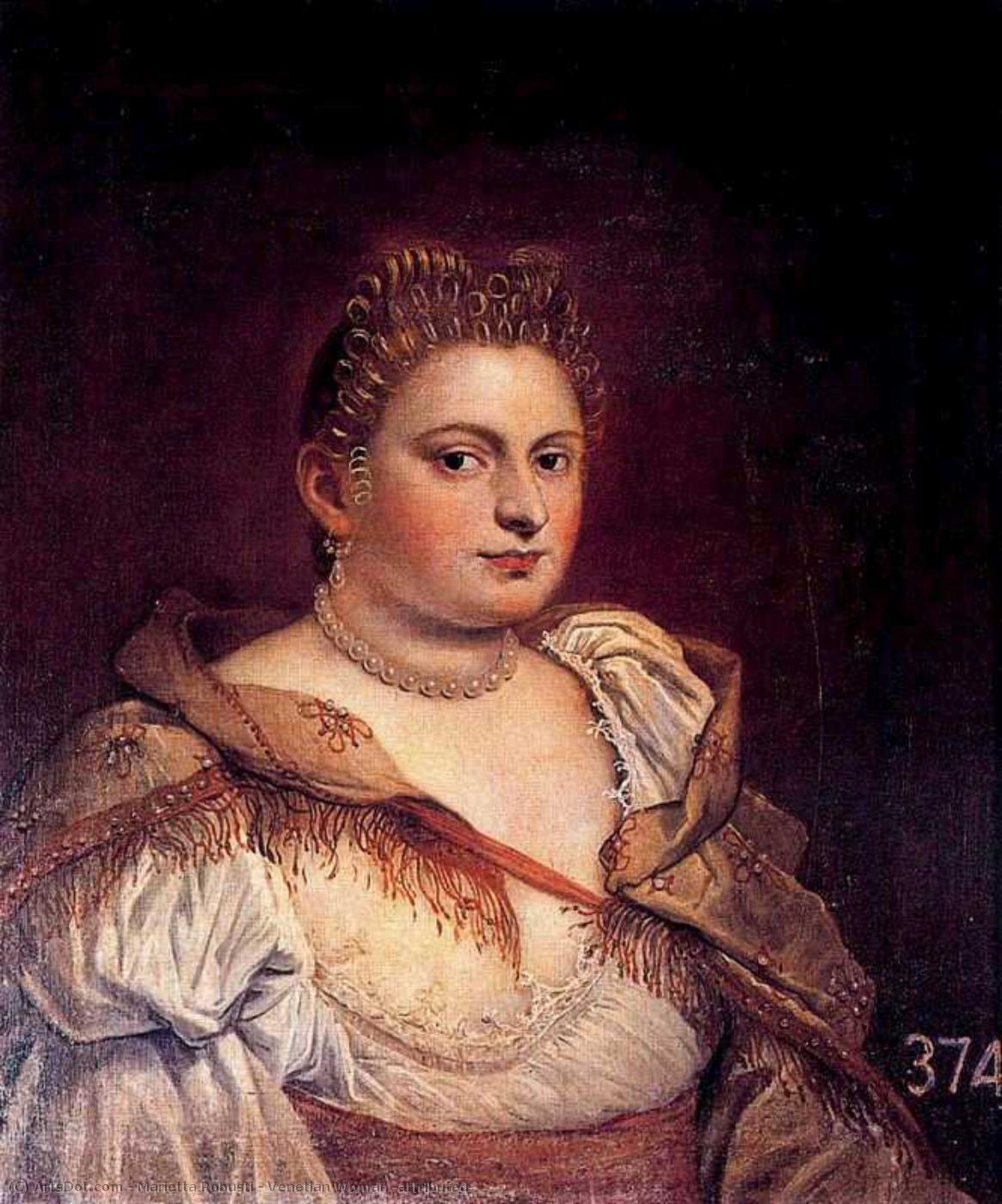
Venetian Woman (attributed)


 Read More
Hand Made Oil Reproduction
Hand-painted oil on canvas in your size and frame, made to order by our artists. ( Buy Print Buy Image)




P118B $10

P118H $10

P118W $10

P438Z $10

P508JH $12

P508YH $12

P805H $10

P805Z $10

P919BZ $10

P919G $10

P919XJ $10

P959ZH $10

P968JZ $12

W106C $8

W218G $10

W218JH $8

W218Y $10

W307PJ $10

W316G $10

W316PJ $8

W316Y $10

W398PJ $8

W4111J $10

W500HY $15

W500JH $15

W692G $12

W849H $8

W940BG $15

W953PJ $8




Pick from our preset sizes that match the artwork's original proportions.

You may enter your own dimensions to fit a specific frame or space. If your selected size does not match the original image's proportions, we will either crop the artwork or extend the painting with additional hand-painted elements. A digital mockup will be sent for your approval before production begins.
Please note that the on-screen preview does not reflect the actual cropping or extension. Only the mockup will accurately show the final composition.
While custom sizes are available, we recommend selecting a dimension from the predefined list to preserve the original proportions.
After order, OriginalUniqueArt.com team will email client for instructions and provide a mockup preview
Worldwide Delivery () in 3/4 weeks instead of standard 5 weeks. (20 August). No compromise on quality.

Free Worldwide Express Shipping

High-Quality Linen Canvas

Full Shipping Insurance

Customs Tax Refund Guarantee

True Color Matching Guarantee

60-Day Return Policy (Defects Only)

100% Money-Back Guarantee

Bulk Discount Offer
 Glass option is only available in size under 110 CM

Venetian Woman (attributed)
Reproduction Medium
Reproduction Size
-


Total Price
$ 300
Artwork Description
A Glimpse of Venetian Grace: Exploring Marietta Robusti’s “Venetian Woman”
Marietta Robusti's "Venetian Woman," often attributed to her father, the renowned Tintoretto, offers a captivating window into the artistic and social landscape of 16th-century Venice. More than just a portrait, it’s a carefully constructed tableau vivant—a moment frozen in time, revealing layers of wealth, status, and perhaps even a hint of melancholy. The painting, likely created around 1560, is a testament to the burgeoning Mannerist style that was beginning to challenge the established conventions of Renaissance art, while simultaneously retaining the rich traditions of Venetian painting.
The subject herself remains somewhat enigmatic, shrouded in the luxurious fabrics and elaborate headdress characteristic of Venetian nobility. Her pose, subtly turned towards the viewer, invites a quiet contemplation—a direct gaze that holds both dignity and a certain reserve. The creamy tones of her gown, meticulously rendered with fine embroidery along the neckline and sleeves, speak to her family’s considerable wealth and influence. The pearl necklace, a symbol of status and refinement, adds another layer of opulence, while the heavy gold headdress, adorned with pearls, further emphasizes her elevated position within Venetian society. The careful attention to detail—the delicate folds of the fabric, the subtle shading of the skin, the intricate patterns—demonstrates Robusti’s mastery of oil painting techniques and her deep understanding of human anatomy.
The Shadowed Studio: Contextualizing a Female Artist's Work
Understanding Marietta Robusti requires acknowledging the challenging circumstances under which she worked as an artist. As the daughter of Tintoretto, one of Venice’s most celebrated masters, she benefited from a privileged upbringing and access to his workshop—a rare opportunity for women in that era. However, female artists faced significant obstacles, often relegated to roles as assistants or studio hands rather than being recognized as independent creators. Despite these limitations, Robusti persevered, leaving behind a small but significant body of work, largely overshadowed by her father’s monumental achievements.
Her life, though shrouded in some mystery due to limited primary sources, offers a poignant glimpse into the dynamics of Venetian art production during this pivotal period. The biographical accounts available—primarily through Tintoretto's own Life—highlight her dedication and skill, while also revealing the societal pressures she faced as a woman pursuing a career in a traditionally male-dominated field. The fact that she was considered “la Tintoretta” – Tintoretto’s daughter – speaks volumes about the respect she garnered within the artistic community, even if it wasn't always acknowledged publicly.
A Dance of Light and Shadow: Artistic Technique
Robusti’s technique is a fascinating blend of observation and stylistic influence. While clearly drawing inspiration from her father’s dramatic use of light and shadow—a hallmark of Venetian painting—she demonstrates a more refined control over color and form, reflecting the growing sophistication of Mannerism. The composition is tightly framed, focusing almost entirely on the woman's face and upper torso, creating a sense of intimacy and immediacy. The lighting, soft and diffused, casts subtle shadows that define her facial features and clothing folds, adding depth and texture to the painting.
Noticeable brushstrokes are present, contributing to a slightly textured surface—a deliberate choice that adds visual interest and reinforces the hand-crafted quality of the artwork. The use of warm colors – reds, browns, and creams – creates a sense of richness and warmth, while the careful delineation of lines emphasizes the details of her gown, hair, and face. The overall effect is one of dignified beauty and timelessness, capturing not only the woman’s physical appearance but also her inner character.
Symbolism and Emotional Resonance
Beyond its technical merits, “Venetian Woman” resonates with a subtle emotional depth. The subject's serious expression—a direct gaze that engages the viewer—suggests a contemplative nature, perhaps even a hint of melancholy. The opulent attire and elaborate headdress serve as symbols of her social status and wealth, while the pearl necklace represents purity and virtue – values highly prized in Renaissance society.
Ultimately, the painting invites us to consider the complexities of Venetian life—the beauty, the luxury, but also the constraints and expectations placed upon women within that era. “Venetian Woman” is a powerful reminder of Marietta Robusti’s artistic talent and her enduring legacy as one of Venice's most talented, yet often overlooked, painters.
Artist Biography
Marietta Robusti: A Venetian Daughter’s Brushstroke
The world of 16th-century Venice, a crucible of artistic innovation and social constraint, produced a remarkable figure – Marietta Robusti, often known as “la Tintoretta.” Daughter of the celebrated master Jacopo Robusti, better recognized as Tintoretto, she navigated a challenging landscape for female artists, leaving behind a legacy of subtle brilliance and a poignant story of ambition, family, and untimely death. Her life, shrouded in some mystery due to limited primary sources, offers a fascinating glimpse into the dynamics of Venetian art production during a pivotal era.
Born around 1560 – though the exact year remains debated between 1555 and 1560 – Marietta’s early life was inextricably linked to her father's workshop. Tintoretto’s studio wasn’t merely a place of work; it was a vibrant, collaborative environment where artistic techniques were honed through shared experience. While the precise nature of her training remains somewhat elusive, it is believed that she contributed significantly to Tintoretto’s projects, primarily executing backgrounds and blocking out figures – tasks typically assigned to women within the established workshop hierarchy. This wasn't simply menial labor; it was a crucial element in the creation process, allowing her to absorb the master’s techniques and develop her own artistic sensibility.
A Daughter’s Apprenticeship and Artistic Identity
Marietta’s nickname, “la Tintoretta,” reflects both her lineage and her distinctive style. It translates as "little dyer girl," a nod to her grandfather's profession – a tintore, or dyer – and subtly alludes to the vibrant colors that characterized Tintoretto’s work. Her family history was complex; her father had married Faustina Episcopi, who later died, and he subsequently remarried, adding three half-brothers to his immediate family. This blended familial structure undoubtedly influenced Marietta's upbringing.
Interestingly, accounts from the time reveal that Marietta adopted a masculine guise – dressing as a boy – during her early years with Tintoretto. This unconventional choice wasn’t simply a childish whim; it was a deliberate strategy to gain access to the workshop and participate more fully in the artistic process, defying societal expectations for women at the time. Carlo Ridolfi, Tintoretto's biographer, vividly describes this period, highlighting Marietta’s close bond with her father and his evident affection for her.
Notable Works and Artistic Style
Despite the limitations placed upon female artists, Marietta Robusti managed to leave a discernible mark on Venetian art. While she didn’t receive independent commissions for major religious works like altarpieces – a common path for male painters – her contributions are nonetheless significant. The most widely accepted attribution is to her “Venetian Woman” (circa 1580), currently housed in the Uffizi Gallery in Florence. This portrait, rich with opulent colors and elegant detail, showcases her ability to capture likeness and convey a sense of dignified composure.
Furthermore, she assisted her father on several notable paintings, including “Portrait of Ottavio Strada” (1567), demonstrating her understanding of Tintoretto’s signature *chiaroscuro* technique – the dramatic use of light and shadow that defines his style. Her work often involved creating atmospheric backgrounds and subtly shaping figures within a composition, contributing to the overall harmony and dynamism of the paintings.
A Tragic End and Lasting Legacy
Marietta’s life was tragically cut short in 1590 at the age of thirty. She died during childbirth, a common fate for women of that era. Her death profoundly affected Tintoretto, who reportedly created a poignant posthumous portrait of her on her deathbed – an image that speaks volumes about their deep and enduring connection.
Following her demise, Marietta’s artistic achievements were largely overshadowed by those of her father. However, in more recent decades, scholars have begun to recognize the significance of her contributions and challenge the traditional narrative that has relegated her to a footnote in Venetian art history. Her story serves as a powerful reminder of the obstacles faced by female artists during the Renaissance and the enduring legacy of a talented woman who defied convention through her skill, determination, and familial ties.
Further Exploration
- Marietta Robusti (1554 - 1590) - OriginalUniqueArt.com: Explore her biography and artworks on OriginalUniqueArt.com
- Portrait of Ottavio Strada: Discover this masterpiece on OriginalUniqueArt.com
- Venetian Woman (attributed): View the ‘Venetian Woman’ on OriginalUniqueArt.com
- Wikipedia - Marietta Robusti: Read more about her life and work on Wikipedia
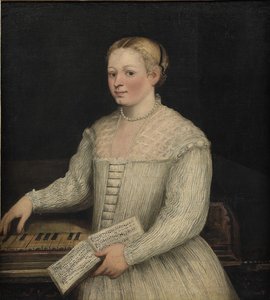
Marietta Robusti
1554 - 1590 , Italy
Quick Facts
- Artistic Movement Or Style: Renaissance
- Artists Or Movements Influenced By This Artist: ['Tintoretto']
- Artists Who Influenced This Artist: ['Tintoretto']
- Date Of Birth: 1560?
- Date Of Death: 1590
- Full Name: Marietta Robusti
- Nationality: Italian
- Notable Artworks:
- Self-portrait
- Portrait of Ottavio Strada
- Place Of Birth: Venice, Italy
Related Articles

Jacopo Tintoretto's Masterpieces: 25 Paintings That Define Venetian Drama | OriginalUniqueArt
Explore 25 breathtaking masterpieces by Jacopo Tintoretto, the Venetian master of drama and light. Discover the stories behind iconic Renaissance paintings & find museum-quality art reproductions to elevate your home decor on OriginalUniqueArt.com.
Golden Light & Rich Color: The Timeless Magic of Venetian Renaissance Art
Explore the luminous beauty of Venetian Renaissance art. Discover how masters like Titian used colorito and golden light to redefine painting through texture, emotion, and atmospheric brilliance in a masterclass of historical artistry.

The Golden Light of Innovation: Exploring the Venetian Renaissance Art Movement (1430–1580)
Explore the Golden Age of Venetian art (1430–1580). Discover Giorgione, Titian & Tintoretto's techniques, the 'colorito' revolution, and lasting influence. Expert insights for collectors & enthusiasts.

Venetian Renaissance: The Mastery of Color, Light, and the Art of Colorito
Explore the luminous mastery of the Venetian Renaissance. Discover how masters like Titian and Giorgione revolutionized art through colorito, light, and atmosphere. An expert guide to the golden age of Italian painting for collectors and enthusiasts.

Jacopo Palma il Giovane: A Venetian Master's Poetic Evolution
Explore the captivating world of Jacopo Palma il Giovane, a pivotal Venetian Renaissance master. Discover his unique style, influenced by Titian & Tintoretto, and learn about key works perfect for discerning collectors.



