Menu

() ·

A painting made for you, by hand

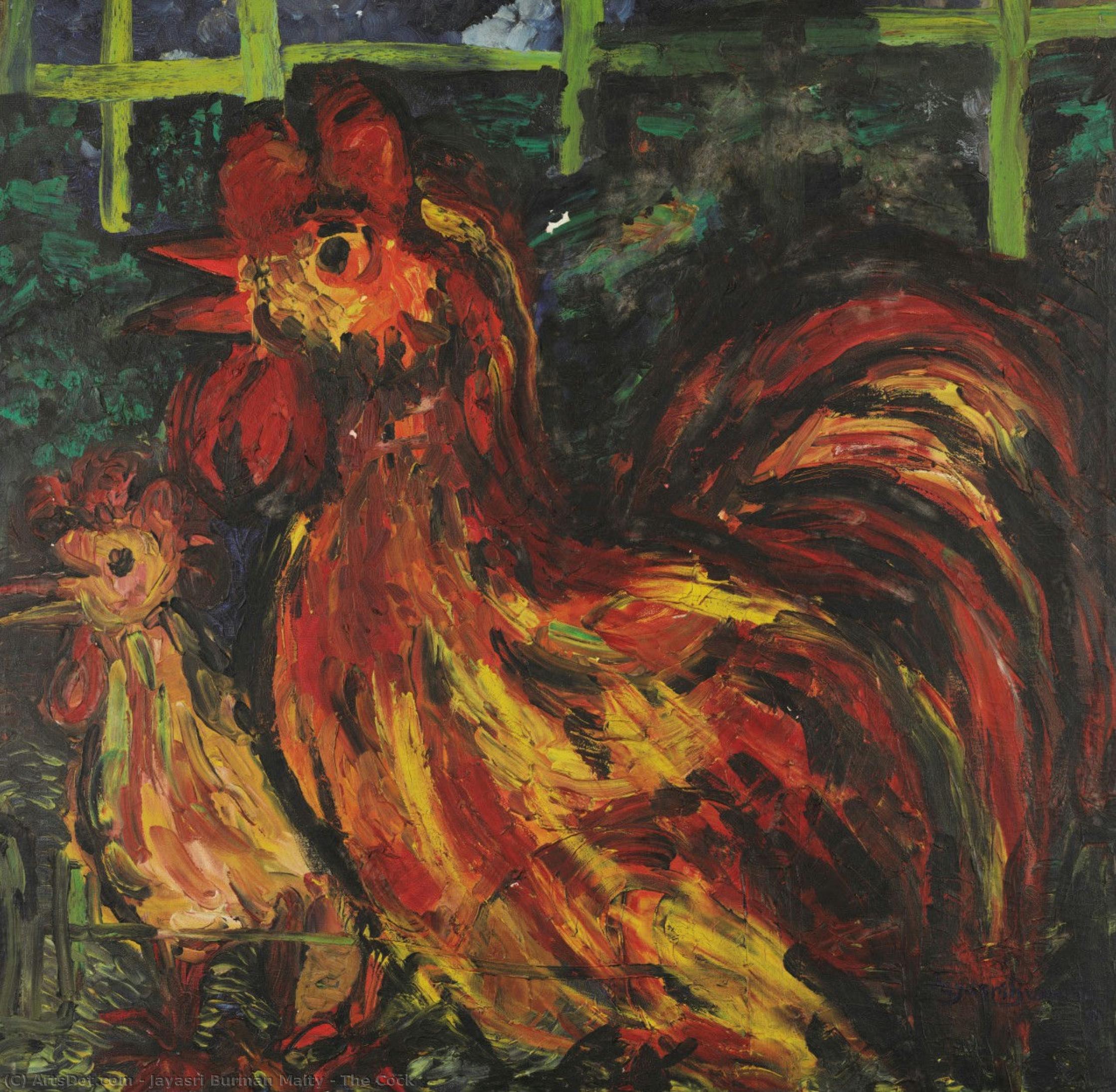
The Cock

Hand Made Oil Reproduction

Hand-painted oil on canvas in your size and frame, made to order by our artists. ( Switch to Print Switch to Digital Image)

Collectible Description

Jayasri Burman’s vibrant watercolor ‘The Cock’ showcases fantastical hybrid animals and bold themes with a striking rooster alongside a chicken, reflecting the experimental spirit of 1960s art. Discover this unique piece and bring its charm into your space.

Artist Biography

Explore Jayasri Burman Maity's captivating art! Indian painter & sculptor blending folk, myth & narrative in exquisite aquerò & bronze works. Discover her unique vision.

from ·

Chapter 1

How large should it be?

Slide to change the size; the picture on the left shows the frame at its real width. The proportions of the original are kept.

Standard
custom
CM
INCH

Pick from our preset sizes that match the artwork's original proportions.

width
height

Type the width and the height you need, to fit your frame or your wall. This is hand-painted, so for a size with a different shape the artist can paint a bit more around the picture, or cut a bit — you choose. We send you a digital mockup to approve before the painting starts. The picture shown on this page does not show the real result — only the mockup does.

Chapter 2

How should it arrive?

Choose the edges of the stretched canvas

Choose your frame

Corner sample of the WhiteWrap canvas edge finish, stretched on solid wood bars
White $1
Corner sample of the BlurSideWrap canvas edge finish, stretched on solid wood bars
Blurside $1
Corner sample of the ExtendedWrap canvas edge finish, stretched on solid wood bars
Extended $1
Corner sample of the P118B picture frame: moulded polystyrene, 5 cm wide and 3 cm thick
P118B $10
Corner sample of the P118H picture frame: moulded polystyrene, 5 cm wide and 3 cm thick
P118H $10
Corner sample of the P118W picture frame: moulded polystyrene, 5 cm wide and 3 cm thick
P118W $10
Corner sample of the P438Z picture frame: moulded polystyrene, 5.5 cm wide and 3.5 cm thick
P438Z $10
Corner sample of the P508JH picture frame: moulded polystyrene, 7 cm wide and 3.5 cm thick
P508JH $12
Corner sample of the P508YH picture frame: moulded polystyrene, 7 cm wide and 3.5 cm thick
P508YH $12
Corner sample of the P805H picture frame: moulded polystyrene, 5 cm wide and 3.5 cm thick
P805H $10
Corner sample of the P805Z picture frame: moulded polystyrene, 5 cm wide and 3.5 cm thick
P805Z $10
Corner sample of the P919BZ picture frame: moulded polystyrene, 7 cm wide and 3.5 cm thick
P919BZ $10
Corner sample of the P919G picture frame: moulded polystyrene, 7 cm wide and 3.5 cm thick
P919G $10
Corner sample of the P919XJ picture frame: moulded polystyrene, 7 cm wide and 3.5 cm thick
P919XJ $10
Corner sample of the P959ZH picture frame: moulded polystyrene, 5 cm wide and 3 cm thick
P959ZH $10
Corner sample of the P968JZ picture frame: moulded polystyrene, 6 cm wide and 4 cm thick
P968JZ $12
Corner sample of the W106C picture frame: solid wood, 5 cm wide and 3 cm thick
W106C $8
Corner sample of the W218G picture frame: solid wood, 5 cm wide and 3 cm thick
W218G $10
Corner sample of the W218JH picture frame: solid wood, 5 cm wide and 3 cm thick
W218JH $8
Corner sample of the W218Y picture frame: solid wood, 5 cm wide and 3 cm thick
W218Y $10
Corner sample of the W307PJ picture frame: solid wood, 6 cm wide and 3 cm thick
W307PJ $10
Corner sample of the W316G picture frame: solid wood, 6 cm wide and 3 cm thick
W316G $10
Corner sample of the W316PJ picture frame: solid wood, 6 cm wide and 3 cm thick
W316PJ $8
Corner sample of the W316Y picture frame: solid wood, 6 cm wide and 3 cm thick
W316Y $10
Corner sample of the W398PJ picture frame: solid wood, 5 cm wide and 3 cm thick
W398PJ $8
Corner sample of the W4111J picture frame: solid wood, 6.5 cm wide and 3.5 cm thick
W4111J $10
Corner sample of the W500HY picture frame: solid wood, 7 cm wide and 5 cm thick
W500HY $15
Corner sample of the W500JH picture frame: solid wood, 7 cm wide and 5 cm thick
W500JH $15
Corner sample of the W692G picture frame: solid wood, 8 cm wide and 4 cm thick
W692G $12
Corner sample of the W849H picture frame: solid wood, 5 cm wide and 3 cm thick
W849H $8
Corner sample of the W940BG picture frame: solid wood, 7.5 cm wide and 4.5 cm thick
W940BG $15
Corner sample of the W953PJ picture frame: solid wood, 6 cm wide and 3.5 cm thick
W953PJ $8
Corner sample of the H24-GOLD picture frame: carved wood with gesso, 10 cm wide and 6 cm thick
H24-GOLD $30
Corner sample of the H24-SILVER picture frame: carved wood with gesso, 10 cm wide and 6 cm thick
H24-SILVER $30
Corner sample of the H36-GOLD picture frame: carved wood with gesso, 15 cm wide and 6.5 cm thick
H36-GOLD $45
Corner sample of the H36-SILVER picture frame: carved wood with gesso, 15 cm wide and 6.5 cm thick
H36-SILVER $45
Frame preview
Framed

Moulding: . Overall size with the frame: .

Chapter 3

Who paints it, and should anything change?

Examples of what can be changed: Replace face with customer photo; Add pet (e.g., replace cat with dog); Include hidden message in background; Change background landscape or elements.
After order, OriginalUniqueArt.com team will email client for instructions and provide a mockup preview

Worldwide Delivery () in 3/4 weeks instead of standard 5 weeks. (30 October). No compromise on quality.

Chapter 4

The finishing touches

A nameplate, as in a museum?

Engraved Bronze Plaque Details

This elegant plaque features the artist's name and the title of the artwork, finely engraved for a timeless presentation.

It is made from bronze with a refined, elegant finish. The text is precisely laser-engraved for a sharp and permanent result. Measuring 9x2 cm, the plaque is compact yet easy to read. It's built to be durable and scratch-resistant, offering a professional, museum-quality look. Mounting is simple thanks to the included adhesive backing.

Transparent Acrylic Plaque Details

The plaque includes essential engraved details such as the artist's name, the title of the artwork, the date it was created, the type of media used-like oil on canvas or watercolor-a brief description of the piece, and a QR code that links to the complete artwork information.

It is crafted from clear acrylic, offering a sleek, modern appearance. The text is UV-engraved in black to ensure strong visual contrast. With a size of 10x15 cm, it ensures optimal readability. It comes equipped with two metal hooks for secure wall mounting. The plaque is designed to be weather-resistant, making it suitable for various environments, and it includes interactive features that work seamlessly with smartphone scanning.

Black Acrylic Plaque Details

This elegant plaque includes engraved information such as the artist's name, the title of the artwork, the date it was created, the type of media used (like oil on canvas or watercolor), a short description of the artwork, and a QR code for quick access to more information.

The plaque itself is made from refined black acrylic with a premium finish. The text is laser-engraved in white for high contrast and readability. Its size is 10x15 cm, designed to be easy to read. It comes with two metal hooks for professional mounting. The design is sleek and fits any interior style. It is also weather-resistant and durable, with built-in digital integration for mobile compatibility.

A protective varnish?

When do you need it?

Chapter 5

Your painting, as you ordered it

The Cock

Reproduction Medium

Reproduction Size

-

Elite Senior Artist

More detail, finesse, and extra production time

-

Reproduction Frame

-

-

For artworks or reproductions larger than 105 cm (approximately 41 inches) on any side, the frame will be shipped as a kit, disassembled. This method ensures safe delivery and prevents damage during transport.

Professional assembly required - this is not a DIY product.
The kit must be assembled and the canvas stretched by an experienced professional framer, using wood glue (not supplied), a canvas stretching plier and clamps to hold the bars square while the glue dries. Incorrect assembly or uneven canvas tension can permanently damage the artwork and is not covered by our warranty.

  • All solid wood bars are included, precisely cut to size.

  • Assembled with the screws provided, plus wood glue for the corner joints, which is not supplied and must be sourced by your framer.

  • Professional tools are required and not included: a canvas stretching plier (tensioner) and clamps to hold the bars square while the glue dries.

Important:
The corner joints require wood glue, the bars must be held with clamps until the glue is fully dry, and tightening the canvas on the assembled frame requires a canvas stretching plier. None of these are included in the kit. Please arrange an experienced professional framer before ordering this size.

Nameplate

-

-

Protective Varnish

Glossy Varnish (enhances colors, protects against light/moisture)

-

Customize My Artwork

Examples of what can be changed: Replace face with customer photo; Add pet (e.g., replace cat with dog); Include hidden message in background; Change background landscape or elements.

-

Urgent

Worldwide Delivery () in 3/4 weeks instead of standard 5 weeks. (30 October). No compromise on quality.

-

Express Shipping

Worldwide Delivery () in 5 weeks. (6 November).

Included

Total Price

$ 300

Total Price $ 300

Glass option is only available in size under 110 CM

Included with every order

  • Free Worldwide Express Shipping
  • High-Quality Linen Canvas
  • Full Shipping Insurance
  • Customs Tax Refund Guarantee
  • True Color Matching Guarantee
  • 100-Day Return Policy (Defects Only)
  • 100% Money-Back Guarantee
  • Bulk Discount Offer

A Vibrant Encounter: Jayasri Burman’s “The Cock”

Jayasri Burman’s “The Cock,” a captivating watercolour painting measuring 89 x 91 cm, is more than just a depiction of two birds; it's an immersive experience into the fantastical world conjured by one of India’s most intriguing contemporary artists. Born in Kolkata in 1960, Burman’s artistic journey began with formal training in printmaking under Monsieur Ceizerzi in Paris, a period that undoubtedly shaped her distinctive style and approach to subject matter. Her work has garnered international recognition, showcased at prestigious venues like the 1987 International Triennale in Germany and Gallery Sumukha in Hong Kong, reflecting a commitment to pushing artistic boundaries and exploring themes of hybridity and human connection.

  • Subject Matter: The painting centers around a striking juxtaposition – a rooster standing proudly beside a smaller chicken. This seemingly simple pairing immediately draws the viewer into a world where the familiar is rendered strange and beautiful.
  • Technique: Burman’s mastery of watercolour is evident in the rich, intense hues she employs. Her bold application of color creates a dynamic visual experience, emphasizing the textures and forms of the birds with remarkable precision. The use of light and shadow adds depth and dimension to the scene, further enhancing its impact.
  • Composition: The placement of the rooster as the focal point, coupled with the chicken’s deliberate positioning nearby, generates a compelling narrative tension. The inclusion of a window in the background introduces an element of perspective and invites the viewer to contemplate the relationship between the interior and exterior worlds.

Echoes of the 1960s: A Context for Burman's Vision

To fully appreciate “The Cock,” it’s crucial to understand the artistic landscape from which Jayasri Burman emerged. The 1960s represented a period of profound upheaval and transformation, a time when artists actively rejected the constraints of traditional art forms. Influenced by movements like Pop Art and fueled by social and political change – civil rights struggles, technological advancements, and the rise of counterculture – artists sought to challenge established norms and explore new ways of representing reality. Burman’s work embodies this spirit of experimentation, reflecting a desire to interrogate societal values and propose alternative perspectives.

Symbolism and Narrative

The rooster itself carries significant symbolic weight. Traditionally associated with courage, vigilance, and the rising sun, its presence in the painting suggests an assertion of strength and resilience. The smaller chicken, perhaps representing vulnerability or dependence, adds another layer to the narrative. The fantastical element – the hybrid animals with human heads and female figures that frequently appear in Burman’s work – elevates this scene beyond a simple observation of nature, inviting viewers to contemplate themes of identity, transformation, and the blurred boundaries between the natural and the artificial.

Emotional Impact and Artistic Value

"The Cock" is not merely a beautiful image; it's an emotionally resonant artwork that invites contemplation. Burman’s skillful use of color and composition creates a sense of wonder and intrigue, drawing the viewer into her unique artistic vision. This piece represents a significant addition to Burman’s oeuvre, showcasing her signature style and thematic concerns. A hand-painted reproduction offers collectors and interior designers alike the opportunity to experience the full impact of this captivating artwork in their own spaces – a vibrant reminder of the power of art to challenge, inspire, and transform our perceptions.

Questions & Answers

Is "The Cock" typical of what Jayasri Burman Maity usually created?

Among Jayasri Burman Maity's recorded themes - indian folklore, printmaking, surrealism, bold hues, burman's vision - "The Cock" brings its own focus on rooster, chicken, watercolour, hybrid animals, fantastical art, intense hues, bird painting.

What subjects appear in "The Cock" by Jayasri Burman Maity?

"The Cock" by Jayasri Burman Maity depicts: rooster, chicken, watercolour, hybrid animals, fantastical art, intense hues, bird painting.

How do I download the image of "The Cock" by Jayasri Burman Maity?

"The Cock" by Jayasri Burman Maity can be downloaded from the artwork's Download page, as a high-resolution digital image download.

More about this painting

Preview AR preview Switch to Print Switch to Digital Image Send
Details Guide Add to favorites Download Similars X-Ray Diaporama Q&A Stats

In numbers

  • 29frames to choose from
  • standard sizes, in its own proportions
  • 5weeks to paint and deliver it

About the original

Jayasri Burman Maity

Jayasri Burman Maity

1960 - , India

Quick facts about Jayasri Burman Maity

  • Full Name: WahooArt
  • Date Of Birth: 1960
  • Place Of Birth: Kolkata, India
  • Notable Artworks: ['Various famous artworks']
  • Artistic Movement Or Style: Hand-painted reproductions

Artist Biography

The Crucible of Change: An Exploration of the Art of the 1960s

The decade of the 1960s wasn’t merely a period in history; it was a seismic shift, a cultural earthquake that irrevocably altered the course of art. Emerging from the shadow of post-war austerity and the formalist strictures of mid-century modernism, artists began to dismantle established conventions, embracing experimentation, challenging societal norms, and forging entirely new visual languages. This wasn’t simply an artistic rebellion; it was a profound reflection of a world grappling with civil rights movements, political upheaval, technological advancements, and a burgeoning counterculture – all converging to create a uniquely volatile and creatively fertile environment. The art of this era wasn't about replicating reality; it was about interrogating it, questioning its values, and proposing alternative ways of seeing.
  • Pop Art’s Bold Statement: Born from the confluence of consumerism and mass media, Pop Art represented a deliberate rejection of Abstract Expressionism’s emphasis on individual emotion and subjective experience. Artists like Andy Warhol, Roy Lichtenstein, and Robert Rauschenberg took imagery directly from advertising, comic books, and everyday objects – soup cans, celebrities, billboards – elevating them to the status of art. This wasn't simply imitation; it was a commentary on the pervasive influence of mass culture and the blurring lines between high and low art. Warhol’s iconic silkscreen portraits of Marilyn Monroe, for instance, weren’t just beautiful images; they were meditations on celebrity, fame, and the commodification of identity.
  • Minimalism: Reducing to Essence Simultaneously, Minimalism emerged as a reaction against the perceived excesses of Abstract Expressionism. Artists like Donald Judd, Sol LeWitt, and Carl Andre stripped art down to its bare essentials – geometric forms, industrial materials, and simple processes. Their works weren’t intended to evoke emotion or tell stories; they were about the materiality of the object itself, challenging viewers to engage with it on a purely perceptual level. The stark simplicity of Judd's boxes, for example, forced a confrontation with space, form, and the viewer’s own experience within that space.
  • Conceptual Art: The Idea Takes Center Stage Alongside Pop and Minimalism, Conceptual art gained prominence, prioritizing the idea behind the artwork over its physical manifestation. Artists like Joseph Kosuth questioned the very definition of “art,” exploring concepts such as language, representation, and perception through performance, photography, and text-based works. This shift marked a significant departure from traditional notions of artistic skill and craftsmanship, placing intellectual inquiry at the heart of the creative process.

The Seeds of Rebellion: Influences and Context

To understand the art of the 1960s, it’s crucial to recognize the myriad influences that shaped its trajectory. The post-war economic boom created a climate of unprecedented prosperity, fueling consumerism and transforming American society. Simultaneously, the Civil Rights Movement challenged racial segregation and inequality, while the Vietnam War sparked widespread protests against government policies. These social and political upheavals directly impacted artists’ work, prompting them to engage with issues of identity, power, and social justice.
  • Dadaism and Surrealism: The legacy of Dada and Surrealism – movements that had emerged in the aftermath of World War I – continued to resonate throughout the 1960s. Artists like Robert Rauschenberg drew inspiration from Dada’s playful irreverence and Surrealism’s exploration of the subconscious, incorporating collage, assemblage, and chance operations into their work.
  • The Rise of Mass Media: The proliferation of television, photography, and advertising profoundly influenced artists' visual vocabulary. Warhol’s use of silkscreen printing, for example, was directly inspired by the techniques used in commercial printing, while Lichtenstein’s comic-inspired paintings reflected the growing popularity of superhero comics.
  • The Influence of Philosophy: The writings of philosophers like Ludwig Wittgenstein and Jacques Derrida – who challenged traditional notions of language and meaning – had a significant impact on Conceptual artists, encouraging them to question the relationship between art and reality.

Key Figures and Their Distinct Voices

While Pop Art and Minimalism dominated much of the decade’s artistic discourse, numerous other artists were pushing boundaries and experimenting with new approaches. Each artist brought their unique perspective and vision to bear on the challenges and opportunities of the era. Andy Warhol: Perhaps the most recognizable figure of the 1960s art scene, Warhol's silkscreen prints of celebrities and consumer products became synonymous with Pop Art’s embrace of mass culture. His work explored themes of celebrity, fame, and the commodification of images. Roy Lichtenstein: Known for his meticulous reproductions of comic book panels, Lichtenstein elevated commercial art to the level of fine art, challenging traditional notions of artistic skill and originality. Sol LeWitt: A pioneer of Minimalism, LeWitt’s geometric structures and wall drawings explored the relationship between idea and execution, emphasizing the importance of process over product. Joseph Kosuth: A key figure in Conceptual art, Kosuth's works questioned the definition of “art” itself, using language and photography to explore concepts such as representation and meaning.

Legacy and Enduring Significance

The art of the 1960s had a profound and lasting impact on the development of contemporary art. Its embrace of new media, its challenge to traditional conventions, and its engagement with social and political issues paved the way for subsequent movements such as Conceptual Art, Performance Art, and Feminist Art. The decade’s emphasis on process over product, idea over image, and participation over spectatorship continues to resonate today, shaping the way artists approach their work and engage with audiences. The 1960s weren't just a moment in art history; they were a catalyst for change—a period that fundamentally redefined what art could be and how it could function within society.

Quick Facts

  • Influences: Parisian printmaking
  • Subject or theme: Rooster, chicken
  • Title: The Cock
  • Artist: Jayasri Burman
Explore artworks organized by themes, styles, and characteristics.