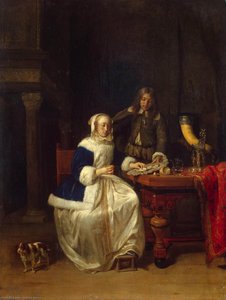
Preview
 Send
Send Share
Share
 Details
 Guide
Guide

 Download
 Similars
 X-Ray
X-Ray Diaporama
 Stats
StatsDead Cock
 Acrylic On Canvas
- WallArt
- Baroque
 57.0 x 40.0 cm
 Museo del Prado
 Read More
Hand Made Oil Reproduction
Hand-painted oil on canvas in your size and frame, made to order by our artists. ( Switch to Print Switch to Digital Image)




P118B $10

P118H $10

P118W $10

P438Z $10

P508JH $12

P508YH $12

P805H $10

P805Z $10

P919BZ $10

P919G $10

P919XJ $10

P959ZH $10

P968JZ $12

W106C $8

W218G $10

W218JH $8

W218Y $10

W307PJ $10

W316G $10

W316PJ $8

W316Y $10

W398PJ $8

W4111J $10

W500HY $15

W500JH $15

W692G $12

W849H $8

W940BG $15

W953PJ $8




Pick from our preset sizes that match the artwork's original proportions.

Type the width and the height you need, to fit your frame or your wall. This is hand-painted, so for a size with a different shape the artist can paint a bit more around the picture, or cut a bit — you choose. We send you a digital mockup to approve before the painting starts. The picture shown on this page does not show the real result — only the mockup does.
After order, OriginalUniqueArt.com team will email client for instructions and provide a mockup preview
Worldwide Delivery () in 3/4 weeks instead of standard 5 weeks. (23 October). No compromise on quality.

Free Worldwide Express Shipping

High-Quality Linen Canvas

Full Shipping Insurance

Customs Tax Refund Guarantee

True Color Matching Guarantee

100-Day Return Policy (Defects Only)

100% Money-Back Guarantee

Bulk Discount Offer
 Glass option is only available in size under 110 CM

Dead Cock
Reproduction Medium
Reproduction Size
-


Total Price
$ 300
A Silent Testament: Gabriel Metsu’s “Dead Cock”
Gabriel Metsu's "Dead Cock," painted circa 1659-1660, is not merely a still life; it’s a profoundly unsettling meditation on mortality, vulnerability, and the fleeting nature of beauty. This small panel, measuring just 57 x 40 cm, housed within the Museo del Prado in Madrid, commands attention with its stark simplicity and unnerving realism. It depicts a recently deceased rooster, meticulously rendered with an almost clinical precision – feathers ruffled, skin subtly flushed, and feet delicately positioned on a simple wooden hook. Yet, it’s precisely this meticulous detail that elevates the painting beyond a straightforward depiction of death; Metsu forces us to confront the raw, unvarnished truth of decay.
Metsu's artistic trajectory is notoriously complex, defying easy categorization. He was a “highly eclectic artist,” as art historian Arnold Houbraken noted, moving seamlessly between history paintings, portraits, and genre scenes – often blending influences from various masters like Rembrandt and Jan Steen. This versatility is particularly evident in "Dead Cock," which draws upon elements of both Dutch Baroque realism and the more emotionally charged style of Flemish artists. The composition itself is deceptively straightforward: a single subject dominating the frame, bathed in a muted, almost somber light that emphasizes its vulnerability. The dark background serves to heighten the rooster’s presence, creating a dramatic contrast that underscores its stillness.
The Symbolism of Mortality and Loss
The symbolism embedded within “Dead Cock” is layered and open to interpretation. The rooster itself – traditionally associated with masculinity, vitality, and heraldry – becomes an emblem of loss and the inevitable decline of life. Its recent demise is palpable; the subtle discoloration of its skin hints at the swiftness of death, while the carefully arranged feathers suggest a deliberate attempt to preserve some semblance of dignity in the face of oblivion. The hook, a simple, utilitarian object, serves as a stark reminder of the rooster’s fate – suspended between life and death, a poignant symbol of suspension itself.
Furthermore, the painting's context within Metsu’s oeuvre—his penchant for depicting solitary women engaged in domestic activities—adds another layer of meaning. The rooster’s vulnerability mirrors the fragility of human existence, echoing themes often explored in his genre scenes. It’s a quiet lament on the transient beauty of life and the inevitability of decay, rendered with an almost unnerving stillness.
Technique and Artistic Nuances
Metsu's technical skill is undeniable. He masterfully employs chiaroscuro – the dramatic contrast between light and shadow – to sculpt the form of the rooster, creating a sense of three-dimensionality that belies its small scale. The meticulous rendering of feathers, with their individual textures and subtle variations in color, demonstrates an extraordinary level of detail and observation. The use of oil paint allows for a rich, luminous quality, capturing the delicate sheen of skin and the subtle reflections on the rooster’s plumage.
Notably, Metsu's work was often characterized by a deliberate lack of overt sentimentality. He avoided dramatic gestures or exaggerated expressions, instead opting for a quiet, understated realism that invites contemplation. This restraint is particularly evident in “Dead Cock,” where the painting’s power lies not in its emotional intensity but in its ability to evoke a profound sense of melancholy and reflection.
A Reproduction Worth Cherishing
OriginalUniqueArt offers meticulously hand-painted reproductions of Gabriel Metsu's "Dead Cock," capturing the essence of this haunting masterpiece. Each reproduction is created by skilled artists using archival-quality materials, ensuring that the colors and details faithfully replicate those of the original painting. Whether displayed in a formal gallery setting or incorporated into a personal collection, this reproduction provides a tangible connection to one of the most enigmatic figures of the Dutch Golden Age – a silent testament to the beauty and fragility of life.
Questions & Answers
How is the palette of "Dead Cock" by Gabriel Metsu described?
"Dead Cock" by Gabriel Metsu uses an earthy color palette. The palette summarizes the work's overall color character.
What emotion does the Baroque work "Dead Cock" convey?
Within the Baroque movement, "Dead Cock" is recorded with a melancholic tone.
What is "Dead Cock" made with, and in which style?
"Dead Cock" by Gabriel Metsu combines the acrylic on canvas technique with the Baroque style. Technique and movement describe the making and the style of the work.
Artist Biography
**a life of artistic exploration**
gabriël metsu, a dutch painter from the netherlands, lived a life marked by artistic exploration and innovation. born in 1629, metsu's work embodied the spirit of the dutch golden age, a period renowned for its prolific artistic output. this biography delves into the life and works of this enigmatic figure, whose contributions to the art world continue to fascinate.**early life and influences**
metsu was born in 1629, the son of jacques metsu, a tapestry worker and painter originally from hainault. this eclectic background likely influenced gabriel's early interest in diverse artistic techniques. the family's move to leiden, where metsu grew up, exposed him to various cultural influences.**artistic career**
metsu's career was marked by an adherence to no single style or technique, earning him the title of "a highly eclectic artist." his work spanned history paintings, still lifes, portraits, and genre works. notably, only 14 of his 133 works are dated, leaving much to be discovered about his creative process.- rembrandt van rijn's influence on metsu's early work is evident, particularly in his use of light and color.
- metsu's move to amsterdam in 1655 marked a significant shift in his style, with more emphasis on domestic interiors and genre scenes.
- his training of michiel van musscher and joost van geel reflects his commitment to the artistic community.
**notable works and legacy**
metsu's paintings often featured young women, market scenes, and old people, drawing from popular emblems. a notable example is the poultry seller, which showcases his use of symbolism. key works:- the sick child (c. 1664), reflecting metsu's admiration for vermeer's work.
- portrait of the family hinlopen, a masterpiece that blends genre and portrait painting.
**museums and collections**
metsu's works can be found in various museums, including the rijksmuseum in amsterdam. for more information on his art and to explore other dutch golden age painters, visit /en/art/show/art-d3c627-en/ for a comprehensive overview. **conclusion:** gabriel metsu's life and art are a testament to the innovative spirit of the dutch golden age. his eclectic style, though sometimes enigmatic, has left an indelible mark on the world of art. as we continue to uncover more about his life and works, we are reminded of the profound impact he had on the development of western art.- for a deeper understanding of the dutch golden age, refer to [https://en.wikipedia.org/wiki/dutch_golden_age_painting](https://en.wikipedia.org/wiki/dutch_golden_age_painting).
- explore more of metsu's works and those of his contemporaries at [https://OriginalUniqueArt.com/@/gabriel-metsu](https://OriginalUniqueArt.com/@/gabriel-metsu).
**references:**
- the house of orange-nassau historic collection trust (the hague, netherlands), [https://OriginalUniqueArt.com/@@/a@d3ccx5](https://OriginalUniqueArt.com/@@/a@d3ccx5).
- van gogh museum (netherlands) - a haven for art lovers, [https://OriginalUniqueArt.com/@@/a@d3c8x3](https://OriginalUniqueArt.com/@@/a@d3c8x3).
- dutch golden age painting, [https://en.wikipedia.org/wiki/dutch_golden_age_painting](https://en.wikipedia.org/wiki/dutch_golden_age_painting).

Gabriel Metsu
1629 - 1667 , Netherlands
Quick Facts
- Artistic Movement Or Style: Dutch Golden Age painting
- Artists Or Movements Influenced By This Artist:
- Michiel van Musscher
- Joost van Geel
- Artists Who Influenced This Artist:
- Rembrandt van Rijn
- Johannes Vermeer
- Date Of Birth: 1629
- Date Of Death: 1667
- Full Name: Gabriel Metsu
- Nationality: Dutch
- Notable Artworks:
- The Sick Child
- Poultry Seller
- Portrait of the Hinlopen Family
- Place Of Birth: Leiden, Netherlands
Related Articles
Dante Gabriel Rossetti's 25 Masterpieces: A Journey Through Victorian Art & Symbolism | OriginalUniqueArt
Explore 25 iconic artworks by Dante Gabriel Rossetti, a leading Pre-Raphaelite artist. Discover the stories behind masterpieces like 'Proserpine' & 'Beata Beatrix'. Find museum-quality art reproductions and elevate your home decor with OriginalUniqueArt.com.

Dutch Masters: 10 Golden Age Paintings That Still Inspire |
Journey into the Dutch Golden Age! Explore 10 iconic paintings by Rembrandt, Vermeer & Hals. Discover the stories behind these Baroque masterpieces and find museum-quality art reproductions to elevate your home decor on .

Gabriel Metsu: Illuminating Dutch Daily Life with Exquisite Detail
Explore the captivating world of Gabriel Metsu, a leading Dutch Golden Age painter. Discover his exquisite genre scenes, masterful realism, and insightful social commentary. Learn about key works & his lasting legacy.
Abraham Hendricksz van Beyeren: Pioneering Dutch Still Life & the Banquet Tradition
Explore the captivating world of Dutch Golden Age still life with Abraham van Beyeren. Discover his innovative techniques, symbolic banquet scenes & lasting influence on art history. Learn about collecting these masterpieces.

Golden Light & Dutch Skies: The Timeless Magic of Dutch Golden Age Landscapes
Discover the breathtaking beauty of Dutch Golden Age landscapes. Explore the mastery of light, chiaroscuro, and 17th-century realism through an expert art history lens, celebrating the enduring legacy of the Dutch Masters for discerning collectors and art lovers.