Preview
 Send
Send Share
Share
 Details
 Guide
Guide

 Download
 Similars
 X-Ray
X-Ray Diaporama
 Stats
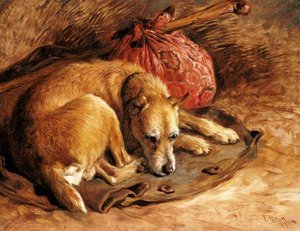
StatsBayard - Nicknamed Barry
 Read More
Hand Made Oil Reproduction
Hand-painted oil on canvas in your size and frame, made to order by our artists. ( Switch to Print Switch to Digital Image)




































Pick from our preset sizes that match the artwork's original proportions.

Type the width and the height you need, to fit your frame or your wall. This is hand-painted, so for a size with a different shape the artist can paint a bit more around the picture, or cut a bit — you choose. We send you a digital mockup to approve before the painting starts. The picture shown on this page does not show the real result — only the mockup does.
After order, OriginalUniqueArt.com team will email client for instructions and provide a mockup preview
Worldwide Delivery () in 3/4 weeks instead of standard 5 weeks. (23 October). No compromise on quality.

Free Worldwide Express Shipping

High-Quality Linen Canvas

Full Shipping Insurance

Customs Tax Refund Guarantee

True Color Matching Guarantee

100-Day Return Policy (Defects Only)

100% Money-Back Guarantee

Bulk Discount Offer
 Glass option is only available in size under 110 CM

Bayard - Nicknamed Barry
Reproduction Medium
Reproduction Size
-


Total Price
$ 300
Artist Biography
A Life Steeped in Rural Charm: The World of Frank Paton
Frank Paton, a name perhaps less familiar than some of his Victorian contemporaries, nevertheless holds a cherished place in the hearts of collectors and lovers of pastoral scenes. Born in 1855 in Stepney, London, to James and Mary Ann (née Ross) Paton, young Frank’s early life was shaped by the contrasting environments of bustling East End and the quieter coastal town of Gravesend, Kent, where his father served as a maritime pilot. While his brothers embraced careers at sea, Frank demonstrated an exceptional talent for depicting animals – a passion that would define his artistic journey. This innate ability led him away from traditional family pursuits, allowing him to dedicate himself to honing his skills and pursuing a life dedicated to art. Rumors of brief sojourns in France, working with stained glass, and even a period spent in Australia, where he had relatives in Williamstown, Victoria, add intriguing layers to the narrative of his early development, hinting at a restless spirit seeking inspiration across continents. Though details remain somewhat elusive regarding these periods, they undoubtedly contributed to the breadth of observation that would later characterize his work.The Rise of a Victorian Animalier
Paton’s artistic career blossomed during the late Victorian and Edwardian eras, a period marked by a fascination with naturalism and idyllic rural life. He quickly established himself as a skilled “animalier,” an artist specializing in animal portraits and scenes. Unlike some of his contemporaries who focused on grand historical narratives or dramatic landscapes, Paton found beauty and narrative potential in the everyday lives of animals within their natural habitats. His paintings are imbued with a gentle realism, capturing not just physical likeness but also conveying a sense of personality and character in each creature depicted. Early exhibitions at the Royal Academy, beginning in 1878 with his charming “You Are No Chicken,” signaled his growing recognition within the art world. This early success led to a fruitful partnership with Edward Ernest Leggatt, a prominent print dealer who recognized Paton’s commercial potential and became instrumental in disseminating his work through engravings and prints."Fairest of Them All" and the Christmas Card Phenomenon
Perhaps Paton's most enduring legacy lies in his iconic compositions like "Fairest of Them All” and “Puss in Boots,” both created around 1880, which achieved widespread popularity through reproductions on posters, plates, and other decorative items. These works exemplify his ability to blend sentimentality with technical skill, creating images that resonated deeply with Victorian audiences. However, it was his series of printed Christmas cards, published annually between 1880 and 1909, that truly cemented his place in popular culture. These cards, meticulously designed and beautifully rendered, became highly sought-after collectibles, offering an accessible entry point for those eager to acquire a piece of Paton’s art. Each card featured a central image—often depicting animals engaged in charming or humorous scenarios—surrounded by a border of smaller vignettes that added layers of narrative detail. The cards' popularity speaks volumes about the Victorian era’s appreciation for sentimentality, domesticity, and the enduring appeal of animal imagery.A Legacy of Gentle Observation
Frank Paton died in 1909, leaving behind a body of work celebrated for its gentle observation of rural life and its endearing depictions of animals. Though he never achieved the same level of fame as some of his contemporaries, his paintings and prints continue to captivate audiences with their warmth, charm, and technical proficiency. His Christmas cards remain particularly treasured, offering a glimpse into the Victorian era’s festive traditions and showcasing Paton's unique ability to capture the essence of simple joys. Today, collectors seek out original paintings and early printed works, recognizing in them a testament to an artist who found beauty in the everyday and shared it with the world through his art. His work serves as a reminder of the enduring power of pastoral scenes and the timeless appeal of animals depicted with such affection and skill.
Frank Paton
1855 - 1909 , United Kingdom
Quick Facts
- Full Name: Frank Paton
- Nationality: British
- Date Of Birth: 1855
- Date Of Death: 1909
- Place Of Birth: Stepney, United Kingdom
- Notable Artworks:
- Fairest of Them All
- Puss in Boots
- Artistic Movement Or Style: Victorian and Edwardian