Switch to Print
 Read More







































 For artworks or reproductions larger than 105 cm (approximately 41 inches) on any side, the frame will be shipped as a kit, disassembled. This method ensures safe delivery and prevents damage during transport.


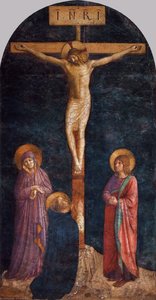
A Vision of Suffering and Faith: Fra Angelico’s *Flagellation of Christ*
Fra Angelico's *Flagellation of Christ*, housed within the serene walls of Florence’s Museo di San Marco, is not merely a depiction of physical torment; it’s a profound meditation on sacrifice, faith, and divine acceptance. Painted during the Early Renaissance – the Quattrocento – this work exemplifies the era’s burgeoning interest in humanism *and* its unwavering devotion to religious narrative. It stands as a testament to Angelico's unique ability to blend spiritual intensity with emerging artistic innovations.Historical Context & Artistic Innovation
Created around 1440, the painting reflects a pivotal moment in art history. The Quattrocento witnessed a revival of classical ideals alongside a deepening Christian piety. Fra Angelico, as a Dominican friar, embodied this duality. He wasn’t simply illustrating scripture; he was *praying* through paint. The composition demonstrates a clear awareness of contemporary artistic trends, notably drawing inspiration from Masaccio's groundbreaking use of linear perspective in works like the *Holy Trinity*. However, Angelico infuses his scene with a distinctive serenity and delicate color palette that sets it apart.Decoding the Composition & Technique
The fresco depicts the harrowing moment when Jesus is scourged before his crucifixion. Angelico masterfully arranges the figures within a carefully constructed pyramidal composition – a hallmark of Renaissance design – lending stability and focus to the scene. The architecture, rendered with precise linear perspective, creates a believable spatial depth, drawing the viewer into the unfolding drama.- Fresco Technique: Executed in fresco, the painting’s pigments were applied directly onto wet plaster, resulting in a matte finish and remarkable durability.
- Color Palette: The restrained yet luminous color palette – dominated by ochres, reds, and blues – contributes to the work's solemn atmosphere.
- Figure Placement: The positioning of the figures isn’t chaotic; it is deliberate, guiding our eye towards Christ as the central focal point.
Symbolism & Spiritual Resonance
Beyond its literal depiction, *The Flagellation* is rich in symbolic meaning.- Christ’s Nudity: His exposed body symbolizes vulnerability and innocence, emphasizing the injustice of his suffering.
- The Roman Soldiers: Represent earthly power and brutality, contrasting sharply with Christ's divine grace.
- Architectural Setting: The classical architecture alludes to both the Roman world responsible for Christ’s persecution *and* a sense of timelessness, suggesting the universality of his sacrifice.
Emotional Impact & Lasting Legacy
*The Flagellation of Christ* evokes a sense of quiet contemplation rather than overt anguish. Angelico achieves this through his delicate brushwork, harmonious colors, and the dignified composure of the figures. The scene is deeply moving not because of its graphic depiction of violence, but because of its profound expression of faith and sacrifice. The painting’s influence extends far beyond the Renaissance. It has inspired generations of artists, including those associated with the Pre-Raphaelite and Symbolist movements, who admired its emotional intensity and symbolic depth. Today, it continues to captivate viewers with its timeless beauty and spiritual power – a testament to Fra Angelico's enduring genius.Questions & Answers
What space is suggested for "Flagellation" by Fra Angelico?
"Flagellation" by Fra Angelico is recommended for a living room. This suggestion is based on the work's subject, colors and mood.
What aliases or alternate names does Fra Angelico have?
Fra Angelico is also known as Giovanni da Fiesole, Fra Giovanni, Fra Giovanni da Fiesole, Fra Giovanni Angelico, Beato Angelico.
Is "Flagellation" free of copyright?
The copyright answer for "Flagellation" by Fra Angelico: the work is in the public domain - its copyright has expired. This determines whether reproductions of the image may be freely made.
More about this painting
 Send
Send Share
Share
 Details
 Guide
Guide

 Download
 Similars
 Diaporama
 Q&A
Q&A Stats
Stats