Menu

() ·

A painting made for you, by hand

Figure study

Hand Made Oil Reproduction

Hand-painted oil on canvas in your size and frame, made to order by our artists. ( Switch to Print Switch to Digital Image)

Collectible Description

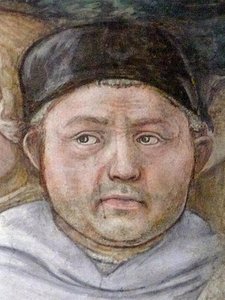
Explore Filippo Lippi's masterful pen drawing 'Figure Study,' capturing the contemplative grace of a Renaissance woman amidst classical drapery and subtle shading techniques.

Artist Biography

Filippo Lippi (1406-1469): Renaissance painter celebrated for lyrical Madonnas, naturalism & innovative compositions. Influenced Botticelli & shaped Quattrocento art. Explore his life & work!

from ·

Chapter 1

How large should it be?

Slide to change the size; the picture on the left shows the frame at its real width. The proportions of the original are kept.

Standard
custom
CM
INCH

Pick from our preset sizes that match the artwork's original proportions.

width
height

Type the width and the height you need, to fit your frame or your wall. This is hand-painted, so for a size with a different shape the artist can paint a bit more around the picture, or cut a bit — you choose. We send you a digital mockup to approve before the painting starts. The picture shown on this page does not show the real result — only the mockup does.

Chapter 2

How should it arrive?

Choose the edges of the stretched canvas

Choose your frame

Corner sample of the WhiteWrap canvas edge finish, stretched on solid wood bars
White $1
Corner sample of the BlurSideWrap canvas edge finish, stretched on solid wood bars
Blurside $1
Corner sample of the ExtendedWrap canvas edge finish, stretched on solid wood bars
Extended $1
Corner sample of the P118B picture frame: moulded polystyrene, 5 cm wide and 3 cm thick
P118B $10
Corner sample of the P118H picture frame: moulded polystyrene, 5 cm wide and 3 cm thick
P118H $10
Corner sample of the P118W picture frame: moulded polystyrene, 5 cm wide and 3 cm thick
P118W $10
Corner sample of the P438Z picture frame: moulded polystyrene, 5.5 cm wide and 3.5 cm thick
P438Z $10
Corner sample of the P508JH picture frame: moulded polystyrene, 7 cm wide and 3.5 cm thick
P508JH $12
Corner sample of the P508YH picture frame: moulded polystyrene, 7 cm wide and 3.5 cm thick
P508YH $12
Corner sample of the P805H picture frame: moulded polystyrene, 5 cm wide and 3.5 cm thick
P805H $10
Corner sample of the P805Z picture frame: moulded polystyrene, 5 cm wide and 3.5 cm thick
P805Z $10
Corner sample of the P919BZ picture frame: moulded polystyrene, 7 cm wide and 3.5 cm thick
P919BZ $10
Corner sample of the P919G picture frame: moulded polystyrene, 7 cm wide and 3.5 cm thick
P919G $10
Corner sample of the P919XJ picture frame: moulded polystyrene, 7 cm wide and 3.5 cm thick
P919XJ $10
Corner sample of the P959ZH picture frame: moulded polystyrene, 5 cm wide and 3 cm thick
P959ZH $10
Corner sample of the P968JZ picture frame: moulded polystyrene, 6 cm wide and 4 cm thick
P968JZ $12
Corner sample of the W106C picture frame: solid wood, 5 cm wide and 3 cm thick
W106C $8
Corner sample of the W218G picture frame: solid wood, 5 cm wide and 3 cm thick
W218G $10
Corner sample of the W218JH picture frame: solid wood, 5 cm wide and 3 cm thick
W218JH $8
Corner sample of the W218Y picture frame: solid wood, 5 cm wide and 3 cm thick
W218Y $10
Corner sample of the W307PJ picture frame: solid wood, 6 cm wide and 3 cm thick
W307PJ $10
Corner sample of the W316G picture frame: solid wood, 6 cm wide and 3 cm thick
W316G $10
Corner sample of the W316PJ picture frame: solid wood, 6 cm wide and 3 cm thick
W316PJ $8
Corner sample of the W316Y picture frame: solid wood, 6 cm wide and 3 cm thick
W316Y $10
Corner sample of the W398PJ picture frame: solid wood, 5 cm wide and 3 cm thick
W398PJ $8
Corner sample of the W4111J picture frame: solid wood, 6.5 cm wide and 3.5 cm thick
W4111J $10
Corner sample of the W500HY picture frame: solid wood, 7 cm wide and 5 cm thick
W500HY $15
Corner sample of the W500JH picture frame: solid wood, 7 cm wide and 5 cm thick
W500JH $15
Corner sample of the W692G picture frame: solid wood, 8 cm wide and 4 cm thick
W692G $12
Corner sample of the W849H picture frame: solid wood, 5 cm wide and 3 cm thick
W849H $8
Corner sample of the W940BG picture frame: solid wood, 7.5 cm wide and 4.5 cm thick
W940BG $15
Corner sample of the W953PJ picture frame: solid wood, 6 cm wide and 3.5 cm thick
W953PJ $8
Corner sample of the H24-GOLD picture frame: carved wood with gesso, 10 cm wide and 6 cm thick
H24-GOLD $30
Corner sample of the H24-SILVER picture frame: carved wood with gesso, 10 cm wide and 6 cm thick
H24-SILVER $30
Corner sample of the H36-GOLD picture frame: carved wood with gesso, 15 cm wide and 6.5 cm thick
H36-GOLD $45
Corner sample of the H36-SILVER picture frame: carved wood with gesso, 15 cm wide and 6.5 cm thick
H36-SILVER $45
Frame preview
Framed

Moulding: . Overall size with the frame: .

Chapter 3

Who paints it, and should anything change?

Examples of what can be changed: Replace face with customer photo; Add pet (e.g., replace cat with dog); Include hidden message in background; Change background landscape or elements.
After order, OriginalUniqueArt.com team will email client for instructions and provide a mockup preview

Worldwide Delivery () in 3/4 weeks instead of standard 5 weeks. (30 October). No compromise on quality.

Chapter 4

The finishing touches

A nameplate, as in a museum?

Engraved Bronze Plaque Details

This elegant plaque features the artist's name and the title of the artwork, finely engraved for a timeless presentation.

It is made from bronze with a refined, elegant finish. The text is precisely laser-engraved for a sharp and permanent result. Measuring 9x2 cm, the plaque is compact yet easy to read. It's built to be durable and scratch-resistant, offering a professional, museum-quality look. Mounting is simple thanks to the included adhesive backing.

Transparent Acrylic Plaque Details

The plaque includes essential engraved details such as the artist's name, the title of the artwork, the date it was created, the type of media used-like oil on canvas or watercolor-a brief description of the piece, and a QR code that links to the complete artwork information.

It is crafted from clear acrylic, offering a sleek, modern appearance. The text is UV-engraved in black to ensure strong visual contrast. With a size of 10x15 cm, it ensures optimal readability. It comes equipped with two metal hooks for secure wall mounting. The plaque is designed to be weather-resistant, making it suitable for various environments, and it includes interactive features that work seamlessly with smartphone scanning.

Black Acrylic Plaque Details

This elegant plaque includes engraved information such as the artist's name, the title of the artwork, the date it was created, the type of media used (like oil on canvas or watercolor), a short description of the artwork, and a QR code for quick access to more information.

The plaque itself is made from refined black acrylic with a premium finish. The text is laser-engraved in white for high contrast and readability. Its size is 10x15 cm, designed to be easy to read. It comes with two metal hooks for professional mounting. The design is sleek and fits any interior style. It is also weather-resistant and durable, with built-in digital integration for mobile compatibility.

A protective varnish?

When do you need it?

Chapter 5

Your painting, as you ordered it

Figure study

Reproduction Medium

Reproduction Size

-

Elite Senior Artist

More detail, finesse, and extra production time

-

Reproduction Frame

-

-

For artworks or reproductions larger than 105 cm (approximately 41 inches) on any side, the frame will be shipped as a kit, disassembled. This method ensures safe delivery and prevents damage during transport.

Professional assembly required - this is not a DIY product.
The kit must be assembled and the canvas stretched by an experienced professional framer, using wood glue (not supplied), a canvas stretching plier and clamps to hold the bars square while the glue dries. Incorrect assembly or uneven canvas tension can permanently damage the artwork and is not covered by our warranty.

  • All solid wood bars are included, precisely cut to size.

  • Assembled with the screws provided, plus wood glue for the corner joints, which is not supplied and must be sourced by your framer.

  • Professional tools are required and not included: a canvas stretching plier (tensioner) and clamps to hold the bars square while the glue dries.

Important:
The corner joints require wood glue, the bars must be held with clamps until the glue is fully dry, and tightening the canvas on the assembled frame requires a canvas stretching plier. None of these are included in the kit. Please arrange an experienced professional framer before ordering this size.

Nameplate

-

-

Protective Varnish

Glossy Varnish (enhances colors, protects against light/moisture)

-

Customize My Artwork

Examples of what can be changed: Replace face with customer photo; Add pet (e.g., replace cat with dog); Include hidden message in background; Change background landscape or elements.

-

Urgent

Worldwide Delivery () in 3/4 weeks instead of standard 5 weeks. (30 October). No compromise on quality.

-

Express Shipping

Worldwide Delivery () in 5 weeks. (6 November).

Included

Total Price

$ 300

Total Price $ 300

Glass option is only available in size under 110 CM

Included with every order

  • Free Worldwide Express Shipping
  • High-Quality Linen Canvas
  • Full Shipping Insurance
  • Customs Tax Refund Guarantee
  • True Color Matching Guarantee
  • 100-Day Return Policy (Defects Only)
  • 100% Money-Back Guarantee
  • Bulk Discount Offer

A Study in Contemplation: Filippo Lippi’s Figure Drawing

The artwork presented here—a meticulously rendered pen drawing titled “Figure study”—offers a glimpse into the artistic sensibilities of Filippo di Tommaso Lippi, one of Florence's most celebrated Renaissance masters. Executed around 1452, this piece transcends mere representation; it embodies the humanist ideals that were reshaping European thought during the period and speaks to themes of introspection and idealized beauty—elements deeply rooted in classical tradition.

Historical Context: The Florentine Renaissance

Lippi’s artistic journey unfolded against the backdrop of Florence's burgeoning Renaissance. Following the rediscovery of Classical texts and art, artists like Lippi sought inspiration from ancient Greece and Rome, striving to capture human form with unprecedented accuracy and grace. This fascination with antiquity wasn’t simply aesthetic; it represented a profound shift in worldview—a belief in human potential and an embrace of reason alongside faith—influencing every facet of Florentine culture and artistic production. The drawing itself reflects this intellectual fervor, mirroring the humanist preoccupation with capturing the essence of humanity through observation and disegno (drawing).

Technique: Mastering Line and Tone

The artist’s mastery is evident in his masterful application of pen and ink on paper. Lippi employed a technique characterized by delicate hatching and cross-hatching—methods that allowed him to achieve remarkable tonal variation without resorting to color. These lines, meticulously crafted with varying pressures, create subtle gradations of gray, simulating the textures of skin and drapery with astonishing realism. The artist’s careful attention to detail is further underscored by the use of fine line weights, emphasizing contours and conveying a sense of movement—particularly noticeable in the upward tilt of the woman's left arm as she draws her hair. This technique wasn’t merely about replicating visual appearances; it was about communicating emotion and capturing the psychological state of the subject.

Composition and Symbolism: Ideal Beauty and Inner Reflection

The composition centers around a single female figure positioned prominently within the frame, directing the viewer's gaze directly to her expressive face. Her posture—slightly turned towards the viewer—suggests contemplation and invites us to consider her inner life. The positioning of her arm contributes to this sense of movement and conveys an unspoken yearning for serenity. Symbolically, the drawing aligns with Renaissance ideals of beauty—specifically, the concept of “ideal bellezza,” which prioritized harmony, proportion, and grace. Lippi’s depiction isn't merely a portrait; it’s an exploration of human dignity and spiritual contemplation—themes that resonated deeply within the humanist worldview of his time.

Emotional Impact: A Moment Frozen in Time

Looking at "Figure study," one senses not just visual precision but also palpable emotion. The soft, diffused lighting enhances the drawing's ethereal quality, creating subtle tonal nuances that convey a sense of quietude and introspection. The artist’s skillful rendering captures a fleeting moment—a gesture of repose—that speaks to the universal human desire for peace and contemplation. It is this ability to evoke feeling through visual form that elevates Lippi’s work beyond mere representation, cementing its place as an enduring testament to Renaissance artistic achievement.

Questions & Answers

Where can I see a preview of "Figure study"?

To preview a reproduction of "Figure study" by Filippo di Tommaso Lippi, open the artwork's Preview page.

Is "Figure study" by Filippo di Tommaso Lippi a well-known artwork?

"Figure study" by Filippo di Tommaso Lippi has a recognized popularity level. This classification reflects how widely the work is recognized.

What emotional tone accompanies the Renaissance Humanism style of "Figure study"?

"Figure study" carries a reflective emotional tone within the Renaissance Humanism movement.

More about this painting

Preview AR preview Switch to Print Switch to Digital Image Send
Details Guide Add to favorites Download Similars X-Ray Diaporama Q&A Stats

In numbers

  • 1452the year it was painted
  • 29frames to choose from
  • standard sizes, in its own proportions
  • 5weeks to paint and deliver it
Filippo di Tommaso Lippi

Filippo di Tommaso Lippi

1406 - 1469, Italy

Quick facts about Filippo di Tommaso Lippi

  • Artistic Movement Or Style: Early Renaissance
  • Artists Or Movements Influenced By This Artist:
    • Sandro Botticelli
    • Filippino Lippi
  • Artists Who Influenced This Artist: ['Masaccio']
  • Date Of Birth: 1406
  • Date Of Death: 1469
  • Full Name: Filippo di Tommaso Lippi
  • Nationality: Italian
  • Notable Artworks:
    • Tarquinia Madonna
    • The Annunciation
    • Coronation of the Virgin
  • Place Of Birth: Florence, Italy

Artist Biography

A Florentine Rebel: The Life and Art of Filippo Lippi

Filippo di Tommaso Lippi, known as Fra Filippo Lippi, was a figure both blessed by artistic genius and shadowed by a life brimming with scandal and unconventional choices. Born in Florence in 1406 to a butcher family, his early years were marked by loss; orphaned at the tender age of two, he found himself entrusted to the care of his aunt, Mona Lapaccia. This arrangement ultimately led him, at eight years old, to the Carmelites’ convent – a path that would shape not only his artistic development but also define the complexities of his character. It was within those cloistered walls that young Filippo began his formal education and, crucially, discovered his passion for painting. The influence of this environment is palpable in much of his work; a delicate balance between spiritual devotion and an increasingly humanistic sensibility.

From Religious Vows to Artistic Innovation

Lippi’s entry into the Carmelite order in 1420 wasn't merely a matter of circumstance, but seemingly ignited within him a fervent artistic drive. He took his vows at sixteen and was ordained as a priest around 1425, remaining at the priory until 1432. It’s during this period that art historian Giorgio Vasari recounts how Lippi became captivated by Masaccio's groundbreaking frescoes in the Brancacci Chapel – an encounter that proved pivotal. The impact of Masaccio’s naturalism and innovative use of light is clearly visible in Lippi’s early works, such as the *Tarquinia Madonna*, where a newfound realism begins to emerge. However, Lippi wasn’t simply an imitator; he quickly developed his own distinctive style, characterized by lyrical grace, delicate coloring, and a subtle emotional depth that set him apart from his contemporaries. He began to infuse religious scenes with a sense of intimacy and human connection, moving away from the more rigid formality of earlier devotional art.

A Master of Composition and Controversy

Lippi’s artistic career flourished in Florence, attracting commissions from prominent families like the Medici. Works such as *The Annunciation and the Seven Saints* demonstrate his ability to create complex compositions filled with symbolic meaning and elegant detail. The *Coronation of the Virgin*, completed in 1441 for the nuns of Sant'Ambrogio, is particularly noteworthy; it features a half-length figure that many believe to be a self-portrait of Lippi himself – a bold assertion of artistic identity within a religious context. But his life was far from serene. He frequently found himself embroiled in financial difficulties, legal disputes, and accusations of forgery. Perhaps the most sensational episode involved his abduction of Lucrezia Buti, a nun from Prato, with whom he eventually married after years of scandal and controversy. This act, while shocking for its time, speaks to Lippi’s rebellious spirit and his willingness to defy societal norms in pursuit of personal happiness.

Legacy and Influence

Despite the turbulence of his life, Filippo Lippi left an indelible mark on Renaissance art. He was a highly sought-after painter, and his workshop became a breeding ground for future masters. Among his most distinguished pupils were Sandro Botticelli and Francesco di Pesello (Pesellino), both of whom would go on to achieve significant acclaim in their own right. Lippi’s influence can be seen in the lyrical beauty and emotional expressiveness that characterize much of Florentine painting during the late Quattrocento. He bridged the gap between the early Renaissance naturalism of Masaccio and the more refined aesthetic of the High Renaissance, paving the way for a new generation of artists to explore the possibilities of human form and emotion. His ability to blend religious piety with worldly realism, coupled with his innovative compositions and exquisite technique, cemented his place as one of the most important and captivating figures of the Italian Renaissance. He died in Spoleto in 1469, leaving behind a legacy that continues to inspire awe and admiration centuries later. His art remains a testament to the power of human creativity and the enduring allure of beauty.

Quick Facts

  • Year: 1452
  • Title: Figure study
  • Medium: Pen and ink on paper
  • Location: Private Collection
  • Movement: Early Renaissance
  • Dimensions: 292 x 199 cm

Art Quiz

There is only one correct answer for each question.

Question 1:
What artistic movement is Filippo Lippi’s ‘Figure study’ associated with?
Question 2:
The image description mentions a 'soft and diffused' lighting effect. Why is this significant in the context of Renaissance art?
Question 3:
What technique did Lippi employ to create shading and volume in the drawing?
Question 4:
The description notes that the pose of the woman suggests 'introspection or preparation.' What does this imply about Lippi's artistic intentions?
Question 5:
What is the primary stylistic characteristic of ‘Figure study’ according to the text?