
 Preview
 Send
Send Share
Share
 Details
 Guide
Guide

 Download
 Similars
 X-Ray
X-Ray Diaporama
 Q&A
Q&A Stats
StatsGoing around the world

- 49.0 x 49.0 cm


 Read More
Giclée / Art Print
Museum-quality giclée or canvas print with fast production and flexible finish options. ( Buy Hand Made Painting Switch to Digital Image)




P118B $10

P118H $10

P118W $10

P438Z $10

P508JH $12

P508YH $12

P805H $10

P805Z $10

P919BZ $10

P919G $10

P919XJ $10

P959ZH $10

P968JZ $12

W106C $8

W218G $10

W218JH $8

W218Y $10

W307PJ $10

W316G $10

W316PJ $8

W316Y $10

W398PJ $8

W4111J $10

W500HY $15

W500JH $15

W692G $12

W849H $8

W940BG $15

W953PJ $8




Pick from our preset sizes that match the artwork's original proportions.

Type the width and the height you need, to fit your frame or your wall. A print can only be cut, never made bigger than the picture, so a size with a different shape loses a part of the image. We send you a digital mockup to approve before we print anything. The picture shown on this page does not show the real cut — only the mockup does.
Worldwide Delivery () in 2 weeks instead of standard 4/5 weeks. (4 November)

Free Worldwide Express Shipping

High-Quality Linen Canvas

Full Shipping Insurance

Customs Tax Refund Guarantee

True Color Matching Guarantee

100-Day Return Policy (Defects Only)

100% Money-Back Guarantee

Bulk Discount Offer
 Glass option is only available in size under 110 CM

Going around the world
Giclée / Art Print
Reproduction Size
-


Total Price
$ 81
Going Around The World – Enric Clarasó I Daudí: A Journey Captured in Bronze
Enric Clarasó i Daudí (1857-1941), a pivotal figure in Catalan Modernism, bequeathed to the art world a legacy of sculptural innovation and profound emotional resonance. Born in Sant Feliu del Racó – now a suburb of Barcelona – his formative years were marked by familial relocation, setting him on a path toward artistic excellence that would ultimately define his oeuvre. Early Influences and Artistic Formation Clarasó’s artistic journey commenced with a brief apprenticeship at a perfume store, followed by a harrowing encounter with yellow fever in 1869 which propelled him towards a position within the workshop of Joan Roig i Solé. This pivotal connection solidified his artistic trajectory, concurrently fostering his studies in drawing and clay modeling at the Escola de la Llotja – laying the bedrock for his future masterpieces. A Collaborative Spirit: Carbonell and Rusiñol His artistic evolution gained momentum through collaborations with fellow artists like Miquel Carbonell and Santiago Rusiñol, culminating in a shared studio experience that cemented their bond and fueled creative dialogue. The Sala Parés Debut and Artistic Recognition Clarasó’s debut exhibition at the Sala Parés in 1884 marked a significant milestone, establishing him as a rising talent within Barcelona's burgeoning artistic landscape. Participation in the 1888 Exhibition Further Solidified His Reputation The artist’s prolific output extended beyond sculptural endeavors; he embraced painting with fervor, exploring themes of Catalan identity and spirituality. Notably, his work found expression in monumental sculptures commissioned for public spaces—a testament to his commitment to shaping the visual culture of his time. The Cau Ferrat Museum Legacy A cornerstone of Sitges' artistic heritage, the Cau Ferrat Museum houses a remarkable collection of Clarasó’s sculptures – including “Going Around The World,” a poignant depiction of human perseverance and exploration. This bronze masterpiece embodies the spirit of Modernism, characterized by stylistic blending—Costumisme (pictorial interpretation mannerisms, and customs) alongside Symbolism—reflecting the transformative period between the 19th and 20th centuries in Barcelona. Symbolic Depth and Artistic Technique: “Going Around The World” “Going Around The World,” created in 1890, transcends mere representation; it’s a visual meditation on aspiration and movement. Clarasó skillfully employs bronze casting—a technique favored by Catalan sculptors—to convey a sense of dynamism and contemplation. The figure of a man walking with his dog embodies resilience and companionship, underscored by the suitcase symbolizing travel and discovery. The composition's careful balance contributes to its emotional impact, inviting viewers to contemplate themes of wanderlust and personal growth. A Lasting Impression: Clarasó’s Enduring Influence Enric Clarasó i Daudí’s artistic vision continues to inspire artists and collectors alike. His sculptures stand as enduring symbols of Catalan Modernism—a movement that championed both aesthetic innovation and humanist values. Exploring Museums and Artistic Inspirations To delve deeper into Clarasó's artistic universe, consider visiting the Museu d’Art Contemporani (MACBA) in Barcelona – a hub for Catalan art history – or exploring the Cau Ferrat Museum, Sitges, where you can admire “Going Around The World” alongside other significant works by Clarasó and fellow Modernist artists. Don’t miss the opportunity to immerse yourself in the vibrant artistic spirit of Catalonia!Questions & Answers
What does "Going around the world" by Enric Clarasó I Daudí depict, and in what mood?
"Going around the world" shows travel, dog, luggage, street scene, adventure, landscape, sculpture, and its recorded mood is serene.
How strong are the colors of "Going around the world"?
The color of "Going around the world" is muted in saturation and balanced in intensity.
What color palette is used in "Going around the world" by Enric Clarasó I Daudí?
"Going around the world" by Enric Clarasó I Daudí uses a neutrals color palette. The palette summarizes the work's overall color character.
Artist Biography
a modernist catalan sculptor's journey
enric clarasó i daudí, a prominent figure in catalan modernism, left an indelible mark on the world of sculpture. born in 1857 in sant feliu del racó, now a suburb of barcelona, his family's relocation to barcelona at the age of two would set the stage for his future artistic endeavors.early beginnings and influences
after a brief apprenticeship in a perfume store, clarasó i daudí's bout with yellow fever in 1869 led him to seek a position in the workshop of joan roig i solé, a pivotal moment that would define his artistic path. concurrently, he studied drawing and clay modeling at the escola de la llotja, laying the groundwork for his future masterpieces.artistic evolution and collaborations
notable collaborations include sharing a studio with painter miquel carbonell in 1880, followed by a brief stint with santiago rusiñol, which would later become the cau ferrat museum. his first exhibit at the sala parés in 1884 and participation in the 1888 barcelona universal exposition solidified his presence in the art world.legacy and enduring impact
clarasó i daudí's passing in 1941 marked the end of an era, but his contributions to modernist catalan sculpture continue to inspire. for a deeper dive into his works and the broader context of catalan art, explore these resources:- enric clarasó i daudí's profile on OriginalUniqueArt, featuring a selection of his notable works.
- the museu d'art contemporani (macba), a hub for contemporary art in barcelona, offers insights into the city's thriving art scene. [https://OriginalUniqueArt.com/@@/a@d3artz](museu d'art contemporani (barcelona, spain) - a comprehensive guide)
- delve into the fundació joan miró, a museum dedicated to the renowned surrealist artist, for a glimpse into another facet of catalan modernism. [https://OriginalUniqueArt.com/@@/a@d3bm3t](the museum fundació joan miró (barcelona, spain))

Enric Clarasó I Daudí
1857 - 1941 , Spain
Quick Facts
- Full Name: Enric Clarasó i Daudí
- Nationality: Catalan
- Date Of Birth: 1857
- Date Of Death: 1941
- Place Of Birth: Sant Feliu de Raones, Spain
- Notable Artworks:
- Catalan Blacksmith
- La Torre de Sant Francesc
- Artistic Movement Or Style: Modernism
- Artists Who Influenced This Artist:
- Joan Roig i Solé
- Henri Chapu
- Artists Or Movements Influenced By This Artist: ['Santiago Rusiñol']
Related Articles

The Enduring Form: Sculpture Across History, Technique & Emotional Resonance
Explore the rich history of sculpture with OriginalUniqueArt. Discover key techniques, influential artists & investment potential for discerning collectors. Expert insights into valuing and collecting timeless masterpieces.

Bronze Sculptures That Defined Art History | OriginalUniqueArt
Journey through art history with our Top 10 bronze sculptures! Explore masterpieces by Rodin, Michelangelo & more. Discover stories behind iconic statues and find museum-quality reproductions for your home decor at OriginalUniqueArt.com.
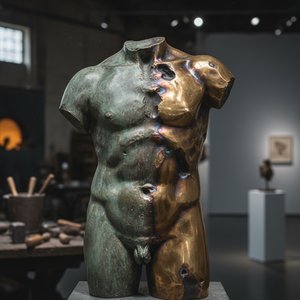
The Enduring Legacy of Bronze Sculpture: History, Techniques & Contemporary Interpretations
Explore the rich history & enduring appeal of bronze sculpture. Learn about casting techniques, iconic artists, collecting tips, & contemporary interpretations. Expert insights for discerning art collectors.

Bronze Age to Modern Masters: 10 Sculptures That Redefined Art | OriginalUniqueArt
Journey through art history with 10 legendary bronze sculptures – from Michelangelo's David to Rodin’s Thinker. Explore the stories, techniques & timeless beauty of these masterpieces. Find museum-quality reproductions & elevate your home decor on OriginalUniqueArt.com.

The Enduring Form: Exploring Themes & Techniques in Sculpture Across Historical Periods
Explore the rich history of sculpture from ancient masterpieces to contemporary innovations. Discover key techniques, influential artists & investment potential for discerning art collectors.

