Preview
 Send
Send Share
Share
 Details
 Guide
Guide

 Download
 Similars
 X-Ray
X-Ray Diaporama
 Q&A
Q&A Stats
StatsEnglish Mountain View

- 45.0 x 69.0 cm


 Read More
Giclée / Art Print
Museum-quality giclée or canvas print with fast production and flexible finish options. ( Buy Hand Made Painting Switch to Digital Image)




P118B $10

P118H $10

P118W $10

P438Z $10

P508JH $12

P508YH $12

P805H $10

P805Z $10

P919BZ $10

P919G $10

P919XJ $10

P959ZH $10

P968JZ $12

W106C $8

W218G $10

W218JH $8

W218Y $10

W307PJ $10

W316G $10

W316PJ $8

W316Y $10

W398PJ $8

W4111J $10

W500HY $15

W500JH $15

W692G $12

W849H $8

W940BG $15

W953PJ $8




Pick from our preset sizes that match the artwork's original proportions.

Type the width and the height you need, to fit your frame or your wall. A print can only be cut, never made bigger than the picture, so a size with a different shape loses a part of the image. We send you a digital mockup to approve before we print anything. The picture shown on this page does not show the real cut — only the mockup does.
Worldwide Delivery () in 2 weeks instead of standard 4/5 weeks. (31 October)

Free Worldwide Express Shipping

High-Quality Linen Canvas

Full Shipping Insurance

Customs Tax Refund Guarantee

True Color Matching Guarantee

100-Day Return Policy (Defects Only)

100% Money-Back Guarantee

Bulk Discount Offer
 Glass option is only available in size under 110 CM

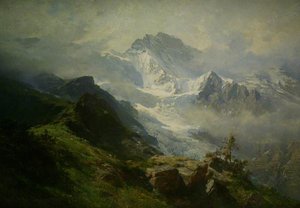
English Mountain View
Giclée / Art Print
Reproduction Size
-


Total Price
$ 81
A Pastoral Vision: Edward Theodore Compton’s ‘English Mountain View’
Edward Theodore Compton's “English Mountain View,” painted in 1878, is more than just a depiction of a picturesque landscape; it’s a carefully constructed evocation of tranquility and a testament to the burgeoning trend of plein air painting within the British art scene. Measuring 45 x 69 cm, this watercolor offers a serene glimpse into a world where nature reigns supreme, inviting contemplation and a sense of harmonious connection between humanity and the natural world.
- Subject Matter: The artwork centers on a classic pastoral subject – a mountainous valley teeming with grazing horses. This was a popular motif in Victorian art, reflecting a romanticized view of rural life and an appreciation for the beauty of the English countryside.
- Composition: Compton masterfully employs atmospheric perspective, receding planes, and carefully placed figures to create depth within the scene. The horses, strategically positioned throughout the composition, draw the viewer’s eye into the distance, emphasizing the vastness and grandeur of the landscape.
The Artist's Journey & Alpine Influence
Edward Theodore Compton’s artistic trajectory is as fascinating as the landscapes he depicted. Born in 1849, his early life was shaped by Quaker values – a commitment to simplicity and moral integrity – which undoubtedly informed his artistic sensibilities. However, it was his sojourn to Darmstadt, Germany, in 1867, that truly cemented his artistic identity. Under the patronage of Grand Duke Ludwig III, Compton immersed himself in the vibrant artistic community surrounding Darmstadt, developing a profound fascination with alpine scenery. This experience dramatically influenced his style, leading him to master the delicate techniques required to capture the ethereal qualities of light and shadow on snow-capped peaks and verdant valleys.
Technique & Style: A Masterful Watercolor
Compton’s skill as a watercolorist is immediately apparent in “English Mountain View.” He employs a loose, expressive brushstroke, layering washes of color to create a luminous effect. The subtle gradations of tone – from the cool blues and greens of the distant mountains to the warmer browns and ochres of the foreground – contribute significantly to the painting’s atmospheric depth. His meticulous attention to detail is evident in the rendering of the horses' coats, their muscular forms conveying both power and grace. This piece exemplifies Compton’s pioneering role as a ‘Pioneer of Alpine Watercolor,’ showcasing his ability to translate the dramatic effects of alpine light onto paper.
Symbolism & Emotional Impact
Beyond its aesthetic beauty, “English Mountain View” carries symbolic weight. The horses, traditionally associated with nobility and freedom, represent an idealized vision of rural life – a return to simpler values and a connection to the land. The solitary figure observing the animals adds another layer of meaning, suggesting a contemplative spirit seeking solace in nature’s embrace. The overall effect is profoundly calming, inviting viewers to escape the pressures of urban existence and reconnect with the restorative power of the natural world. This artwork evokes feelings of peace, serenity, and a deep appreciation for the beauty of the English countryside.
Questions & Answers
How do emotion and gift occasion combine for "English Mountain View" by Edward Theodore Compton?
"English Mountain View" carries a tranquil feeling, and its recorded gift recommendation is wedding.
What kind of piece is "English Mountain View"?
"English Mountain View" by Edward Theodore Compton is classified as wall art. The category describes the kind of artwork the original is.
Can I preview "English Mountain View" by Edward Theodore Compton before ordering?
A preview of "English Mountain View" by Edward Theodore Compton is available on the artwork's Preview page.
Artist Biography
Edward Theodore Compton: Pioneer of Alpine Watercolor
Edward Theodore Compton, a singular figure in the artistic landscape of late 19th and early 20th century Europe, stands as an extraordinary testament to the intersection of art and adventure. Born in Stoke Newington, London, in 1849, Compton’s upbringing within a Quaker household instilled a profound appreciation for simplicity and moral integrity—values that would undoubtedly shape his artistic vision. Despite attending various art schools including the Royal Academy, he largely pursued self-education, honing his skills through meticulous observation and tireless experimentation. His journey to Darmstadt, Germany, in 1867, marked a pivotal moment, propelling him into a vibrant artistic community led by Grand Duke Ludwig III and fostering an enduring fascination with alpine scenery.- Early Influences: Compton’s formative years were steeped in Quaker spirituality and nurtured by his father's passion for art, exposing him to influential Impressionist painters like Claude Monet and Pierre-Auguste Renoir.
- Academic Training & Darmstadt: Although he didn’t formally graduate from the Royal Academy, Compton benefited greatly from studying alongside Alice, Princess of Hesse, gaining invaluable experience in artistic technique and fostering connections within a burgeoning artistic milieu.
The Alpine Obsession: From Sketches to Masterpieces
A transformative trip to the Bernese Oberland in 1868 ignited Compton’s lifelong devotion to capturing the majesty of the Alps, particularly the iconic trio – Eiger, Mönch and Jungfrau. The breathtaking panorama captivated him, inspiring a series of watercolor paintings that would become synonymous with alpine art. His meticulous sketches documented the rugged terrain and dramatic lighting conditions, demonstrating an unwavering commitment to accuracy alongside artistic sensitivity. This experience cemented his belief in the power of observation as the cornerstone of artistic creation.- Technique: Compton’s distinctive style involved layering thin washes of watercolor pigment onto paper, achieving luminous effects that conveyed the ethereal beauty of mountain landscapes.
- Notable Works: Among his most celebrated paintings are “Deutsch Im Wald von Valdoniello” and “Deutsch Grohmannspitze und (rechts) Fünffingerspitzen,” which exemplify his masterful rendering of alpine vistas.
A Mountaineer’s Eye: Beyond the Canvas
Compton wasn't merely a painter; he was an intrepid mountaineer who ascended over 300 peaks, including 27 first ascents—a remarkable feat that solidified his reputation as one of Britain’s foremost climbers. His expeditions to Austria, Scandinavia, North Africa, Corsica and Spain yielded invaluable visual material for his artwork, informing his compositions with firsthand experience of mountain environments. The photograph “Deutsch Allalin , Strahl und Rimpfischhorn von der Ostflanke des Alphubel” showcases Compton's dedication to topographical accuracy combined with artistic vision.- Impact on Art: Compton’s mountaineering exploits profoundly influenced his art, imbuing his paintings with a sense of dynamism and conveying the challenges faced by climbers in confronting formidable terrain.
- Legacy: Compton's contribution to alpine art is undeniable; he elevated watercolor painting to new heights, establishing it as the medium of choice for depicting mountainous landscapes with unparalleled beauty and realism.
Villa Compton & Continued Artistic Exploration
Settling in Feldafing on Lake Starnberg in 1874, Compton established a tranquil home alongside his wife Auguste Plotz, fostering an environment conducive to artistic pursuits. He continued to travel extensively, documenting his impressions in watercolors and ink drawings—a testament to his unwavering curiosity and artistic impulse. His work reflects not only the grandeur of alpine scenery but also the subtle nuances of light and atmosphere, demonstrating Compton’s mastery of Impressionist techniques.- Later Career: Compton's artistic output remained prolific throughout his life, showcasing a remarkable adaptability to diverse subjects and mediums.
- Historical Significance: Compton’s legacy extends beyond his artistic achievements; he embodies the spirit of exploration and creativity—a figure who seamlessly blended passion for art with daring adventure.
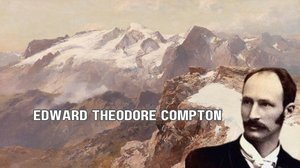
Edward Theodore Compton
1849 - 1921
Quick Facts
- Full Name: Edward Theodore Compton
- Nationality: English
- Date Of Birth: 1849
- Date Of Death: 1921
- Place Of Birth: Stoke Newington, London
- Notable Artworks:
- Deutsch Im Wald von Valdoniello
- Deutsch Grohmannspitze und (rechts) Fünffingerspitzen
- Artistic Movement Or Style: Alpine Art
- Artists Or Movements Influenced By This Artist: ['Impressionism']
Related Articles

Ephemeral Visions: Exploring the History & Emotional Resonance of Watercolor Painting
Explore the captivating history of watercolor painting, from ancient techniques to modern masters like Kandinsky & Blake. Discover essential artists, collecting tips & the emotional power of this luminous medium. Expert insights for art enthusiasts.

Watercolor Wonders: 10 Masterpieces That Redefined Art History | OriginalUniqueArt
Journey through 10 legendary watercolor masterpieces by Sargent, Turner & Homer! Explore iconic landscapes, portraits & floral art that redefined history. Find museum-quality reproductions and curated decor ideas at OriginalUniqueArt.com.

Ephemeral Visions: Exploring the Artistic Legacy & Contemporary Practice of Watercolor Painting
Explore the captivating world of watercolor painting! Discover its rich history, essential techniques, influential artists & collecting tips. A comprehensive guide for art enthusiasts from OriginalUniqueArt.

Ephemeral Visions: Exploring the Artistic Legacy & Nuances of Watercolor Painting
Explore the captivating world of watercolor painting! Discover its rich history, essential techniques, influential artists & collecting tips from art experts. A comprehensive guide for enthusiasts.

Liquid Gold: Master the Bold & Fluid Power of Watercolor Art
Unlock the bold energy of watercolor art. From historical masterpieces to custom photo-to-watercolor transformations, discover how to master the fluid power of light and pigment for your modern space. Expertly curated, high-impact art for the contemporary collector.